



Choosing the correct protective gear can feel like navigating a maze. ප්රසම්පාදන කළමනාකරුවෙකු හෝ සෞඛ්ය සේවා ගැනුම්කරුවෙකු ලෙස, ඔබ රෝගියාගේ ආරක්ෂාව සහ කාර්ය මණ්ඩල සෞඛ්යය ඔබේ අතේ තබා ගනී. You face endless boxes that look the same on the outside. But inside, the materials vary wildly. Some block tiny germs, while others only stop large droplets. In a busy hospital, having the correct supply chain matters. It stops outbreaks. It keeps nurses and doctors safe. It ensures your facility stays open and running smoothly.
This article will help you cut through the confusion. We will break down exactly what makes one item different from another. You will learn about testing standards, fluid barriers, and finding the perfect fit. Whether you are buying for a massive hospital network or a small dental clinic, you will know exactly what to look for. Let’s dive into the details that keep our frontline workers safe every single day.
What are the key differences between medical and non-medical masks?
When you buy supplies, you must separate professional gear from everyday items. ද key differences between medical විකල්ප සහ එදිනෙදා අයිතම පරීක්ෂණ සහ දැඩි නීති වලට පැමිණේ. A true medical mask undergoes intense laboratory testing. Factories must prove that these products block bacteria and fluids. They are heavily regulated. These items act as true වෛද්ය උපකරණ.
On the other hand, a non-medical mask is usually made of cloth or basic paper. සිල්ලර කඩවල මේවා අඳින අය ඔබ දකිනවා. Understanding the differences between medical and non-medical covers is vital for hospital buyers. රෙදි අනුවාදවල කුඩා අංශු අවහිර කිරීම සඳහා ප්රමිතිගත පරීක්ෂණ නොමැත. ඒ non-medical face covering simply acts as a basic barrier against large sneezes.
Comparing medical and non-medical masks shows a huge gap in safety. Hospitals cannot rely on basic cloth. මිලදී ගැනීමේදී වෛද්ය මුහුණු ආවරණ, ඔබ නිසි සහතික සඳහා කොටුව පරීක්ෂා කළ යුතුය. Everyday මුහුණු ආවරණ do not count as safe professional gear.
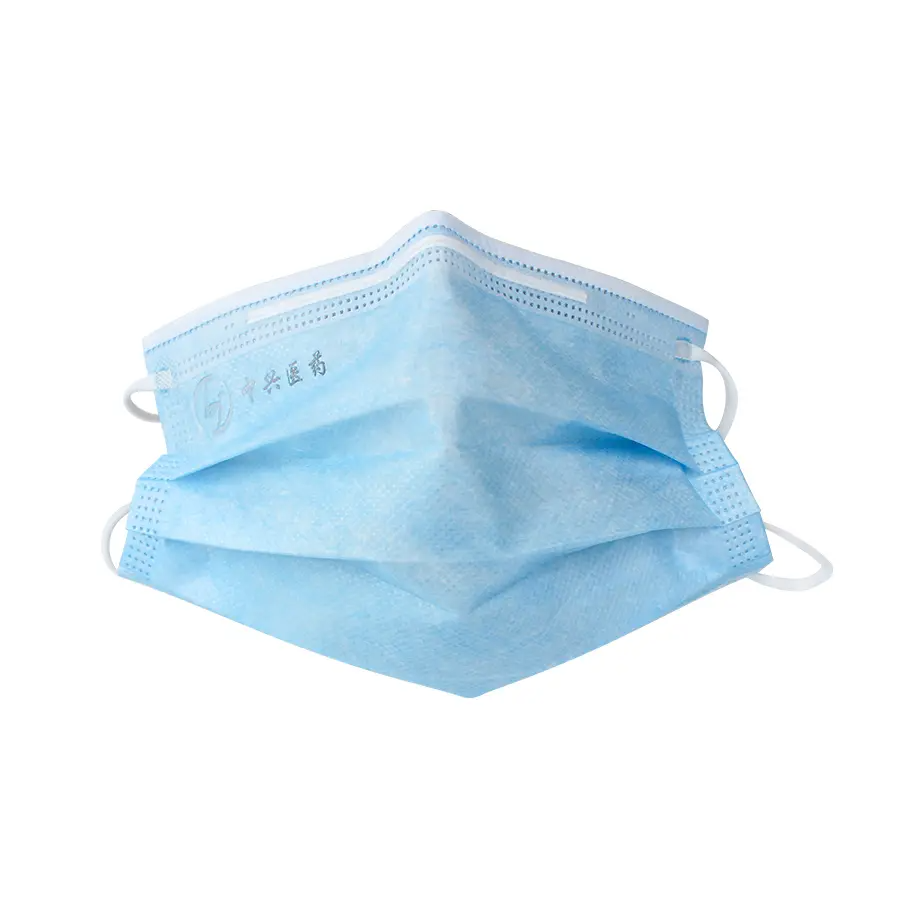
How does a surgical mask compare to an N95 respirator in health care settings?
Walking into a clinic, you will see two main types of gear. A standard ශල්ය වෙස් මුහුණ is very common. It fits loosely. It is designed mainly to protect the patient from the doctor’s breath or saliva. It provides good මූලාශ්ර පාලනය. However, it does not seal tightly against the skin. Air can easily slip in through the sides.
ඇන් N95 ශ්වාසකය is completely different. It fits tightly. It forms to the පළඳින්නාගේ මුහුණ. This tight seal means all the air goes through the filter material, not around it. එය නිර්මාණය කර ඇත්තේ එය පැළඳ සිටින පුද්ගලයා වාතයෙන් පිටවන විෂබීජ වලින් ආරක්ෂා කිරීම සඳහා ය. Used widely in සෞඛ්ය ආරක්ෂණ සැකසුම්, අධික ලෙස බෝවන රෝග සඳහා ප්රතිකාර කිරීම සඳහා N95 ඉතා වැදගත් වේ.
අතර surgical masks also තරල අවහිර කරයි, ඒවාට වාතයේ වෛරස් මෙන්ම N95 නැවැත්විය නොහැක. Both are ඉවත දැමිය හැකි. But they serve different main goals. One protects the patient, and the other protects the staff member.
ක්රියා පටිපාටි වෙස් මුහුණු ශල්ය සහ ක්රියා පටිපාටි ආවරණ වර්ග වලින් වෙනස් වන්නේ කෙසේද?
It is easy to get confused by the names. Surgical and procedural masks are both common in clinics. But they have distinct features. ඒ procedure mask typically uses ear loops. You hook them quickly behind your ears. This makes them fast to put on and take off. ඉක්මන් පරීක්ෂා කිරීම් හෝ පිළිගැනීමේ මේසයක වාඩි වීම සඳහා ඔවුන් විශිෂ්ටයි.
A true surgical version uses ties. You tie two strings behind your head and two behind your neck. This creates a slightly better fit. බොහෝ like surgical masks, මේවා ලිහිල් ය, නමුත් බැඳීම් දිගු මෙහෙයුමකදී ඒවා ලිස්සා යාමෙන් වළක්වයි.
When you look at procedural masks, think about speed and comfort. For a fast exam, ear loops win. For a three-hour surgery, ties win. Both mask types protect against a splash or spray of bodily fluids. You can find high-quality වෛද්ය ශල්ය මුහුණු ආවරණ options that offer secure ties for operating rooms.
විවිධ වෙස් මුහුණු වර්ග සඳහා වෛද්ය එදිරිව වෛද්ය නොවන වෙස් මුහුණු පෙරීමේ කාර්යක්ෂමතාවය කුමක්ද?
Testing labs measure how well a material traps particles. මෙය හැඳින්වේ පෙරීමේ කාර්යක්ෂමතාව. We look at two main scores. The first is bacterial filtration efficiency. We call this BFE for short. එය ද්රව්යය බැක්ටීරියාව නතර කරන ආකාරය මැන බලයි. The second is අංශු පෙරීමේ කාර්යක්ෂමතාව. We call this PFE. එය කුඩා, අජීවී අංශු කොතරම් හොඳින් නතර කරනවාද යන්න මනිනු ලබයි.
ද medical vs everyday cloth debate ends here. වෘත්තීය අයිතමයක් පරීක්ෂණ දෙකෙන්ම ඉතා ඉහළ ලකුණු ලබා ගත යුතුය. Usually, they must hit 95% or 98% on BFE සහ PFE. A basic cloth item might only score 20% or 30%.
මේවා different levels of particle trapping mean everything. Good mask performance saves lives. ද්රව්යයට විෂබීජ හසුකරගත නොහැකි නම්, විෂබීජ පෙණහලුවලට ඇතුල් වේ. කොන්ත්රාත්තුවක් අත්සන් කිරීමට පෙර රෝහල් තම සැපයුම්කරුවන්ගෙන් සහතික කළ අංක ඉල්ලා සිටින්නේ එබැවිනි.
How do ASTM standards define mask features and fluid resistance?
එක්සත් ජනපදයේ, විශේෂ කණ්ඩායමක් පරීක්ෂණ නීති නිර්මාණය කරයි. ද American Society for Testing and Materials built these guidelines. People usually just call it ASTM. They created a clear system. An ASTM mask gives buyers peace of mind. They know exactly what they are getting.
The rules look at several mask features. They test for flame spread. ඔබට ද්රව්ය හරහා හුස්ම ගැනීම කොතරම් පහසුවෙන් කළ හැකිද යන්න ඔවුන් පරීක්ෂා කරයි. But most importantly, they test fluid resistance. වෛද්යවරයකුට ලේ වැගිරෙන්නේ නම්, එම රුධිරය ඔවුන්ගේ සමට කාන්දු විය නොහැක.
When a factory claims their product meets these rules, they must show proof. ද ASTM guidelines ensure consistency. Whether you buy from a factory in Europe or a certified maker in Asia, the standard remains the same.
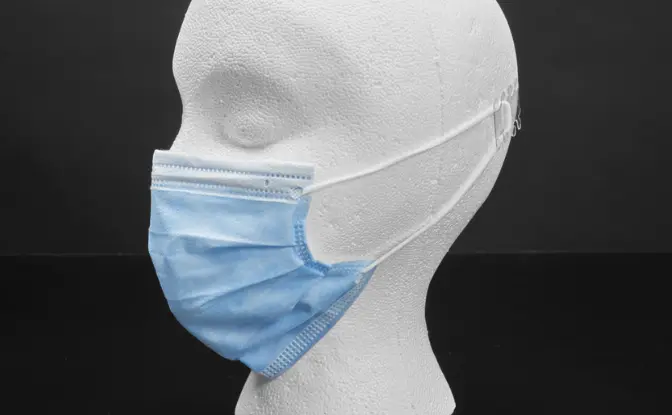
What distinguishes ASTM level 1, level 2, and level 3 masks?
The standards are broken down into three tiers. These give different levels of protection overall.
First, we have ASTM level 1. These are for low-risk situations. Basic care needs level 1 masks. They have basic fluid blocking power and decent particle trapping.
Next, we step up to level 2. Moderate care needs level 2 masks. They offer a higher barrier against fluids. ලේ ඇඳීම වැනි සැහැල්ලු ස්ප්ලෑෂ් සිදු විය හැකි කාර්යයන් සඳහා ඒවා විශිෂ්ටයි.
Finally, we reach the top tier. ASTM level 3 offers maximum protection. Heavy fluid needs level 3 surgical masks. They block high-pressure sprays. Using ASTM level 3 masks ධමනි හෝ විශාල කම්පනය සම්බන්ධ දැඩි ශල්යකර්ම සඳහා ඥානවන්ත වේ. For heavy-duty needs, a කන් ආවරණය සහිත ඉවත දැමිය හැකි 3Ply වෛද්ය මුහුණු ආවරණ වඳ that meets these strict rules is essential.
| Standard Level | Fluid Resistance Level | හොඳම භාවිත අවස්ථාව |
|---|---|---|
| 1 මට්ටම | Low (80 mm Hg) | Standard exams, waiting rooms |
| 2 මට්ටම | Moderate (120 mm Hg) | Lab work, minor procedures |
| 3 වන මට්ටම | High (160 mm Hg) | Major surgery, trauma centers |
Why is an N95 respirator essential for airborne respiratory protection?
Sometimes, fluid blocking is not the main goal. When treating diseases like tuberculosis, the danger is in the air. You need true ශ්වසන ආරක්ෂාව. මේ තියෙන්නේ ශ්වසන යන්ත්රය shines. It is built to filter out 95% of airborne particles.
Approved by the වෘත්තීය ආරක්ෂාව පිළිබඳ ජාතික ආයතනය (NIOSH), these devices are tough. ද පෙරීම material is thick and highly engineered. The material පෙරීම වාතයේ පාවෙන කුඩා විෂබීජ ග්රහණය කර ගැනීමට විද්යුත් ස්ථිතික ආරෝපණයක් මත රඳා පවතී.
Because the air is pulled through the thick filter, it can make breathing difficult for staff after a long shift. But their ability to protect is proven. They are a crucial piece of පුද්ගලික ආරක්ෂක උපකරණ. You can view our highly rated FFP2 මාස්ක් 5 ප්ලයි for strong airborne defense options.
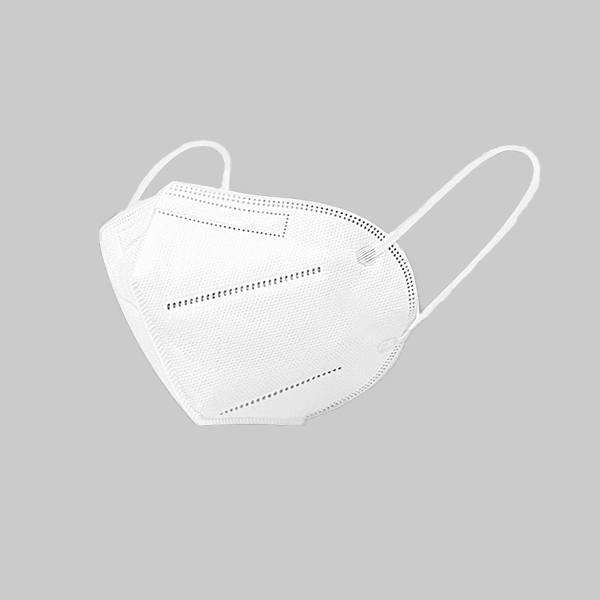
When must healthcare workers use surgical N95 respirators during aerosol-generating procedures?
ඇතැම් වෛද්ය ක්රියා වාතයේ සිහින් මීදුමක් ඇති කරයි. රෝගියෙකුගේ උගුරට හුස්ම ගැනීමේ නලයක් තැබීම එක් උදාහරණයකි. This fine mist is called an aerosol. These tiny drops hang in the air for hours. Regular gear cannot stop an aerosol threat.
You must use respirators during aerosol-generating procedures always. ද Centers for Disease Control (CDC) mandates this. Actually, the complete name is the Centers for Disease Control and Prevention. They state that staff must wear ශල්ය N95 ශ්වසන යන්ත්ර.
What makes a "surgical" N95 special? It combines two things. එය N95 එකක තදින් ගැලපීම සහ අංශු උගුලක් ඇත. නමුත් එය 3 මට්ටමේ අයිතමයක අධික තරල අවහිර කිරීම ද ඇත. එය වඩාත් භයානක රෝහල් කාර්යයන් සඳහා වන අවසාන පලිහ වේ.
What role does fit testing play in ensuring a close facial fit?
වටේට වාතය ගියොත් ලොකු ෆිල්ටරයක් වැඩක් නෑ. Air escapes from the වෙස් මුහුණේ දාර if it is loose. Therefore, සුදුසු පරීක්ෂාව is a strict requirement. ද Occupational Safety and Health Administration mandates this for all staff wearing tight gear.
During a fit test, a worker puts on the gear. පරීක්ෂකයෙක් කටුක හෝ මිහිරි මීදුම වාතයට ඉසිනවා. If the worker tastes it, the seal is broken. The gear must seal tightly around the nose and mouth. It must pinch down firmly around the nose.
A සමීප මුහුණේ ගැලපීම blocks air leaks. Staff must pass this test once a year. ඔවුන් බර අඩු වුවහොත් හෝ රැවුල වැවුවහොත්, ඔවුන් නැවත පරීක්ෂා කළ යුතුය. රැවුල සමෙන් දාර තල්ලු කරයි, මුද්රාව විනාශ කරයි.
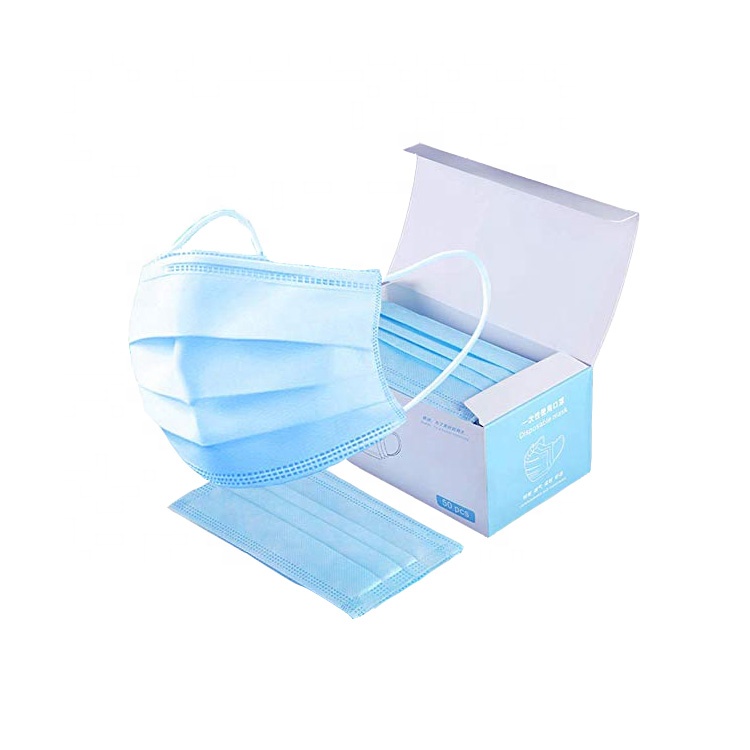
How do you decide which mask offers the right level of protection for the task at hand?
Procurement managers face tough choices daily. You must decide which mask works best for each hospital wing. You must match it to the task at hand. You cannot give everyone an N95. එය මිල අධික වන අතර මූලික මේස වැඩ සඳහා අපහසු වේ.
For a receptionist, a simple level 1 loop style is perfect. It provides basic මූලාශ්ර පාලනය. For an emergency room nurse, a level 3 is better. They might encounter blood suddenly. ක්ෂය රෝග වාට්ටුවකට ඇතුළු වන වෛද්යවරයකු සඳහා, තද ඇඳුමක් පමණි ශ්වසන device will do.
Picking the දකුණු වෙස් මුහුණ is a huge choice. You have to balance budget, comfort, and safety. ඔබට පුළුල් පරාසයක විශ්වාසදායක විකල්ප ගවේෂණය කළ හැකිය ෂාඕහු ඉවත දැමිය හැකි වෛද්ය මුහුණු ආවරණ උසස් තත්ත්වයෙන්, to stock every department properly.
What are the best practices for storing and replacing a used mask in high-risk zones?
Even the best gear fails if handled wrong. These are the best practices to follow. First, never touch the front of a භාවිතා කළ මාස්ක්. The front is dirty. Always remove it by the ear loops or ties.
Knowing when masks should be changed keeps you safe. It must be changed between patients. කාමරයෙන් කාමරයට එකම ඉවත දැමිය හැකි භාණ්ඩයක් අඳින්න එපා. You could spread germs. ද්රව්යය ඔබේ හුස්මෙන් හෝ දහඩියෙන් තෙත් නම්, එය වෙනස් කරන්න. Wet material loses its පෙරීම power.
අපිරිසිදු ආම්පන්න නිසි ජෛව උපද්රව බඳුනට විසි කරන්න. Proper වෘත්තීය ආරක්ෂාව සහ සෞඛ්යය ඕනෑම දෙයක් ඉවත් කළ වහාම ඔබේ අත් සේදිය යුතු බව නීති රීති පවසයි PPE. Good ආරක්ෂක උපකරණ පුරුදු විවේක කාමරය තුළ ආසාදන පැතිරීම වළක්වයි.
පසු කාලය: ජූනි-30-2026