

Welcome to the comprehensive guide on modern medical consumables. Selecting the right supplies for your healthcare facility goes far beyond simply checking a box on an order form. The tools you choose directly impact patient comfort, recovery speeds, and the overall efficiency of your medical staff. A simple switch in the materials you purchase can reduce cross-contamination, streamline inventory management, and protect your bottom line. This article is definitely worth reading because it breaks down exactly why shifting from older materials to advanced options can transform daily care routines. We will explore the critical differences between these essential items and show you how to make the best purchasing decisions for your hospital or clinic.
What exactly is a non-woven swab and how is it manufactured?
If you walk into any modern clinic today, you will likely spot a non-woven swab sitting on the supply tray. But what makes it so special? Unlike older materials that rely on weaving threads together, manufacturers create these modern items through a highly advanced pressing process. They take tiny fibers and bond them together using heat, chemicals, or mechanical pressure. The result is a smooth, flat sheet of material that holds together tightly.
Because of this unique manufacturing process, the final product feels incredibly soft to the touch. These items are typically made from synthetic blends, such as rayon and polyester. Sometimes manufacturers blend in a little natural fiber for extra softness. This blended construction creates a tight web that stops loose threads from pulling away.
For hospital buyers and procurement managers, understanding this structure is very important. You need supplies that perform consistently. A non-woven swab delivers that consistency every single time. It holds its shape perfectly, whether dry or soaked in cleaning fluids.
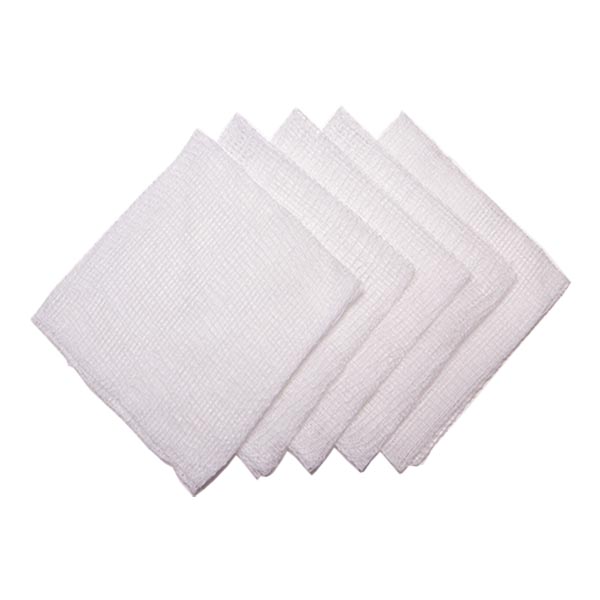
Why pick a non-woven swab instead of traditional woven gauze?
The debate between modern pressed materials and traditional woven gauze is very common in the medical world. For decades, hospitals relied entirely on woven cotton. It was the standard. However, the medical field moves fast, and better options now exist. The primary reason healthcare professionals prefer modern pressed options is lint. Woven threads tend to fray. When you cut them or rub them against a surface, tiny threads break off.
If these tiny threads fall into an open injury, they can cause serious problems. The body sees the lint as a foreign object, which increases the risk of complications. Healing slows down. On the other hand, a pressed non-woven swab produces almost zero lint. The bonded fibers stay exactly where they belong.
Furthermore, making the switch usually serves as a highly cost-effective alternative for large hospitals. You get better performance, fewer loose threads, and often a better price point when buying in bulk. When you manage a tight budget, getting top-tier quality for a reasonable price is a huge victory.
When is it absolutely essential to use sterile non-woven materials?
Sterility is the golden rule of medicine. You cannot compromise on it. A sterile environment prevents bad bacteria from causing harm. You must choose sterile non-woven items anytime you are dealing with broken skin or internal procedures. If a nurse is changing a dressing over a fresh surgical incision, the supplies must be perfectly clean.
Using non-sterile supplies in these situations invites trouble. It can introduce outside pathogens straight into the bloodstream. This leads to a dangerous infection that requires more medicine, longer hospital stays, and causes distress to the patient. Procurement teams must ensure their supply chains never run out of verified, properly sealed sterile supplies.
However, not every task requires complete sterility. If a staff member is just wiping down a metal tray or padding a closed bruise, standard clean supplies work just fine. Knowing when to use the right level of cleanliness helps hospitals save money while keeping patients perfectly safe. You can check out reliable Sterile absorbent gauze pad options to ensure you always have safe, compliant materials on hand.
How does the absorbency of non-woven compare to regular cotton gauze?
When fluids are present, you need a material that drinks them up fast. The absorbency of a medical pad is one of its most important features. You might think that traditional cotton holds the most liquid. That used to be true. But modern engineering has changed the game completely.
Pressed synthetic blends actually hold fluids incredibly well. Because the fiber network is so dense, it traps moisture inside small microscopic pockets. A high-quality non-woven swab can often absorb more liquid relative to its weight than older woven styles. It pulls moisture away from the surface quickly, keeping the area dry.
If a patient has a weeping injury that produces heavy exudate, keeping that moisture controlled is critical. If the fluid sits on the skin too long, the skin breaks down. Traditional cotton gauze can sometimes become heavy and soggy, releasing fluid back onto the skin if pressed. Modern synthetic options hold onto the fluid much better, making them a superior choice for heavy fluid management.
Can a non-woven swab be used to clean delicate skin effectively?
Absolutely. In fact, many pediatricians and dermatologists specifically request these materials for sensitive skin. Older woven styles have a rough, textured surface. When you rub them against delicate tissue, they act like mild sandpaper. This friction can cause micro-tears on fragile skin, especially on elderly patients or newborn babies.
Because a non-woven swab has a flat, smooth surface, it glides over the skin effortlessly. Nurses frequently rely on it when they need to apply soothing ointments or wipe away gentle antiseptics. It is widely used to clean areas around the eyes or to prep the skin before an injection.
You do not want to agitate an area that is already inflamed. By choosing a softer product, you provide a much better experience for the patient. Comfort matters just as much as clinical effectiveness. When the patient feels comfortable, they trust their healthcare provider more.
What sizes are available to suit different medical needs?
One size definitely does not fit all in medicine. Hospitals require a massive variety of sizes to handle different daily tasks. A tiny scratch on a finger needs a very different approach than a large abdominal incision. Manufacturers design these items in multiple dimensions to cover every possible scenario.
When ordering supplies, buyers notice that common sizes include 2×2 inches, 3×3 inches, and 4×4 inches. The smaller 2×2 pads are perfect for quick blood draws or small injections. The medium 3×3 pads work wonderfully for standard outpatient care. The larger 4×4 sizes are the heavy lifters, used for major fluid absorption or covering larger areas.
To suit different medical requirements, these pads also come in different thicknesses, usually measured in "plies." A 4-ply pad is thin and flexible, while an 8-ply pad offers heavy cushioning. Having a full spectrum of sizes in your supply room ensures that your medical staff never has to improvise or waste larger pads on tiny jobs.
| Pad Size | Ply Thickness | Best Use Case |
|---|---|---|
| 2" x 2" | 4-ply | Injections, small cuts, IV prep |
| 3" x 3" | 4-ply / 8-ply | General outpatient care, moderate scrapes |
| 4" x 4" | 8-ply | Heavy fluid absorption, larger coverage |
How does a non-woven swab suit different types of medical applications?
The true beauty of a non-woven swab is its amazing versatility. It is not just a one-trick pony. You will find them everywhere, from high-speed dental clinics to busy emergency rooms and quiet veterinary offices. Their unique blend of strength, softness, and fluid control makes them useful in almost every department.
In a dental office, dentists use them to pack spaces and absorb saliva without leaving annoying threads behind in the patient’s mouth. In first aid kits, they serve as excellent primary covers for sudden injuries. For long-term wound care, they act as brilliant secondary layers that protect the primary healing gel underneath.
Because they adapt so well, procurement managers love them. Instead of buying ten different specialized pads, a buyer can order bulk quantities of a high-quality non-woven product and satisfy multiple departments at once. If you need a reliable option for daily use, exploring a Disposable gauze swab is a smart place to start.
What role does a non-woven swab play during a surgical procedure?
The operating room is the ultimate test for any medical supply. The stakes are incredibly high, and there is zero room for error. During a surgical procedure, the team needs tools that perform flawlessly. A surgeon must maintain a clear view of the operating field at all times. Blood and bodily fluids can quickly obscure their vision.
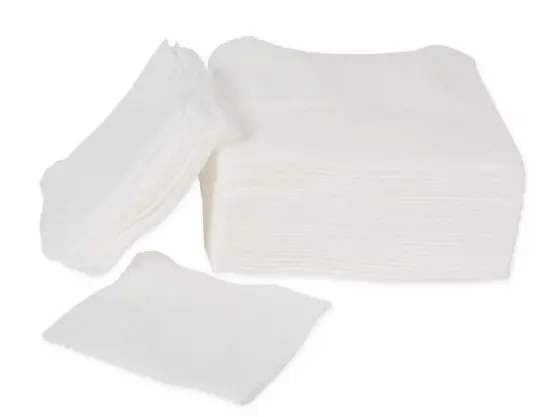
The surgical team uses a sterile non-woven swab to constantly dab and dry the area. Because the material is so absorbent, it quickly pulls fluids away, giving the surgeon a clear line of sight. And again, the lack of lint is crucial here. Leaving a stray thread inside a body cavity is a major hazard. The pressed synthetic design eliminates this worry entirely.
"In the operating theater, the reliability of our consumables is just as important as the sharpness of our scalpels. We demand materials that absorb quickly and leave nothing behind." – Global Health Surgical Standards Review (For more on surgical safety standards, visit the World Health Organization).
Furthermore, these pads are sturdy. They do not fall apart when soaked in blood or heavy antiseptics. They hold their structural integrity, allowing nurses to clamp them with forceps and pass them safely to the surgeon.
Is a non-woven swab safe for oral and throat examinations?
Treating issues inside the mouth and throat requires special care. The tissues lining the mouth are highly sensitive and easily irritated. Furthermore, the gag reflex makes working in the throat quite tricky. You need a tool that is smooth, fast, and completely secure.
A non-woven swab is perfectly safe for oral use. Dentists and doctors frequently use them to absorb saliva, apply topical numbing gels, or clean up after minor oral surgeries. Because they do not fray, there is no danger of the patient choking on loose threads. You can even use them to gently wipe the inside of the cheek or the back of the throat without causing the patient unnecessary discomfort.
If you are managing supplies for an ENT (Ear, Nose, and Throat) clinic or a dental group, stocking up on these smooth materials is a must. They are far superior to older rough cotton options that can stick to dry oral tissues. For targeted applications, you might also consider complementary products like high-quality cotton swabs to round out your inventory.
How should you properly store and handle this essential product?
Buying great supplies is only half the battle. You must also store them correctly to maintain their quality and safety. If you mishandle a sterile product, it becomes useless. Proper storage protocols are a critical part of hospital inventory management.
First, always keep these supplies in a clean, dry, and climate-controlled room. High humidity can damage the packaging and compromise the sterile seal. Extreme heat can also degrade the synthetic fibers over time. Keep the boxes off the floor and away from direct sunlight.
Second, always check the packaging before use. If the paper or plastic peel-pouch is torn, wet, or looks wrinkled, throw it away. Do not risk using a contaminated item on a patient. Healthcare workers must wash their hands thoroughly or put on fresh gloves before opening the package. By following strict storage and handling rules, you guarantee that every item performs exactly as intended. Secure wrapping using items like a Medical Cotton Gauze Bandage Roll can further protect dressed areas after the swab is applied.
The Most Important Things to Remember
- Manufacturing difference: A non-woven swab is pressed together from synthetic materials, whereas traditional options are loosely woven.
- Zero lint advantage: The lack of loose threads dramatically reduces the risk of post-treatment complications and tissue irritation.
- High liquid control: These modern blends offer incredible absorbency, managing heavy fluids much better than older styles.
- Gentle on tissue: The smooth surface is perfect for delicate skin, making it a favorite for pediatric and facial care.
- Absolute safety first: Always insist on verified, sterile packaging when dealing with open injuries or surgical environments.
- Smart budgeting: Switching to these advanced pressed materials offers a highly cost-effective alternative for bulk procurement without sacrificing quality.
Post time: Apr-23-2026