



When a person cannot clear their own airway, a simple piece of medical plastic becomes a vital lifeline. This article explores how a suction device removes harmful fluids from the body, ensuring that every patient can breathe safely. It is highly worth reading because understanding the quality, purpose, and proper application of these tools not only saves lives but also helps procurement managers make smart, compliant, and risk-free purchasing decisions for their hospitals.
Whether you buy supplies for a massive medical network or manage a small clinic, knowing the facts about respiratory tools will streamline your supply chain and protect the people who rely on you the most.
What is a medical suction tube and why is its use vital?
A suction tube is a hollow plastic line used to pull liquids out of the body. In a hospital, doctors and nurses rely on this tool every single day. They use it during surgery. They use it in the recovery room. When a person is too weak to cough up fluid, the tube steps in to do the heavy lifting. It acts as a mechanical vacuum. This simple action stops dangerous blockages from forming.
You might wonder why we need such specific tools. The answer comes down to safety. A high-quality suction tube is made from medical-grade PVC. This material is strong but gentle. It will not collapse under pressure. When you buy in bulk, you need to know that every single item works perfectly right out of the package. A collapsed line can cause a major crisis.
For hospital buyers, securing reliable supplies is critical. You cannot afford a stockout of these items. If a hospital runs out, surgeries stop. Care halts. Therefore, sourcing from a manufacturer with strict CE and FDA compliance ensures that the supply chain remains steady. You get safe products, and the patient stays safe.
How does a suction catheter differ from a standard suction tube?
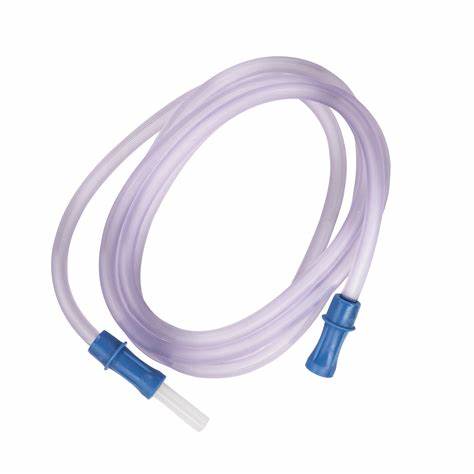
People often mix up these two terms. A suction catheter is actually a specialized type of suction tube. The main difference lies in its physical design. A standard connecting line is usually thicker and firmer. It bridges the gap between the wall vacuum and the hand tool. In contrast, a suction catheter is much more flexible. This allows it to bend and slide smoothly into delicate areas like the nose or mouth.
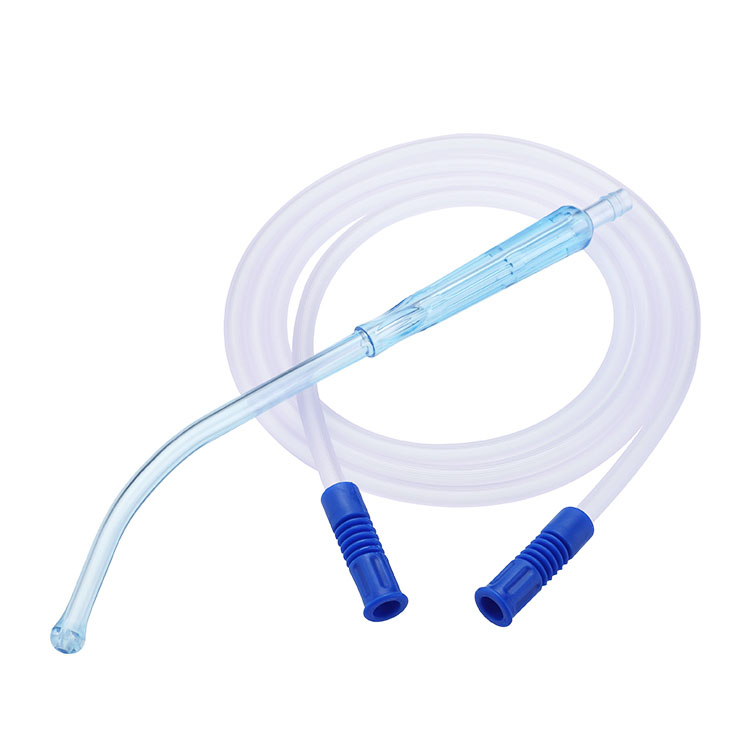
When doctors perform delicate procedures, they need a tool that flexes. A flexible line glides past tissue without causing harm. It reaches deep down into the airway. You will often see a nurse holding a Yankauer handle connected to the main line. The Yankauer is a rigid plastic tip. It targets the back of the mouth easily. You can explore a top-tier aspirasyon konekte tib to see how the rigid tip and the soft line work together perfectly.
| Patikilarite | Standard Tube | Katetè pou aspirasyon |
|---|---|---|
| Fleksibilite | Semi-rigid | Highly flexible |
| Purpose | Connects to the main vacuum | Enters the body directly |
| Materyo | Thick medical PVC | Soft, frosted PVC |
| Placement | Stays outside the body | Goes inside the airway |
Why is suctioning essential for maintaining respiratory health?
Good respiratory health means air flows freely in and out of the lung. When someone is sick, their body produces extra mucus. Sometimes, this sputum gets stuck. If the sputum stays trapped, bacteria grow quickly. This leads to severe infections like pneumonia. By suctioning the airway, caregivers remove this dangerous trap. They pull the thick mucus out so the person can breathe easily again.
To maintain healthy lungs, nurses perform this task regularly for those on ventilators. The machine breathes for them, but it cannot cough for them. A nurse steps in with a catheter. They slide it down, turn on the vacuum, and clear the path. It works incredibly fast. Within seconds, the oxygen levels in the blood begin to rise.
Quality matters here. If the plastic is rough, it scratches the delicate lining inside. A scratched lining bleeds and invites more infection. This is why procurement teams strictly demand ISO 13485 certified products. They know that smooth, polished eyelets on the catheter tip prevent unnecessary trauma. Quality manufacturing directly supports better lung health.
What are the key steps to use a suction machine safely?
Using a suction machine requires care and focus. First, the caregiver washes their hands and puts on protective gear. They might wear a sterile medikal mask figi chirijikal to block splashes. Next, they open the sterile packaging of the catheter. They must keep the tip completely clean. If it touches a bed or clothing, they throw it away and grab a new one.
Once ready, they attach the line to the collection canister. The fit must be tight. A loose connection leaks air and ruins the vacuum force. After connecting it, they turn on the machine. They check the pressure dial carefully. The doctor or nurse sets the exact pressure needed.
- Wash hands thoroughly.
- Put on a mask and gloves.
- Open the package carefully.
- Connect the line tightly.
- Test the vacuum pressure.
Safety always comes first. If the pressure is wrong, it can cause pain. Caregivers follow strict medical protocols to ensure every step protects the person lying in the bed.
How does clearing the throat prevent a patient from beginning to choke?
Imagine trying to swallow a large gulp of water, but it goes down the wrong pipe. You cough instantly. Now, imagine a patient who is too weak to cough. Fluid pools in the back of their mouth. If left alone, they will begin to choke. Caregivers clear the airway to prevent this terrifying event. By removing the excess liquid, they open the door for oxygen to flow.
Choking is a silent danger in many hospital wards. After a surgery, anesthesia makes the muscles sleepy. The body forgets how to swallow properly. Saliva builds up fast. A nurse uses the vacuum tool to sweep the area. They suck up the liquid before it drops down into the windpipe.
This simple action stops disaster. When you clear the airway, you eliminate the choke risk completely. It brings peace of mind to the family sitting by the bed. For the hospital buyer, knowing that their supply room is fully stocked with these critical tools means they are directly helping to save lives every single night.
Why are different tube designs needed for pediatric versus adult care?
Children are not just small adults. Their bodies are deeply fragile. A pediatric airway is narrow and soft. If a nurse uses an adult-sized tool on a child, it will cause severe pain and damage. This is why manufacturers design specific pediatric tools. These smaller tools are thinner, softer, and much more flexible. They navigate tiny airways safely.
To reduce harm, the suction catheter for a baby has special markings. These numbers tell the nurse exactly how deep the tip has gone. Going too deep hits the vocal cords. The goal is to clear the space without touching sensitive areas. Proper design prevents this problem entirely. It keeps the child safe and calm during a scary procedure.
"Selecting the right size is the first rule of pediatric care. A tool that is too big will only create more problems." – Medical Safety Protocol
When outfitting a children’s ward, buyers look for specialized gear. They also buy items like the pediatric respiratory products to ensure they cover all aspects of infant breathing support. Buying from a supplier that offers a wide range of sizes makes inventory management much easier.
In an emergency setting, how does suction save lives?
When the sirens wail and the ambulance doors fly open, time stops. In an emergency setting, doctors move at lightning speed. A trauma victim might have a blocked airway from blood or vomit. Before the doctor can pump oxygen, they must clear the path. The stakes are very high. They grab the suction tube instantly.
The machine roars to life. The nurse plunges the Yankauer tip into the mouth. In mere seconds, the thick liquid vanishes. The path is clear. Now, the doctor slides a breathing tube down the windpipe. Air flows. The heart monitors beep steadily again. Without that crucial vacuum tool, the oxygen would never reach the lungs.
Emergency teams cannot afford flimsy equipment. They need robust, sterile, and reliable gear. If a package rips during transit and the tool loses sterility, the team cannot use it. This highlights the absolute need for strong, secure packaging. Buyers demand excellence because a broken tool in an emergency costs a life.
How can proper technique reduce the risk of lung injury?
Even with the best tools, human error can happen. Suctioning is an invasive task. If you push the tip in too hard, it bruises the delicate tissue. If you leave the vacuum running too long, it steals oxygen away from the lung. Good technique is the ultimate shield against injury. Nurses train for hours to perfect this gentle dance.
They follow the "10-second rule." They never pull a vacuum for more than ten seconds at a time. They insert the line without any pressure. Then, they apply a small amount of suction only as they slowly pull it out. They twirl the line gently between their fingers. This sweeping motion catches everything without grabbing the soft tissue walls.
To further reduce the risk of trauma, hospitals use tools with rounded, smooth edges. Sharp edges cause bleeding. Smooth edges glide perfectly. When procurement managers audit factories, they check the mold quality. They want to ensure no plastic flashing is left on the tips. Good manufacturing directly translates to fewer patient injuries.
What types of fluid and secretion are typically removed?
The human body produces many liquids. During illness or surgery, these liquids end up in the wrong places. The most common secretion removed is mucus. When a cold or infection strikes, mucus grows thick and sticky. The vacuum pulls this stubborn slime away, leaving a clear airway behind.
Aside from mucus, nurses frequently remove saliva. A person in a coma cannot swallow their own saliva. It pools quietly. If it drips down, it causes choking. The vacuum sweeps it up neatly. In trauma cases, the tool pulls away blood or vomit. Blood can clot and block oxygen fast. Vomit carries stomach acid, which burns the lungs severely if inhaled.
- Thick Mucus: Clears out infection-causing blockages.
- Saliva: Prevents pooling and choking.
- Blood: Keeps the visual field clear during surgery.
- Vomit: Stops acid from burning delicate lung tissue.
By capturing these fluids quickly, caregivers protect the body from further harm. To keep the bed clean during this messy process, they often place dra kabann medikal under the person. This catches any stray drops and keeps the environment sanitary.
How to maintain and clean equipment using sterile water?
After the job is done, the equipment needs attention. If you leave thick fluids sitting inside the plastic, they dry like cement. A clogged line is useless. To maintain the system, the nurse must clear the tubing immediately. They do this using sterile water.
They dip the tip of the Yankauer or the soft catheter into a cup of sterile water. They turn the vacuum on. The water rushes up the line. It acts like a pressure washer, scrubbing the inside walls clean. The water pushes all the trapped debris into the collection canister. This simple flush ensures the line is completely open and ready for the next use.
Why use sterile water? Because tap water carries hidden bacteria. If you flush a medical tool with tap water, you leave germs behind. Those germs multiply. When you use the tool again, you push those germs directly into a sick person’s body. Strict medical hygiene rules forbid this. Quality care means using sterile products every single step of the way.
The Most Important Things to Remember
- Function: A suction tube is an essential vacuum line that removes fluid and keeps the airway completely open.
- Flexibility: A suction catheter is highly flexible, allowing it to safely enter delicate areas without causing tissue damage.
- Safety First: Proper technique, such as limiting the time the vacuum is on, protects the lung from severe trauma and injury.
- Target Fluids: Caregivers use these tools to remove dangerous sputum, saliva, blood, and vomit quickly.
- Emergency Ready: In life-or-death situations, clearing the throat prevents choking and paves the way for vital oxygen.
- Hygiene Matters: Always flush the equipment with sterile water to prevent bacterial growth and maintain perfect hospital hygiene.
- Quality Purchasing: Buying CE and FDA-compliant products in bulk ensures supply chain reliability and guarantees safe, sterile packaging.
Post time: Apr-09-2026