



ยินดีต้อนรับสู่โลกที่สวยงาม วุ่นวาย และมหัศจรรย์ของการเป็นแม่! ในขณะที่คุณใช้ชีวิตร่วมกับคุณ เด็กใหม่คุณจะพบกับผลิตภัณฑ์ใหม่ๆ มากมายที่ออกแบบมาเพื่อให้การเดินทางของคุณราบรื่นยิ่งขึ้น หนึ่งในไอเท็มที่สำคัญที่สุดสำหรับคุณแม่ที่ เลือกที่จะให้นมลูก คือ แผ่นพยาบาล. หากคุณสงสัยว่าสิ่งเหล่านี้คืออะไร ทำไมคุณถึงต้องการมัน หรือประเภทไหนที่เหมาะกับคุณ คุณมาถูกที่แล้ว ในฐานะผู้ผลิตวัสดุสิ้นเปลืองทางการแพทย์ ฉัน Allen ใช้เวลาหลายปีในการสร้างผลิตภัณฑ์ดูดซับและสุขอนามัยคุณภาพสูง แม้ว่าความเชี่ยวชาญของฉันจะกว้างขวาง แต่หลักการของความสะดวกสบาย สุขอนามัย และความน่าเชื่อถือนั้นเป็นสากล คู่มือนี้จะแบ่งปันทุกสิ่งที่คุณ จำเป็นต้องรู้เกี่ยวกับการพยาบาล แผ่นรองซับช่วยให้คุณรู้สึกสบาย มั่นใจ และแห้งสบายตลอดเส้นทางการให้นม
แผ่นซับน้ำนมคืออะไร และเหตุใดคุณแม่มือใหม่จึงต้องการมัน?
A แผ่นพยาบาลหรือที่เรียกว่าก แผ่นเต้านมเป็นแผ่นดูดซับขนาดเล็กที่คุณวางไว้ ภายในเสื้อชั้นในของคุณเพื่อจับ การรั่วไหลใดๆ นมแม่. สำหรับหลาย ๆ คน คุณแม่มือใหม่โดยเฉพาะใน สองสามวันแรก และหลายสัปดาห์หลังคลอด อาการรั่วไหลถือเป็นประสบการณ์ที่พบบ่อยมาก ขณะที่ร่างกายของคุณเรียนรู้ที่จะควบคุมมัน การจัดหาน้ำนม เพื่อให้ตรงกับความต้องการของทารก เป็นเรื่องปกติที่หน้าอกของคุณจะต้องตอบสนอง รั่วไหล นม สิ่งนี้สามารถเกิดขึ้นได้เมื่อคุณได้ยินลูกน้อยของคุณร้องไห้ เมื่อผ่านไประยะหนึ่งระหว่างการให้นม หรือแม้แต่เมื่อคุณให้นมลูกจาก เต้านมข้างหนึ่ง และอีกอันมีปฏิกิริยาสะท้อนกลับแบบ "ปล่อยลง"
การรั่วไหลที่ไม่คาดคิดเหล่านี้อาจไม่สะดวกและทำให้ชื้นและมองเห็นได้ คราบนม บนเสื้อผ้าของคุณ นี่คือที่ก แผ่นพยาบาล กลายเป็นเพื่อนที่ดีที่สุดของคุณ จุดประสงค์นั้นเรียบง่ายแต่สำคัญ: ถึง ดูดซับนมที่อาจรั่วไหล จากของคุณ เต้านมรักษาของคุณ หัวนม พื้นที่ของคุณ ชุดชั้นในและเสื้อผ้าของคุณ สะอาดและแห้ง. การใช้ก แผ่นเต้านม ทำให้คุณมั่นใจและ ความสงบของจิตใจช่วยให้คุณทำกิจกรรมได้ทั้งวันโดยไม่ต้องกังวลเรื่องจุดเปียกที่น่าเขินอาย มันเป็นเครื่องมือเล็กๆ แต่ทรงพลังที่จะช่วยให้คุณรู้สึกสบายใจมากขึ้นเมื่อคุณและลูกน้อยเริ่มคุ้นเคยกับการให้นมลูก
แผ่นพยาบาลประเภทต่างๆ มีอะไรบ้าง?
เมื่อคุณเริ่มช้อปปิ้งคุณจะพบสิ่งนั้น แผ่นพยาบาลก็มา ในความหลากหลายของ รูปร่างและขนาดวัสดุ และประเภท การทำความเข้าใจหมวดหมู่หลักๆ สามารถช่วยให้คุณค้นหาได้ เต้านมที่ดีที่สุด แผ่นรองสำหรับไลฟ์สไตล์และความต้องการของคุณ ที่ ประเภทของแผ่นอนามัย โดยทั่วไปจะจัดอยู่ในกลุ่มหลักๆ ไม่กี่กลุ่ม
- แผ่นพยาบาลแบบใช้แล้วทิ้ง: เป็นแผ่นรองแบบใช้ครั้งเดียวที่คุณต้องทิ้งหลังจากเปียก โดยทั่วไปแล้วพวกเขาจะเป็นอย่างมาก ดูดซับมักจะมีลักษณะเป็น กาว เปลื้องผ้าเพื่อยึดไว้ในตำแหน่งของคุณ ชุดชั้นในและถูกห่อแยกเป็นรายบุคคล ทำให้สะดวกต่อการใช้งานขณะเดินทาง ถุงผ้าอ้อม.
- แผ่นพยาบาลแบบใช้ซ้ำได้: เหล่านี้คือ ล้างทำความสะอาดได้ แผ่นผ้ามักทำจากวัสดุธรรมชาติที่อ่อนนุ่ม เช่น ฝ้าย ไม้ไผ่ หรือป่าน แผ่นซับน้ำนมแบบใช้ซ้ำได้ เป็นมิตรกับสิ่งแวดล้อมและ คุ้มค่า ทางเลือกในระยะยาว พวกเขามาในระดับต่างๆของ การดูดซึม.
- แผ่นซิลิโคน: แผ่นซิลิโคนต่างจากแผ่นดูดซับตรงที่ทำงานโดยใช้แรงกดเบาๆ หัวนม เพื่อป้องกันไม่ให้เกิดการรั่วไหลตั้งแต่แรก ไม่ดูดซับจึงไม่ช่วยเรื่องการรั่วซึมหนัก แต่มีความเหนียวและสามารถสวมใส่ได้โดยไม่ต้องใช้ ชุดชั้นใน ภายใต้เสื้อผ้าบางประเภท
- แผ่นไฮโดรเจล: สิ่งเหล่านี้มีน้อยมากสำหรับการรั่วไหลและมากกว่าเพื่อการผ่อนคลาย ไฮโดรเจล แผ่นอิเล็กโทรดมักเก็บไว้ในตู้เย็นและคุ้นเคย ให้ความโล่งใจ สำหรับ เจ็บหัวนม. สิ่งเหล่านี้สามารถช่วยชีวิตในช่วงแรกๆ ของการเลี้ยงลูกด้วยนมแม่ แต่ไม่ได้ออกแบบมาเพื่อ ดูดซับนมที่อาจรั่วไหล.
แผ่นซับน้ำนมแบบใช้แล้วทิ้งหรือแบบใช้ซ้ำได้: ตัวเลือกใดที่เหมาะกับคุณ?
ผู้ยิ่งใหญ่ ใช้แล้วทิ้งหรือนำกลับมาใช้ใหม่ได้ การอภิปรายเป็นเรื่องธรรมดาเมื่อเป็นเช่นนั้น มาเพื่อการพยาบาล ผลิตภัณฑ์ ทั้งสองอย่าง แผ่นพยาบาลแบบใช้แล้วทิ้ง และ แผ่นพยาบาลแบบใช้ซ้ำได้ มีข้อได้เปรียบที่แตกต่างกัน และทางเลือกที่เหมาะสมก็เป็นเรื่องส่วนตัว คุณแม่หลายๆ คนพบว่าการใช้ทั้งสองอย่างร่วมกันในสถานการณ์ต่างๆ กันจะเป็นประโยชน์
ต่อไปนี้เป็นรายละเอียดเพื่อช่วยคุณตัดสินใจ:
| คุณสมบัติ | แผ่นพยาบาลแบบใช้แล้วทิ้ง | แผ่นพยาบาลแบบใช้ซ้ำได้ |
|---|---|---|
| ความสะดวกสบาย | สูงมาก. เพียงใช้และโยน เหมาะสำหรับการเดินทาง กลางคืน หรือสองสามสัปดาห์แรก | ล่าง. พวกเขา จำเป็นต้องเปลี่ยน และซักล้างต้องวางแผนและซักผ้ามากขึ้น |
| ราคา | ลดต้นทุนล่วงหน้า แต่ค่าใช้จ่ายจะเพิ่มขึ้นเมื่อเวลาผ่านไปเมื่อมีการซื้ออย่างต่อเนื่อง | เงินลงทุนเริ่มแรกสูงกว่าหลายคู่แต่มาก คุ้มค่า ในระยะยาว |
| การดูดซึม | มักจะซุปเปอร์-ดูดซับ เนื่องจากแกนเป็นโพลีเมอร์คล้ายกับผ้าอ้อมสำเร็จรูป | แตกต่างกันไปตามวัสดุ แผ่นอิเล็กโทรดแบบใช้ซ้ำได้สำหรับงานหนักบางชนิดนั้นมีประโยชน์มาก ดูดซับอื่นๆ มีไว้สำหรับแสงรั่ว |
| ผลกระทบต่อสิ่งแวดล้อม | สร้างขยะอย่างต่อเนื่องเนื่องจากเป็นผลิตภัณฑ์แบบใช้ครั้งเดียว | เป็นมิตรกับสิ่งแวดล้อม คุณสามารถ ใช้ซ้ำได้ แผ่นอิเล็กโทรดเป็นเวลาหลายเดือนหรือแม้กระทั่งสำหรับเด็กคนต่อๆ ไป |
| ความสะดวกสบาย | อาจจะบางมากและรอบคอบ บางชนิดอาจมีพลาสติกซับในน้อย ระบายอากาศได้. | มักจะนุ่มมากและ ระบายอากาศได้โดยเฉพาะพวกนั้น ทำจากธรรมชาติ เส้นใยเช่นฝ้าย |
ผู้หญิงหลายคนเริ่มต้นด้วย แผ่นทิ้ง สำหรับอาการรั่วหนักที่คาดเดาไม่ได้หลังคลอดแล้วจึงเปลี่ยนมาใช้ ตัวเลือกที่ใช้ซ้ำได้ ครั้งหนึ่งของพวกเขา การจัดหาน้ำนม เป็นที่ยอมรับมากขึ้น
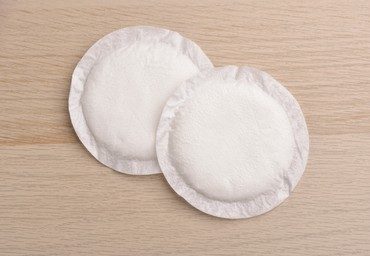
คำแนะนำง่ายๆ เกี่ยวกับการใช้แผ่นซับน้ำนมอย่างถูกต้อง
การใช้แผ่นซับน้ำนม ตรงไปตรงมาอย่างเหลือเชื่อ แต่เคล็ดลับเล็กๆ น้อยๆ ก็สามารถรับประกันได้ว่าคุณจะได้รับ ความสะดวกสบายสูงสุด และการป้องกัน เป้าหมายคือการวางตำแหน่ง แผ่นเต้านม อย่างถูกต้องจึงสามารถจับได้อย่างมีประสิทธิภาพ นมรั่ว.
- เริ่มต้นด้วยเต้านมที่สะอาดและแห้ง: ก่อนที่จะวาง แผ่นพยาบาล, ตรวจสอบให้แน่ใจว่าคุณ เต้านม และ หัวนม บริเวณนั้นสะอาดและซับให้แห้งเบาๆ ซึ่งจะช่วยป้องกันผิว การระคายเคือง.
- วางตำแหน่งเบาะ: วาง แผ่นพยาบาล เหนือของคุณโดยตรง หัวนม, ภายในเสื้อชั้นในของคุณ. ด้านที่นุ่มและดูดซับได้ควรแนบกับผิวของคุณ ถ้าคุณเป็น ใช้แล้วทิ้ง แผ่นที่มี กาว ลอกออก ลอกแผ่นรองออกแล้วกดด้านที่เหนียวเข้ากับด้านในของคุณอย่างแน่นหนา ชุดชั้นใน ถ้วย สิ่งนี้จะคงไว้ซึ่ง เบาะ จากการขยับ
- ตรวจสอบให้แน่ใจว่าได้พอดี: ปรับ แผ่นพยาบาล มันจึงราบเรียบและติดตามไปอย่างราบรื่น รูปร่าง ของคุณ เต้านม. มีการจัดวางอย่างดี เบาะ แทบจะมองไม่เห็นอยู่ใต้เสื้อผ้าของคุณ
- เปลี่ยนเมื่อเปียก: กฎที่สำคัญที่สุดคือการเปลี่ยนของคุณ แผ่นเต้านม ทันทีที่รู้สึกชื้น นี่เป็นสิ่งสำคัญสำหรับสุขอนามัยและการป้องกันปัญหาผิวหนัง
แค่นั้นแหละ! กระบวนการนี้ง่ายมาก และหลังจากทำสองสามครั้งก็จะกลายเป็นธรรมชาติที่สอง
เป็นไปได้ไหมที่จะสวมแผ่นซับน้ำนมโดยไม่มีเสื้อชั้นใน?
นี่เป็นคำถามที่พบบ่อย โดยเฉพาะจากคุณแม่ที่กำลังมองหาความสะดวกสบายที่บ้าน คำตอบสั้น ๆ คือ: ขึ้นอยู่กับประเภทของ แผ่นพยาบาล. มาตรฐาน ใช้แล้วทิ้ง และ แผ่นผ้าที่ใช้ซ้ำได้ ได้รับการออกแบบให้จัดขึ้นโดยก ชุดชั้นใน. โดยไม่มีโครงสร้างของก ชุดชั้นใน หรือเสื้อกล้ามให้นมที่กระชับพอดี พวกมันอาจขยับ รวมตัวกัน และไม่สามารถจับรอยรั่วได้อย่างมีประสิทธิภาพ อ กาว เปลื้องผ้าบน แผ่นซับน้ำนมแบบใช้แล้วทิ้ง ช่วยได้ แต่ควรยึดติดกับเนื้อผ้า ไม่ใช่ผิวหนัง และไม่เพียงพอต่อการยึดไว้อย่างแน่นหนาด้วยตัวมันเอง
ถ้าอยากไป ไม่มีเสื้อชั้นในทางออกที่ดีที่สุดของคุณคือ ใช้ ซิลิโคน แผ่นพยาบาล. ตามที่กล่าวไว้ข้างต้น แผ่นอิเล็กโทรดเหล่านี้ยึดติดกับตัวคุณโดยตรง เต้านม และทำงานโดยใช้แรงกดเบา ๆ เพื่อหยุดการรั่วไหลก่อนสตาร์ท พวกมันไม่ดูดซับ ดังนั้นจึงไม่ใช่วิธีแก้ปัญหาการรั่วซึมอย่างหนัก แต่สำหรับการควบคุมแสงและดุลยพินิจภายใต้เสื้อผ้าที่ไม่มี ชุดชั้นในพวกเขาเป็นตัวเลือกในอุดมคติ สำหรับสถานการณ์ส่วนใหญ่ที่เกี่ยวข้องกับแผ่นดูดซับ การพยาบาลที่สบายและกระชับพอดี ชุดชั้นใน คือเพื่อนที่ดีที่สุดของคุณ
คุณควรเปลี่ยนแผ่นซับน้ำนมบ่อยแค่ไหนเพื่อสุขอนามัยที่เหมาะสมที่สุด?
การรักษาสุขอนามัยถือเป็นส่วนที่สำคัญที่สุดประการหนึ่งของการใช้ แผ่นพยาบาล. มีความอบอุ่นชุ่มชื้น แผ่นเต้านม สามารถกลายเป็น พื้นที่ผสมพันธุ์ สำหรับแบคทีเรียหรือยีสต์ที่อาจนำไปสู่ผิวหนังได้ การระคายเคือง หรือการติดเชื้อ เช่น เชื้อราในช่องปากหรือเต้านมอักเสบ ดังนั้นคุณควรเปลี่ยนของคุณ แผ่นเต้านม เมื่อใดก็ตามที่มันเปียก
สำหรับผู้หญิงบางคนที่มีน้ำหนักมาก รั่วไหลซึ่งอาจหมายถึงการเปลี่ยนทุกๆ สองสามชั่วโมง สำหรับคนอื่นๆ อาจเป็นเพียงไม่กี่ครั้งต่อวัน หลักการทั่วไปที่ดีคือการตรวจสอบ เบาะ แต่ละครั้งที่คุณ ให้นมลูก ลูกน้อยของคุณและเปลี่ยนหากรู้สึกชื้น สิ่งสำคัญอย่างยิ่งคือต้องไม่นอนในที่เปียก เบาะ. ดูแลผิวของคุณให้เป็น สะอาดและแห้ง เท่าที่เป็นไปได้ช่วยป้องกัน เจ็บหัวนม และทำให้พื้นที่มีสุขภาพแข็งแรง มีสิ่งเพิ่มเติมเล็กน้อยเสมอ แผ่นซับน้ำนมคู่หนึ่ง ในกระเป๋าของคุณเมื่อคุณออกไปข้างนอกเพื่อให้คุณสามารถเปลี่ยนได้ตามต้องการ
สิ่งที่ควรมองหาเมื่อคุณเลือกแผ่นซับน้ำนม
ด้วยตัวเลือกมากมายในตลาดคุณจะทำอย่างไร เลือกแผ่นซับน้ำนม ที่เหมาะกับคุณเหรอ? ต่อไปนี้เป็นคุณลักษณะสำคัญบางประการที่ควรพิจารณา:
- การดูดซึม: นี่คือคุณลักษณะที่สำคัญที่สุด มองหาก แผ่นพยาบาล ที่ตรงกับระดับการรั่วซึมของคุณ ในช่วงสัปดาห์แรกๆ คุณจะต้องการอย่างสูง ดูดซับ เบาะ เป็นของคุณ การผลิตนม ควบคุมคุณอาจเปลี่ยนไปใช้อันที่เบากว่าได้
- รูปร่างและรูปร่าง: แผ่นรองพื้นที่ดีที่สุดมีรูปทรงตามธรรมชาติ รูปร่าง ของ เต้านมทำให้รู้สึกสบายขึ้นและมองเห็นได้น้อยลงภายใต้เสื้อผ้า มากมาย คนที่ใช้แล้วทิ้ง มีรูปร่างโค้งมน
- วัสดุ: ถ้าคุณมี ผิวแพ้ง่ายมองหาก แผ่นพยาบาล ด้วยความนุ่มนวลเป็นธรรมชาติ ชั้นใน. มีการผลิตแผ่นซับน้ำนมแบบใช้ซ้ำได้ จากวัสดุอย่างผ้าฝ้ายหรือไม้ไผ่ซึ่งมีความอ่อนโยนมาก เมื่อพูดถึงแผ่นอิเล็กโทรดแบบใช้แล้วทิ้ง ให้มองหาแผ่นที่มีความนุ่ม ระบายอากาศได้ ชั้นบนสุดถึง เก็บนมไว้ จากผิวของคุณ
- การสนับสนุนกันน้ำ: ดี แผ่นพยาบาล จะมีชั้นนอกกันน้ำไว้ ปกป้องเสื้อผ้าของคุณ และ ป้องกันคราบ. เลเยอร์นี้ควรจะยังคงอยู่ ระบายอากาศได้ เพื่อให้อากาศไหลเวียนลดการสะสมความชื้น
คู่มือฉบับย่อในการดูแลผ้าอนามัยแบบใช้ซ้ำได้
ถ้าคุณ เลือกใช้ a แผ่นพยาบาลแบบใช้ซ้ำได้การดูแลอย่างเหมาะสมถือเป็นสิ่งสำคัญเพื่อให้พวกมันอ่อนนุ่ม ดูดซับและ สุขาภิบาล. โชคดีที่มันทำได้ง่ายมาก
- ซักผ้า: หลังการใช้งานคุณสามารถล้างออกได้ แผ่นนำมาใช้ใหม่ และเก็บไว้ในถุงเปียกจนกว่าคุณจะพร้อมซักผ้า สามารถซักร่วมกับเสื้อผ้าของคุณหรือของลูกน้อยได้ การใช้ตาข่าย ถุงซักผ้า เป็นความคิดที่ดีที่จะเก็บ แผ่นอิเล็กโทรด ไม่ให้หลงในเครื่อง
- ผงซักฟอก: ใช้ผลิตภัณฑ์สูตรอ่อนโยนปราศจากน้ำหอม ผงซักฟอก เพื่อหลีกเลี่ยงสารตกค้างที่อาจเป็นไปได้ ทำให้เกิดการเสียดสี หรือระคายเคืองผิวของลูกน้อย หลีกเลี่ยงการใช้น้ำยาปรับผ้านุ่มเพราะจะช่วยลดการเกิด การดูดซึม ของ แผ่นผ้า.
- การอบแห้ง: คุณสามารถปั่นแห้งของคุณได้ แผ่นพยาบาลแบบใช้ซ้ำได้ โดยใช้ไฟต่ำหรือวางราบเพื่อให้แห้ง ตรวจสอบให้แน่ใจว่า แผ่นอิเล็กโทรด จะต้องแห้งสนิทก่อนสวมใส่อีกครั้งเพื่อป้องกันการเจริญเติบโตของแบคทีเรีย
เพราะ สามารถซักแผ่นรองได้ และนำกลับมาใช้ใหม่ คุณจะต้องมีหลายคู่เพื่อให้คุณมีชุดที่สะอาดและแห้งพร้อมใช้อยู่เสมอ
ฉันจำเป็นต้องมีแผ่นซับน้ำนมตลอดการเดินทางในการให้นมบุตรหรือไม่
ประสบการณ์ของผู้หญิงทุกคนแตกต่างกัน คุณแม่หลายๆ คนพบว่า ต้องการแผ่นซับน้ำนม ส่วนใหญ่ในช่วงหลังคลอดช่วงต้นตั้งแต่ไม่กี่สัปดาห์จนถึงไม่กี่เดือนในขณะที่พวกเขา การจัดหาน้ำนม กำลังควบคุม ในช่วงเวลานี้ การรั่วไหลมักเป็นสิ่งที่คาดเดาไม่ได้ เมื่อร่างกายและลูกน้อยของคุณมีจังหวะการป้อนนมที่สม่ำเสมอมากขึ้น คุณอาจพบว่าตัวเองเป็นเช่นนั้น รั่วไหล น้อยลงมากหรือไม่เลยระหว่างการให้นม
ผู้หญิงบางคนยังคงประสบกับแสงรั่วตลอดเวลา ให้นมลูกโดยเฉพาะอย่างยิ่งในเวลากลางคืนหรือเมื่อพวกเขาอยู่ห่างจากลูกน้อยเป็นเวลานาน คนอื่นพบว่าพวกเขาสามารถหยุดได้ การใช้แผ่นซับน้ำนม หลังจากสองสามเดือนแรก ไม่มีคำตอบที่ถูกหรือผิด วิธีที่ดีที่สุดคือการฟังร่างกายของคุณ เป็นความคิดที่ดีเสมอที่จะพกแผ่นอิเล็กโทรดติดตัวไว้เผื่อไว้ แต่คุณอาจไม่จำเป็น สวมแผ่นซับน้ำนม ทุกวันตลอดการเดินทางของคุณ
ข้อมูลเชิงลึกของผู้ผลิต: อะไรทำให้แผ่นซับน้ำนมคุณภาพดี
จากมุมมองของฉันในฐานะผู้ผลิตสินค้าทางการแพทย์แบบดูดซับซึ่งเป็นวิทยาศาสตร์ที่อยู่เบื้องหลังความยิ่งใหญ่ แผ่นพยาบาล—ไม่ว่า ใช้แล้วทิ้ง หรือนำกลับมาใช้ใหม่ได้ ขึ้นอยู่กับการออกแบบวัสดุอันชาญฉลาด คุณภาพ เบาะ ไม่ใช่แค่วัสดุดูดซับเท่านั้น เป็นระบบหลายชั้นที่ออกแบบมาเพื่อประสิทธิภาพและความสบาย
ที่ ชั้นในส่วนที่สัมผัสผิวจะต้องมีความนุ่มเป็นพิเศษและดูดซับได้ดี ความชื้นออกไป ออกจากร่างกายได้อย่างรวดเร็ว นี่เป็นสิ่งสำคัญสำหรับการป้องกัน การระคายเคือง และทำให้คุณรู้สึกแห้ง แกนกลางของก แผ่นทิ้ง มักประกอบด้วยโพลีเมอร์ที่สามารถดูดซับได้สูง คล้ายกับที่พบในผลิตภัณฑ์คุณภาพสูงเช่นเรา ผ้าปูที่นอนทางการแพทย์แบบใช้แล้วทิ้งซึ่งสามารถล็อคของเหลวปริมาณมากได้ สำหรับก แผ่นพยาบาลแบบใช้ซ้ำได้แกนกลางนี้อาจเป็นชั้นไม้ไผ่หรือเส้นใยปอที่หนาแน่น สุดท้ายชั้นนอกก็เป็นชั้นกั้นน้ำ ความท้าทายคือการทำให้ชั้นนี้ป้องกันโดยไม่กักความชื้นและความร้อน ซึ่งเป็นเหตุผลว่าทำไม ระบายอากาศได้ ภาพยนตร์มีความสำคัญมาก เมื่อคุณ เลือกที่จะให้นมลูกมีความน่าเชื่อถือและสะดวกสบาย แผ่นพยาบาล สร้างความแตกต่างทั้งหมด และนี่คือวิศวกรรมที่รอบคอบที่ให้ความน่าเชื่อถือดังกล่าว ผลิตภัณฑ์ง่ายๆ เช่น สำลีทางการแพทย์ที่ใช้แล้วทิ้ง เหมาะอย่างยิ่งสำหรับการใช้งานบางประเภท แต่สำหรับการป้องกันการรั่วไหล วิธีการแบบแบ่งชั้นนี้ถือเป็นกุญแจสำคัญ
ประเด็นสำคัญ
- แผ่นซับน้ำนมเป็นสิ่งจำเป็น: พวกเขาดูดซับการรั่วไหล นมแม่ปกป้องเสื้อผ้าของคุณและมอบความสบายและความมั่นใจ
- เลือกประเภทของคุณ: แผ่นซับน้ำนมแบบใช้แล้วทิ้ง ให้ความสะดวกสบายในขณะที่ แผ่นซับน้ำนมแบบใช้ซ้ำได้ เป็นมิตรกับสิ่งแวดล้อมและคุ้มค่า คุณแม่หลายคนใช้ทั้งสองอย่าง
- การใช้งานที่เหมาะสมนั้นง่าย: วาง เบาะ เหนือของคุณ หัวนม ภายในของคุณ ชุดชั้นใน และเปลี่ยนทุกครั้งที่รู้สึกชื้น
- สุขอนามัยเป็นสิ่งสำคัญ: การเปลี่ยนแผ่นบ่อยๆ จะช่วยป้องกันผิวหนังได้ การระคายเคือง และการติดเชื้อเช่นเชื้อรา
- มองหาคุณสมบัติด้านคุณภาพ: จัดลำดับความสำคัญ การดูดซึม,แบบสบายๆ รูปร่าง,วัสดุอ่อนนุ่มสำหรับ ผิวแพ้ง่ายและ ระบายอากาศได้, รองพื้นกันน้ำ
- ความต้องการแตกต่างกันไป: คุณน่าจะใช้ แผ่นพยาบาล มากที่สุดในช่วงสัปดาห์แรกๆ ของการเลี้ยงลูกด้วยนมแม่ และคุณอาจต้องการมันน้อยลงตามของคุณ การจัดหาน้ำนม ควบคุม
เวลาโพสต์: Dec-10-2025