



ในโลกของเวชภัณฑ์ มีอุปกรณ์เพียงไม่กี่ชิ้นเท่านั้นที่เป็นพื้นฐานและช่วยชีวิตได้ หน้ากากออกซิเจน. สำหรับผู้จัดการฝ่ายจัดซื้ออย่าง Mark Thompson ในสหรัฐอเมริกาในการจัดหาสิทธิ์ อุปกรณ์ส่งออกซิเจน เป็นความรับผิดชอบที่สำคัญซึ่งส่งผลกระทบโดยตรงต่อการดูแลผู้ป่วย แต่ไม่ใช่ว่ามาสก์ทั้งหมดจะถูกสร้างขึ้นมาเท่ากัน ที่ ประเภทของหน้ากากออกซิเจน ที่เลือกสำหรับผู้ป่วยขึ้นอยู่กับความเฉพาะเจาะจงของพวกเขา ระบบทางเดินหายใจ ความต้องการจากการให้อาหารเสริมอ่อนๆ ออกซิเจน เพื่อช่วยชีวิต ออกซิเจนสูง ความเข้มข้นใน กรณีฉุกเฉิน. ในฐานะที่อัลเลนเป็นผู้ผลิต การดูแลระบบทางเดินหายใจ สินค้าในจีนผมดูแลการผลิตมานับไม่ถ้วน การส่งออกซิเจน ระบบ ฉันเข้าใจถึงความแตกต่างเล็กๆ น้อยๆ แต่สำคัญในการออกแบบ อัตราการไหลและฟังก์ชัน คู่มือนี้จะคลี่คลาย หน้ากากออกซิเจนประเภทต่างๆอธิบายว่าสิ่งเหล่านี้คืออะไร ใช้งานเมื่อใด และวิธีการเลือกสิ่งที่ถูกต้อง เพื่อให้แน่ใจว่าคุณมีความพร้อมในการตัดสินใจซื้อที่ดีที่สุดสำหรับสถานพยาบาลของคุณ
การบำบัดด้วยออกซิเจนคืออะไร และเหตุใดจึงมีหน้ากากออกซิเจนหลายประเภท?
การบำบัดด้วยออกซิเจน คือการรักษาทางการแพทย์ที่ให้ผู้ป่วยด้วย ออกซิเจนเสริม เมื่อร่างกายไม่สามารถรับเองได้เพียงพอ อากาศในห้อง. นี่เป็นการแทรกแซงที่พบบ่อยและสำคัญสำหรับผู้คนในวงกว้าง สภาพทางเดินหายใจ, จาก โรคปอดอุดกั้นเรื้อรัง (ปอดอุดกั้นเรื้อรัง) ถึง ภาวะหายใจล้มเหลวเฉียบพลัน. เป้าหมายนั้นง่าย: เพื่อเพิ่ม ความเข้มข้นของออกซิเจน ในปอดและเลือด ช่วยให้หายใจสะดวกขึ้นและทำให้อวัยวะสำคัญต่างๆ เข้าถึงได้ ออกซิเจน พวกเขาต้องการ
เหตุผลก็มีมากมาย หน้ากากออกซิเจนประเภทต่างๆ คือความต้องการของผู้ป่วยแตกต่างกันอย่างมาก ผู้ป่วยที่ฟื้นตัวจากการผ่าตัดอาจต้องการการเสริมกำลังเพียงเล็กน้อยเท่านั้น ออกซิเจนไหลต่ำขณะที่ผู้ป่วยอาการหนัก ความทุกข์ทางเดินหายใจ อาจต้องการสูงสุดเท่าที่จะเป็นไปได้ ความเข้มข้นของออกซิเจน. แต่ละ หน้ากากออกซิเจน หรืออุปกรณ์ได้รับการออกแบบทางวิศวกรรมเพื่อ ส่งออกซิเจน ในช่วงเฉพาะของ อัตราการไหล และ ความเข้มข้น. สามารถเลือกอุปกรณ์ได้ ผู้เชี่ยวชาญด้านสุขภาพ เพื่อปรับแต่ง การบำบัดด้วยออกซิเจน เข้ากับสภาพของผู้ป่วยได้อย่างแม่นยำ หลีกเลี่ยงความเสี่ยงจากภาวะออกซิเจนต่ำและออกซิเจนมากเกินไป เหล่านี้ ระบบส่งออกซิเจน เป็นเครื่องมือสำคัญที่ทำให้การรักษาที่แม่นยำนี้เป็นไปได้
สายสวนจมูก: ทางเลือกง่ายๆ สำหรับออกซิเจนไหลต่ำ
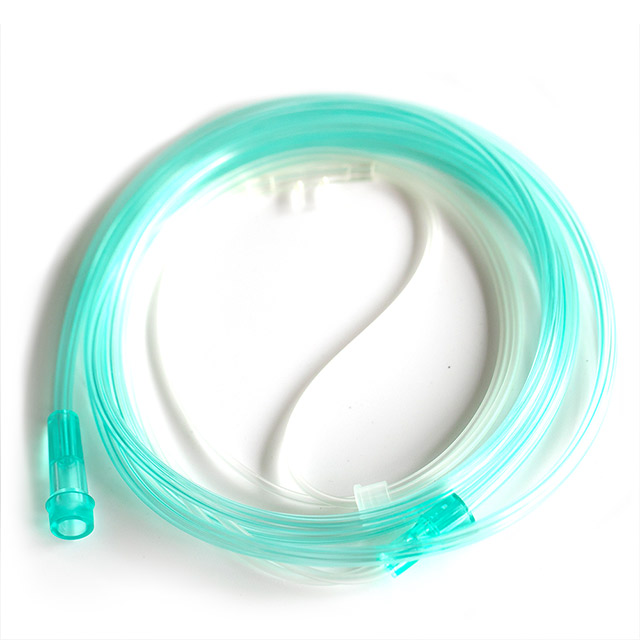
ที่ สายสวนจมูก เป็นหนึ่งในเรื่องธรรมดาและเป็นที่รู้จักมากที่สุด อุปกรณ์ส่งออกซิเจน. มันไม่ใช่หน้ากากเลย แต่เป็นส่วนที่ยืดหยุ่นได้ ท่อ กับคนตัวเล็กสองคน ง่ามจมูก นั่น พอดีกับรูจมูก. จากนั้นจึงคล้องสายยางไว้เหนือหูและยึดไว้ใต้คาง ข้อได้เปรียบหลักคือความสะดวกสบาย ผู้ป่วยสามารถพูดคุย รับประทานอาหาร และดื่ม ขณะรับได้ ออกซิเจนอ่อน การบำบัดซึ่งทำให้เหมาะสำหรับระยะยาว การใช้ออกซิเจน.
A สายสวนจมูก คือ ไหลต่ำ อุปกรณ์ที่มักใช้สำหรับ อัตราการไหล การตั้งค่าระหว่าง 1 ถึง 6 ลิตรต่อนาที (LPM) สิ่งนี้ให้ ความเข้มข้นของออกซิเจน ประมาณ 24% ถึง 44% เพราะคนไข้ยังหายใจเข้าอีกด้วย อากาศในห้อง รอบ ๆ ง่าม ช่องเปิดที่แน่นอน ความเข้มข้น อาจแตกต่างกันไป ก สายสวนจมูก เป็นทางเลือกที่สมบูรณ์แบบสำหรับผู้ป่วยที่มีอาการคงที่ ไม่อยู่ในภาวะวิกฤตเฉียบพลัน และต้องการการรักษาเพิ่มขึ้นเล็กน้อย ระดับออกซิเจน. เราผลิตสินค้าประเภทต่างๆ ได้แก่ cannula ออกซิเจนทางจมูก PVC แบบใช้แล้วทิ้ง สำหรับทั้งทารกและผู้ใหญ่ ออกแบบมาเพื่อความสะดวกสบายและประสิทธิภาพที่เชื่อถือได้ ความเรียบง่ายของ จมูก อุปกรณ์ดังกล่าวทำให้กลายเป็นอุปกรณ์หลักในสถานพยาบาลเกือบทุกแห่ง
การมาส์กหน้าแบบเรียบง่าย: ก้าวไปอีกขั้นในการส่งออกซิเจน
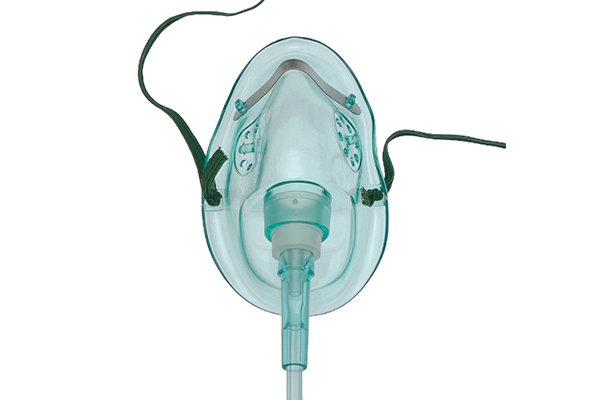
เมื่อคนไข้ต้องการเพียงเล็กน้อย ออกซิเจนที่สูงขึ้น ความเข้มข้น กว่าก สายสวนจมูก สามารถให้ได้ ขั้นตอนต่อไปมักจะเป็น มาส์กหน้าง่ายๆ. เป็นพลาสติกใส น้ำหนักเบา หน้ากากที่ปิดจมูก และปากและยึดอยู่กับที่ด้วย สายยางยืด รอบศีรษะ. ด้านข้างมีช่องเล็กๆ ไว้ใส่ได้ อากาศหายใจออก เพื่อหลบหนีและปล่อยให้คนไข้ดึงเข้ามาบ้าง อากาศในห้อง.
มาส์กหน้าง่ายๆ ใช้สำหรับ อัตราการไหล การตั้งค่าระหว่าง 6 ถึง 10 LPM โดยส่งมอบ ความเข้มข้นของออกซิเจน ประมาณ 40% ถึง 60% สิ่งสำคัญคืออย่าใช้ อัตราการไหล ต่ำกว่า 6 LPM ด้วยสิ่งนี้ หน้ากากได้รับการออกแบบเนื่องจากอาจทำให้เกิดการสะสมของก๊าซคาร์บอนไดออกไซด์จากตัวคนไข้เองได้ การหายใจออก. เหล่านี้ มีการใช้หน้ากากอนามัยกันทั่วไป สำหรับคนไข้ที่ต้องการระยะสั้น การบำบัดด้วยออกซิเจนเช่น ระหว่างการพักฟื้นหลังการผ่าตัดหรือใน กรณีฉุกเฉิน สถานการณ์การขนส่ง พวกเขาให้สูงขึ้นและเชื่อถือได้มากขึ้น การไหลของออกซิเจน กว่า cannula แต่มีความแม่นยำน้อยกว่ามาสก์ขั้นสูง
หน้ากาก Venturi: เพื่อความเข้มข้นของออกซิเจนที่แม่นยำ
ที่ หน้ากากเวนทูรีหรือที่เรียกว่าหน้ากากกักลม เป็นอุปกรณ์ที่ต้องใช้เมื่อ แพทย์มืออาชีพ จำเป็นต้องส่งมอบ ออกซิเจนที่แม่นยำ ความเข้มข้น. ซึ่งเป็นสิ่งสำคัญอย่างยิ่งสำหรับผู้ป่วยด้วย ปอดอุดกั้นเรื้อรัง. สำหรับบุคคลเหล่านี้ก็ได้รับเช่นกัน ออกซิเจนมาก สามารถระงับแรงขับหายใจตามธรรมชาติซึ่งเป็นอันตรายได้ ที่ หน้ากากเวนทูรี แก้ปัญหานี้ด้วยการออกแบบอันชาญฉลาด
ที่ เวนตูรี มาส์กทำงานโดยใช้สารพิเศษ วาล์ว หรือรหัสสี อะแดปเตอร์ ที่ฐานของหน้ากาก เช่น ออกซิเจน ไหลด้วยความเร็วสูงผ่านช่องเปิดแคบๆ ใน อะแดปเตอร์จะสร้างสุญญากาศที่ดึงเข้ามา (ขึ้นรถไฟ) จำนวนเฉพาะของ อากาศในห้อง. แต่ละรหัสสี เวนตูรี อะแดปเตอร์ ถูกออกแบบมาเพื่อผสม ปริมาณออกซิเจน ด้วยอากาศเพื่อให้เกิดความคงที่และเชื่อถือได้ ความเข้มข้น (เช่น 24%, 28%, 35%, 40%, 50%) โดยไม่คำนึงถึงรูปแบบการหายใจของผู้ป่วย ความแม่นยำนี้ทำให้ เวนตูรี เครื่องมือสำคัญในการจัดการโรคเรื้อรัง ระบบทางเดินหายใจ สภาวะและป้องกันภาวะแทรกซ้อนจาก การบำบัดด้วยออกซิเจน.
หน้ากาก Non-Rebreather: มอบออกซิเจนสูงในสถานการณ์วิกฤติ
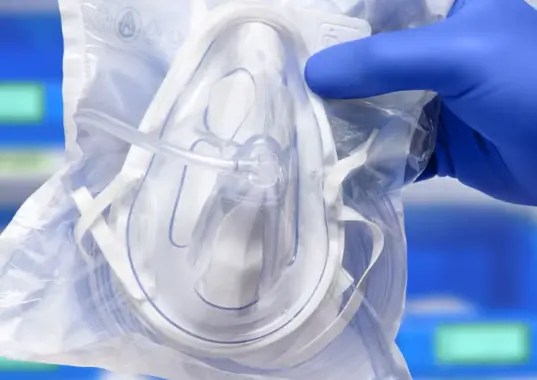
เมื่อมีคนไข้เข้ามา เฉียบพลัน ทุกข์และเรียกร้องอย่างสูงสุด ความเข้มข้นของออกซิเจน, ผู้ให้บริการด้านสุขภาพ หันไปที่ หน้ากากชนิดไม่ช่วยหายใจ. นี้ ประเภทของหน้ากากออกซิเจน เป็นอุปกรณ์ชิ้นสำคัญใน กรณีฉุกเฉิน ยา, การช่วยชีวิตและ การดูแลที่สำคัญ. ที่ หน้ากากชนิดไม่ช่วยหายใจ ปิดจมูกและปาก และรวมถึงขนาดใหญ่ ถุงอ่างเก็บน้ำ ติดอยู่ที่ด้านล่าง
ที่ หน้ากากได้รับการออกแบบ กับซีรีย์ของ วาล์วทางเดียว. หนึ่ง วาล์ว ตั้งอยู่ระหว่างหน้ากากกับ ถุงอ่างเก็บน้ำทำให้ผู้ป่วยได้หายใจอย่างบริสุทธิ์ ออกซิเจน ออกจากถุงแต่ป้องกันไม่ให้ลมหายใจที่หายใจออกกลับเข้าไปอีก อื่นๆ วาล์วทางเดียว จะอยู่ที่ช่องหายใจออกด้านข้างของหน้ากากช่วยให้ อากาศหายใจออก ที่จะหลบหนีแต่ป้องกัน อากาศในห้อง จากการสูดดม ระบบนี้ของ วาล์วทางเดียว ทำให้ผู้ป่วยหายใจได้เกือบ 100% ออกซิเจน. ก ไม่ใช่การช่วยหายใจ ใช้สำหรับความสูง อัตราการไหล การตั้งค่า (10-15 LPM) และสามารถส่งมอบ ความเข้มข้นของออกซิเจน มากถึง 95% เหล่านี้ มักมีหน้ากากอนามัย สะพานสู่ความก้าวหน้ายิ่งขึ้น ระบบทางเดินหายใจ สนับสนุนเหมือนก ไบแพป เครื่องหรือเครื่องระบายอากาศ
หน้ากาก Rebreather บางส่วนคืออะไร และแตกต่างกันอย่างไร
บางส่วน เครื่องช่วยหายใจ หน้ากากดูคล้ายกับก หน้ากากชนิดไม่ช่วยหายใจเนื่องจากมันยังมี ถุงอ่างเก็บน้ำ. อย่างไรก็ตาม มีความแตกต่างที่สำคัญในการออกแบบและฟังก์ชัน บางส่วน เครื่องช่วยหายใจ ไม่มี ทางเดียว วาล์ว ระหว่างหน้ากากกับ ถุงอ่างเก็บน้ำ. ซึ่งหมายความว่าเมื่อผู้ป่วยหายใจออก ส่วนแรกของลมหายใจจะเต็มไปด้วย ออกซิเจน จากช่องว่างทางกายวิภาคของ ทางเดินหายใจ-ไหลกลับเข้าสู่. ถุงอ่างเก็บน้ำ และผสมกับความบริสุทธิ์ ออกซิเจน จากการจัดหา
การออกแบบนี้ช่วยให้ผู้ป่วย "หายใจอีกครั้ง" บางส่วนของตนเองได้ ใช้ออกซิเจนการอนุรักษ์อุปทานในขณะที่ยังคงมีการส่งมอบที่สูง ความเข้มข้น. บางส่วน เครื่องช่วยหายใจ หน้ากากสามารถส่งมอบ ความเข้มข้นของออกซิเจน 60% ถึง 80% ที่ อัตราการไหล 6 ถึง 10 LPM มันมี ออกซิเจนที่สูงขึ้น ความเข้มข้น กว่าก มาส์กหน้าง่ายๆ แต่น้อยกว่าก ไม่ใช่การช่วยหายใจ. เหล่านี้ หน้ากากอนามัยใช้สำหรับผู้ป่วยที่ต้องการ ความเข้มข้นที่สูงขึ้น ของ ออกซิเจน แต่ไม่ได้อยู่ในภาวะวิกฤต ระบบทางเดินหายใจ ความล้มเหลว ทางเลือกระหว่างก ไม่ใช่การช่วยหายใจ และบางส่วน เครื่องช่วยหายใจ ขึ้นอยู่กับวิธีการ ออกซิเจนมาก ที่ ของผู้ป่วย ความต้องการเงื่อนไข
ผู้เชี่ยวชาญด้านการดูแลสุขภาพเลือกอุปกรณ์ส่งออกซิเจนที่เหมาะสมได้อย่างไร
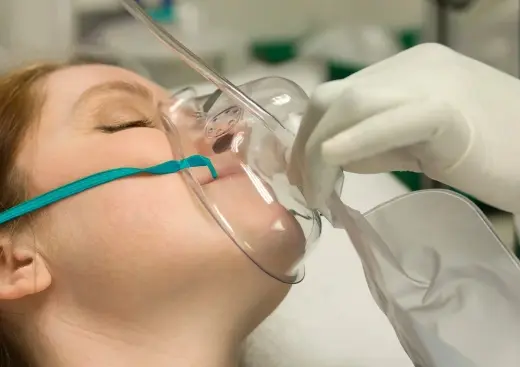
การเลือก ออกซิเจนที่ถูกต้อง อุปกรณ์เป็นการตัดสินใจทางคลินิกโดยอิงจากการประเมินผู้ป่วยอย่างละเอียด ผู้เชี่ยวชาญด้านการดูแลสุขภาพ พิจารณาปัจจัยหลายประการเพื่อให้ตรงกับความต้องการของผู้ป่วยเพื่อให้เกิดประสิทธิภาพ การให้ออกซิเจน.
- ความต้องการออกซิเจน: ปัจจัยหลักคือความต้องการของผู้ป่วย ความเข้มข้นของออกซิเจน. ผู้ป่วยที่มีภาวะขาดออกซิเจนเล็กน้อยอาจเริ่มต้นด้วย สายสวนจมูกในขณะที่คนที่มีอาการรุนแรง ความทุกข์ทางเดินหายใจ จะถูกวางไว้บน a. ทันที หน้ากากชนิดไม่ช่วยหายใจ.
- สภาพของผู้ป่วยและความมั่นคง: ผู้ป่วยทรงตัวมีภาวะเรื้อรังเช่น ปอดอุดกั้นเรื้อรัง ที่ต้องการความแม่นยำระดับต่ำ ออกซิเจน เป็นตัวเลือกที่สมบูรณ์แบบสำหรับ หน้ากากเวนทูรี. ผู้ป่วยไม่มั่นคงใน กรณีฉุกเฉิน ต้องการสูงทันที การไหลของออกซิเจน ของ ไม่ใช่การช่วยหายใจ.
- ความสบายและความอดทน: สำหรับคนไข้ที่ต้องรักษาระยะยาว การบำบัดด้วยออกซิเจนความสะดวกสบายเป็นสิ่งสำคัญ ก สายสวนจมูก ช่วยให้มีอิสระมากกว่าความสมบูรณ์ หน้ากากออกซิเจนซึ่งสามารถทำให้บางคน รู้สึกอึดอัด.
- รูปแบบการหายใจ: รูปแบบการหายใจของผู้ป่วยเองอาจส่งผลต่อ ความเข้มข้นของออกซิเจน จัดส่งโดย ไหลต่ำ อุปกรณ์เช่น สายสวนจมูก หรือหน้ากากธรรมดา สำหรับคนไข้ที่หายใจไม่สม่ำเสมอ อุปกรณ์ที่มีการไหลสูงหรือคงที่ เช่น ก หน้ากากเวนทูรี เป็นทางเลือกที่ดีกว่า
ความท้าทายทั่วไปที่ผู้ป่วยเผชิญเมื่อใช้หน้ากากออกซิเจน
ในขณะที่ หน้ากากออกซิเจนเป็นสิ่งจำเป็น สำหรับ ใช้ในการรักษา ด้วยเงื่อนไขหลายประการ สิ่งเหล่านี้ไม่ได้ปราศจากความท้าทาย จากมุมมองของการออกแบบและการผลิต เราพยายามปรับปรุงความสะดวกสบายและการใช้งานอยู่เสมอ ผู้ป่วยสามารถทำได้ในบางครั้ง รู้สึกอึดอัด เมื่อสวมหน้ากาก ปิดจมูกและปาก. สิ่งนี้อาจทำให้เกิดความวิตกกังวลและอาจทำให้พวกเขาถอดหน้ากากออกและรบกวนพวกเขา การบำบัดด้วยออกซิเจน.
การระคายเคืองผิวหนังเป็นอีกปัญหาหนึ่งที่พบบ่อย แรงกดดันจาก. สายยางยืด และตัวมาส์กเองก็อาจทำให้เกิดแผลหรือรอยแดงได้โดยเฉพาะเมื่อใช้เป็นเวลานาน แบบแห้ง จมูก เนื้อเรื่องเป็นการร้องเรียนบ่อยครั้งกับ สายสวนจมูกอย่างต่อเนื่อง การไหลของออกซิเจน สามารถทำให้แห้งได้ เพื่อบรรเทาปัญหานี้ ออกซิเจน สามารถทำให้ชื้นได้ การดูแลให้เหมาะสมก็เป็นสิ่งสำคัญเช่นกัน หน้ากากที่หลวมเกินไปก็จะรั่ว ออกซิเจน,ลดประสิทธิผล ความเข้มข้นในขณะที่อันที่คับเกินไปก็ทำให้ไม่สบายตัว สร้างความสบาย ออกซิเจน อุปกรณ์ที่ให้การบำบัดที่มีประสิทธิภาพคือเป้าหมายที่คงที่ ในสถานพยาบาล ความท้าทายเหล่านี้ได้รับการจัดการควบคู่ไปกับงานดูแลที่สำคัญอื่นๆ เช่น การเคลียร์พื้นที่ ทางเดินหายใจ ด้วย ท่อเชื่อมต่อดูด.
จากมุมมองของผู้ผลิต: อะไรเป็นตัวกำหนดคุณภาพหน้ากากออกซิเจน
เป็นผู้ผลิตให้บริการครบวงจร โซลูชั่นการดูแลระบบทางเดินหายใจคุณภาพถูกฝังอยู่ในทุกขั้นตอนของกระบวนการของเรา เมื่อโรงพยาบาลหรือแหล่งจำหน่าย อุปกรณ์ส่งออกซิเจนพวกเขาให้ความไว้วางใจในความปลอดภัยและประสิทธิภาพของผลิตภัณฑ์
คุณภาพ หน้ากากออกซิเจน หรือ สายสวนจมูก ถูกกำหนดโดย:
- วัสดุเกรดทางการแพทย์: อุปกรณ์ต้องทำจากวัสดุที่อ่อนนุ่ม ยืดหยุ่นได้ และปลอดสารก่อภูมิแพ้ เพื่อลดการระคายเคืองผิวหนังและรับรองความสบายของผู้ป่วย พลาสติกทุกชนิดจะต้องไม่เป็นพิษและไม่มีกลิ่น
- วิศวกรรมความแม่นยำ: สำหรับอุปกรณ์เช่น หน้ากากเวนทูรี, ที่ อะแดปเตอร์ ต้องได้รับการออกแบบทางวิศวกรรมตามข้อกำหนดที่แน่นอนเพื่อให้แน่ใจว่ามีการส่งมอบที่แม่นยำและเชื่อถือได้ ความเข้มข้นของออกซิเจน. ที่ วาล์ว ใน ไม่ใช่เครื่องช่วยหายใจ ต้องมีคุณภาพสูงจึงจะทำงานได้อย่างถูกต้อง
- การออกแบบตามหลักสรีรศาสตร์: ดี หน้ากากได้รับการออกแบบ เพื่อสร้างการปิดผนึกที่ปลอดภัยแต่สะดวกสบาย คุณสมบัติต่างๆ เช่น คลิปหนีบจมูกที่ยืดหยุ่นและสายรัดที่นุ่มและได้รับการออกแบบมาอย่างดี ช่วยให้ผู้ป่วยได้รับประสบการณ์ที่ดีขึ้นและปฏิบัติตามได้ดียิ่งขึ้น การบำบัดด้วยออกซิเจน.
- โครงสร้างที่ชัดเจนและทนทาน: การมาส์กควรมีความชัดเจนเพื่อให้สามารถ ผู้ให้บริการด้านสุขภาพ เพื่อตรวจดูริมฝีปากและจมูกของผู้ป่วย การเชื่อมต่อทั้งหมดสำหรับ ท่อ จะต้องปลอดภัยเพื่อป้องกันการตัดการเชื่อมต่อโดยไม่ตั้งใจจาก ปริมาณออกซิเจน.
อนาคตของการส่งออกซิเจน: นวัตกรรมในการดูแลระบบทางเดินหายใจ
สนามของ ระบบทางเดินหายใจ การดูแลมีการพัฒนาอย่างต่อเนื่อง ในขณะที่พื้นฐาน ประเภทหน้ากากออกซิเจน ที่กล่าวถึงที่นี่ยังคงเป็นรากฐานของ การบำบัดด้วยออกซิเจนนวัตกรรมยังคงปรับปรุงผลลัพธ์และความสบายของผู้ป่วยอย่างต่อเนื่อง การไหลสูง จมูก แคนนูลา (HFNC) ตัวอย่างเช่น ระบบสามารถส่งความร้อนและความชื้นได้ ออกซิเจน ที่อัตราการไหลที่สูงมากให้ผลดีกว่า การให้ออกซิเจน และความสบายมากกว่ามาส์กแบบเดิมๆ แน่นอน ผู้ป่วยที่ต้องการ การสนับสนุนระดับนี้
เทคโนโลยีอัจฉริยะยังเข้ามาในพื้นที่ด้วยเซ็นเซอร์ที่สามารถตรวจสอบการหายใจของผู้ป่วยและปรับการหายใจโดยอัตโนมัติ การไหลของออกซิเจน. เป้าหมายคือเพื่อให้การบำบัดที่มีประสิทธิภาพมากที่สุดและมีการรุกล้ำน้อยที่สุด ในฐานะผู้ผลิต เรามุ่งมั่นที่จะเป็นส่วนหนึ่งของนวัตกรรมนี้โดยทำงานร่วมกับ ผู้เชี่ยวชาญด้านสุขภาพ เพื่อพัฒนาคนรุ่นต่อไป อุปกรณ์ส่งออกซิเจน ที่ปลอดภัยกว่า สะดวกสบายกว่า และมีประสิทธิภาพมากกว่าสำหรับ ออกซิเจนประเภทต่างๆ การบำบัดที่จำเป็นในการแพทย์สมัยใหม่
ประเด็นสำคัญ
- สายสวนจมูก: เพื่อความสะดวกสบาย ออกซิเจนไหลต่ำ (1-6 LPM) เหมาะสำหรับผู้ป่วยที่มีอาการคงที่
- มาส์กหน้าง่ายๆ: สำหรับระดับปานกลาง ความเข้มข้นของออกซิเจน (40-60%) ที่ อัตราการไหล 6-10 ลิตรต่อนาที
- หน้ากากเวนทูรี: ทางเลือกที่ดีที่สุดสำหรับการส่งมอบ ออกซิเจนที่แม่นยำ ความเข้มข้น, สำคัญมากสำหรับ ปอดอุดกั้นเรื้อรัง ผู้ป่วย
- หน้ากากชนิดไม่ช่วยหายใจ: อ กรณีฉุกเฉิน อุปกรณ์สำหรับการส่งมอบสูงสุดที่เป็นไปได้ ความเข้มข้นของออกซิเจน (มากถึง 95%) ในสถานการณ์วิกฤติ
- หน้ากาก Rebreather บางส่วน: ให้สูง ออกซิเจน (60-80%) และอนุรักษ์ไว้บ้าง ออกซิเจน โดยปล่อยให้ผู้ป่วยหายใจเข้าช่วงแรกๆ ของลมหายใจออกอีกครั้ง
- ทางเลือกที่เหมาะสมเป็นเรื่องทางคลินิก: ที่ ประเภทของหน้ากากออกซิเจน ที่ใช้จะขึ้นอยู่กับความต้องการทางการแพทย์ สภาพ และความสะดวกสบายเฉพาะของผู้ป่วย
เวลาโพสต์: Dec-17-2025