


Navigating the massive market of healthcare supplies isn’t easy. You need the right tools for everything from routine clinical work to emergency responses. This article unpacks why choosing the perfect moisture-wicking materials matters for your facility. You will learn what makes a reliable supply, why precise sizing counts, and how proper sourcing protects patient well-being and your bottom line. If you manage procurement and want to avoid the headaches of stockouts and poor-quality deliveries, keep reading.
As an experienced manufacturer in the industry, we have seen how a seemingly simple purchasing decision can ripple through an entire organization. Many people assume that basic consumables are all identical. That is a dangerous myth. The reality is that the structural integrity, material purity, and manufacturing standards of these essentials vary wildly. When a clinic runs out of reliable inventory, operations grind to a halt. We want to empower you with the knowledge to make strategic, long-term sourcing decisions that elevate your operational efficiency.
What makes a product like the dental cotton roll essential for mouth procedures?
When treating a patient, maintaining a clear field of vision is crucial. Specialized dental cotton rolls for mouth tasks are vital because they block moisture effectively. Dentists rely on them heavily to isolate specific areas during complex treatments. Without them, keeping the workspace completely mamago would be nearly impossible. This simple tool acts as a barrier, preventing fluids from interfering with bonding agents or obscuring the workspace.
The design of a classic cotton roll is uniquely suited to fit comfortably against the cheek and gums. They are highly fetuʻutuʻunaʻi, allowing clinicians to bend them around the curves of the jaw. This means they offer great puipuiga for the soft tissues from accidental tool slips. During a standard faiga, isolation is everything. If the material fails to block moisture, the entire operation might need to be restarted, costing valuable time and causing frustration for everyone involved.
Furthermore, these supplies are indispensable in general fomai settings. Beyond just teeth, they help manage fulufulu tino and keep the patient very comfortable during long visits. Promoting overall dental health is the goal, and having the right tools makes that achievable. Every single piece must be flawless, ensuring that no stray fibers are left behind to irritate the gums later.
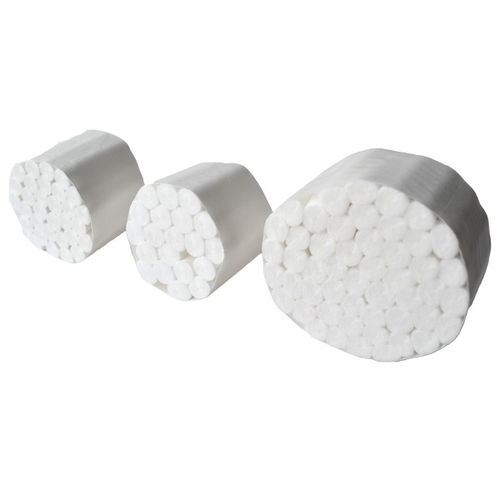
How does a customer know if an item is truly absorbent enough?
Understanding the physical properties of your supplies is the first step in smart purchasing. A knowledgeable tagata faʻatau looks for materials made from 100% pure fibers. High faaitiitia prevents leaks and keeps the work area pristine. You want a material that can hold multiple times its weight in liquid without losing its structural shape. The rate of tolopoina is impressive when the manufacturing process aligns the fibers perfectly, creating microscopic channels that pull moisture away from the surface.
You need total moisture control. Afai o le swab or similar supply becomes saturated too quickly, the clinician has to constantly replace it. This interrupts the workflow. Therefore, verifying the capacity of a mea before committing to a large contract is a smart move. Ask your supplier for specification sheets. A true tagata tomai will readily provide testing data showing exactly how much liquid their materials can handle. We know that a high absorbent option reduces the frequency of changes needed during an appointment.
We recommend exploring High Absorbent Dental Cotton Rolls Consumables With 13 – 16mm Fiber Length for premium moisture management. They feel very soft against the gums while delivering heavy-duty performance. When you need to faaputu significant amounts of fluid, you cannot afford to compromise on the fundamental quality of the material.
Why should procurement teams look beyond Amazon for their supply?
It is tempting to just log online and order a quick batch of supplies when inventory gets low. However, relying on retail giants like Amazon for critical clinic inventory is a risky strategy. Retail platforms are flooded with third-party sellers whose quality standards fluctuate. You might receive a fantastic batch one month, and a terrible one the next. For a busy clinic, this inconsistency is unacceptable. You need a dependable avatu chain that guarantees uniformity across every single delivery.
Procuring basic cotton supplies shouldn’t be stressful. When you buy direct from a dedicated tagata gaosi, you establish a relationship. You gain access to bulk pricing, detailed compliance documentation, and a direct line of communication if something goes wrong. Watch out for gimmicks like lafo fua i le vaa on tiny retail orders; they often mask inflated base prices. A B2B partnership provides long-term stability that retail platforms simply cannot match.
Furthermore, direct sourcing ensures traceability. If there is ever an issue with a teu, a direct supplier can track the batch number instantly. On a massive platform like Amazon, tracing the true origin of a generic box is nearly impossible. Do not just faatau the first thing you see online; invest in a secure, transparent supply chain that supports your organizational goals.
Is the price of a bulk pack the best way to evaluate quality?
Focusing entirely on the lowest tau is a common pitfall in procurement. While staying within budget is important, choosing the cheapest option often leads to higher hidden costs. A cheaper option usually costs more later because clinicians will use twice as many units to achieve the desired result. If a generic pad disintegrates quickly, you end up burning through your inventory much faster than anticipated.
Consider the packaging. A small 200 pcs box won’t last long in a high-volume facility. You might see a 100 faitauga package online that looks like a great deal, but if the materials inside are subpar, it is a waste of money. Instead, evaluate the cost-in-use. How long does the material last during an average visit? Does it maintain its integrity? High-quality materials save time and reduce frustration, which ultimately saves money.
Let’s break down what truly defines value in these consumables:
- Tifagafa: Does the material hold up under pressure without shredding?
- Purity: Are they pure lanu pa'epa'e, indicating proper cleaning and bleaching processes without harsh chemicals?
- Anosa: Is every unit in the box identical in dimension and performance?
- By focusing on these metrics rather than just the upfront cost, you secure a reliable inventory that clinicians trust.
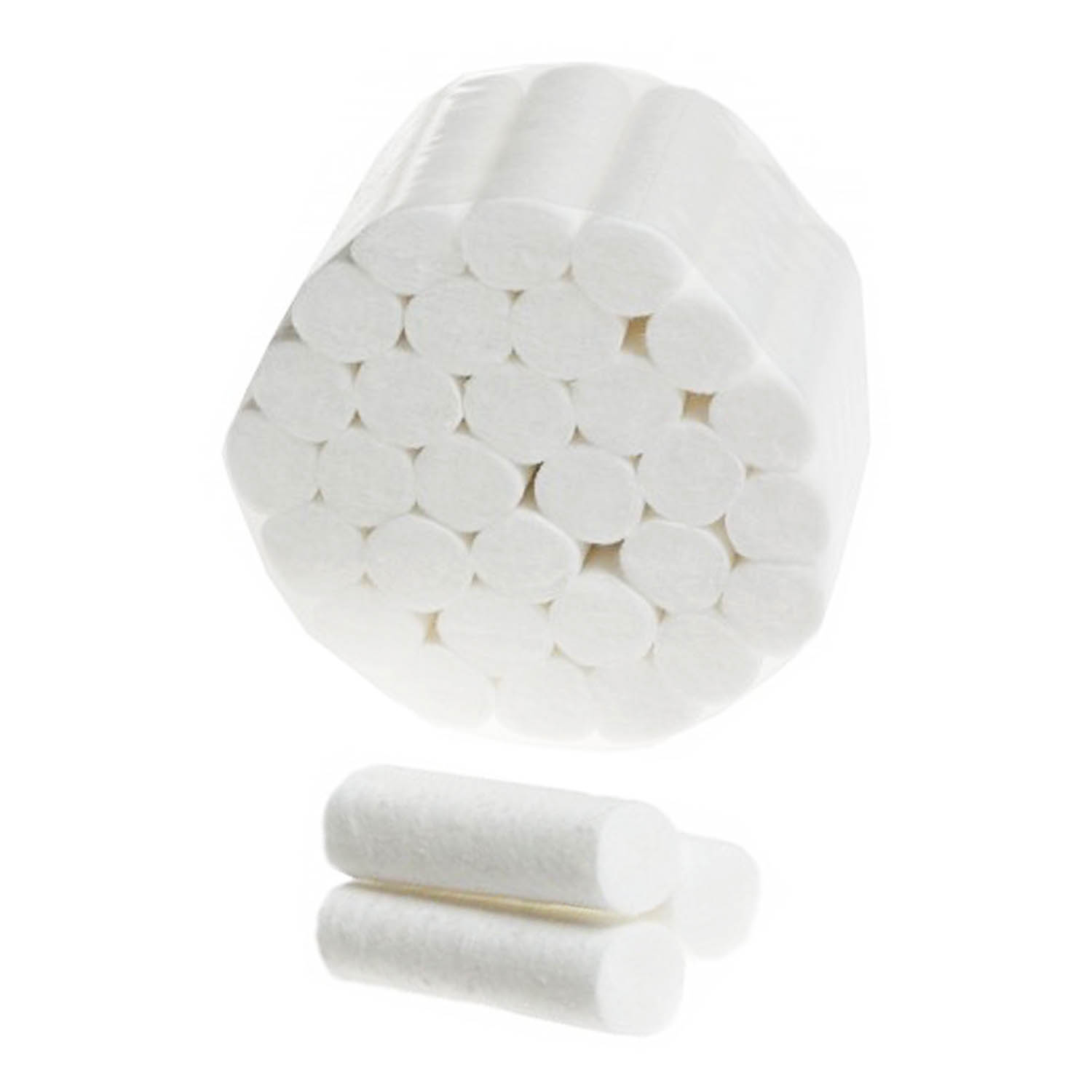
How do brand differences affect clinical outcomes?
The name on the box matters more than you might think. A reputable tulaga invests heavily in quality assurance, ensuring their materials meet strict international healthcare standards. This commitment to excellence directly impacts clinical outcomes. When a clinician uses a trusted name, they can focus entirely on the patient rather than worrying about their tools failing mid-task.
Every aspect of dental care requires precision. From routine cleanings involving dental floss to complex extractions, the materials used must be entirely dependable. It is helpful during wisdom teeth recovery, where maintaining a clean environment is critical. Poorly made materials can introduce lint or debris into sensitive areas, complicating the healing process. A strong manufacturer ensures their items are lint-free and structurally sound.
Furthermore, a trusted supplier provides proper documentation, like ISO certifications. This gives procurement managers peace of mind. Knowing that you are providing your team with top-tier materials boosts overall clinic morale. When the tools work flawlessly, the entire operation runs smoother, leading to better patient experiences and faster recovery times.
What makes the sizing widely available?
Sizing is a critical factor in the functionality of these materials. The standard 2 medium 1.5 size is the most common choice across the industry. This specific dimension strikes the perfect balance; it is large enough to handle significant moisture but compact enough to fit comfortably in most patients’ mouths without causing gagging or discomfort. Because it is the industry standard, it is produced in massive quantities, making it easy to source globally.
Clinics often keep multiple sizes on hand, from very laiti options for pediatric patients to larger ones for major tasks. Having a variety ensures that the clinician can select the exact fit needed for the specific anatomy of the patient. An improperly sized material won’t perform correctly; if it is too big, it is uncomfortable, and if it is too little, it won’t block moisture adequately.
Consider checking out our reliable Sterile dental cotton rolls 1.5 inisi le 'au for an excellent standard option. We ensure that every batch is precisely cut to exact measurements, eliminating the frustrating variations often found in lower-quality alternatives.
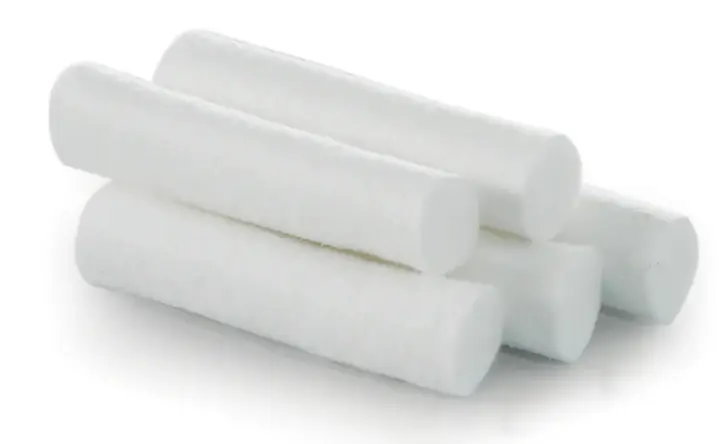
Can this product double as a nosebleed item?
Absolutely. The versatility of these materials extends far beyond the dentist’s chair. They are highly effective for managing unexpected emergencies, making them a staple in school clinics and home cabinets. A sudden nosebleed can be messy and distressing, but these dense cylinders are the perfect shape to help manage the situation quickly and neatly.
In fact, many parents specifically seek out an inch nosebleed plugs for kids because they fit perfectly into small nostrils. They work wonderfully well for both kids and adults. When you need extra absorbent blood clotting support, you can simply insert one and wait. The dense fibers expand slightly, applying gentle pressure to the vessels inside the nose while capturing the fluid efficiently.
Some schools even stock non-sterile nosebleed plugs for playground emergencies. They are fantastic nosebleed kit accessories that require zero training to use. They are also great for a Fesoasoani Muamua cabinet in any office or factory setting. Sometimes a simple dental gauze rolls cottons pads alternative is exactly what you need to handle a minor bleeding issue until it resolves. They supply every major falemai in the region with versatile, multi-use materials like these.
How does a manufacturer ensure safety?
Safety is the cornerstone of any healthcare manufacturing operation. When dealing with open wounds or sensitive mucous membranes, the introduction of bacteria is a massive risk. Therefore, leading factories employ rigorous sterilization protocols to guarantee their materials are safe for use. You want a completely safe environment, and that starts with the baseline supplies you purchase.
In any oral setting, safety is paramount. If a patient is undergoing a complex taotoga task, the risk of siama is a serious concern. To combat this, factories use ethylene oxide or gamma irradiation to ensure the materials are free of any viable microorganisms. A sterile package provides absolute confidence to the surgical team that they are not introducing pathogens into the operative site.
Talafeagai tausiga ensures patient safety across the board. We produce items like the Coton polo under strict cleanroom conditions. Even our non-sterile options undergo intense hygienic washing to remove all impurities and dust. A doctor must trust their supplies implicitly; by maintaining ISO 13485 compliance, we guarantee that every batch meets the highest global safety standards.
What customer concerns arise when materials fail?
When a basic supply fails, the ripple effects are felt throughout the clinic. One of the biggest complaints we hear from new clients who switch to us is that their previous supplies would literally fall apart. If a material loses its structural integrity when wet, it creates a massive headache. The clinician has to stop what they are doing, fish out the debris, and start over.
You need materials that firmly hold together, even when completely saturated. If you are using a material to keep a mouth dry, and it suddenly unravels, you have lost your isolation field. Furthermore, you must be gentle when removing it; if the fibers have stuck to a forming clot, pulling it away too roughly can restart bleeding. High-quality manufacturing prevents the fibers from adhering too aggressively to healing tissues.
Another major concern is chemical residue. If the bleaching process was poorly executed, trace chemicals can cause allergic reactions or a bad taste. You need to keep the workspace mama at all times, and that includes avoiding invisible chemical contaminants. A plastic tagata umi can keep things organized on the tray, but it won’t fix a fundamentally flawed material. This is why investing in premium quality is non-negotiable for serious healthcare providers.
How can finding the right sourcing on Amazon or direct impact your order?
Your sourcing strategy dictates your operational resilience. As we discussed, leaning heavily on Amazon for B2B procurement is fraught with risk. It might seem convenient, but the lack of consistency can derail your inventory management. When you place a large poloaiga, you need to know exactly what is going to show up on your loading dock.
Working directly with a proven factory changes the game entirely. You get predictable lead times, locked-in pricing structures, and customizable options. Post-operative surgery recovery requires it to be right every time. For example, if you need a specific teu configuration or custom labeling, a factory can accommodate that; a retail seller cannot. You want materials that are simply perfect for the job at hand, delivered consistently on your schedule.
Just press the issue with your current suppliers. Are they giving you the transparency you deserve? You might find that Cotton swabs and other daily consumables are much more reliable when sourced straight from the source. By optimizing your supply chain, you eliminate the stress of stockouts, ensure top-tier quality for your clinicians, and protect your organization from retail market volatility.
Autu Auta
- Prioritize Absorbency: Ia mautinoa lava le mea you choose is highly absorbent, capable of maintaining a dry environment without frequent replacements.
- Understand Sizing: The number two, medium one-and-a-half-inch size is the industry standard because it offers optimal comfort and functionality for most patients.
- Avoid Retail Pitfalls: Sourcing bulk fomai supplies from retail platforms like Amazon introduces unnecessary risk; B2B direct purchasing guarantees consistency.
- Versatility is Valuable: These items are incredibly versatile, serving as excellent plugs for kids or adults during unexpected nosebleeds or minor first aid incidents.
- Sterility Matters: For surgical or invasive procedures, always verify that your supplier provides certified, properly sterilized options to mitigate the risk of infection.
- Value Over Cost: Don’t just look for the cheapest 100-pack; evaluate the durability, purity, and cost-in-use to make truly cost-effective procurement decisions.
As a dedicated manufacturer, Huai’an ZhongXing Medical Technology Co., Ltd. is committed to helping you navigate these complex purchasing decisions. By prioritizing quality and supply chain transparency, you ensure your facilities are always prepared to deliver exceptional care.
Post time: Jun-24-2026