



In any clinical setting, from a bustling emergency room to a quiet dental office, the simple act of cleaning a wound or preparing skin for a procedure is a critical first step. The tool most often reached for is a swab. While it may seem like a basic disposable item, the technology and purpose behind it, particularly the non-woven swab, are anything but. The choice between a sterile and non-sterile swab can mean the difference between a clean healing process and a complicated infection. Understanding the properties and appropriate applications of a non-woven swab is fundamental knowledge for all healthcare professionals and medical supply managers.
A Description of the Non-Woven Swab
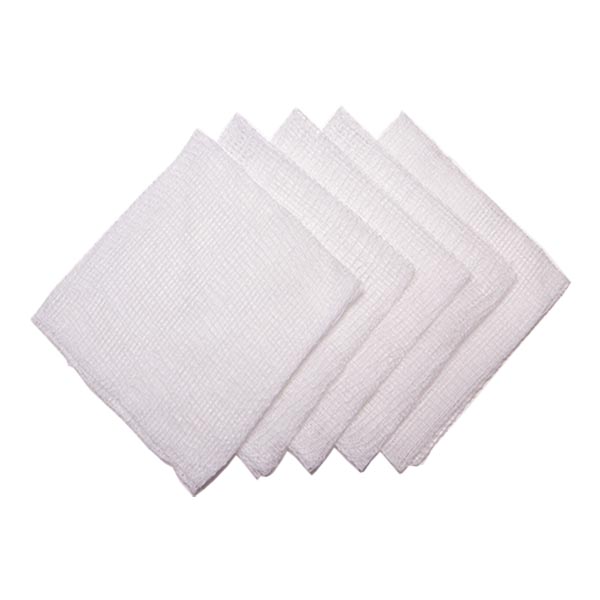
What exactly makes a swab "non-woven"? The answer lies in its construction. Unlike traditional woven gauze, which is made from cotton fibers interlaced in a crisscross weave, a non-woven swab is created by pressing or bonding fibers together. These fibers are often made from synthetic materials like polyester, rayon, or a blend. The result is a material that is exceptionally soft, virtually lint-free, and highly absorbent.
The primary advantage of the le lalagaina fabric is its superior performance in wound care. Because there is no loose weave, it does not shed fibers that could get left behind in a wound, which reduces the risk of irritation or complications. Non-woven swabs are soft and pliable, conforming easily to body contours, making them comfortable for the patient. They are engineered for high absorbency, allowing them to effectively absorb blood and wound exudate. These swabs come in a variety of sizes and thicknesses (plies) to suit different medical needs, from delicate skin cleansing to managing a heavily draining wound.
The Critical Role of a Sterile Non-Woven Swab
When the integrity of the skin is compromised, creating a sterile field is non-negotiable. A sterile non-woven swab is a single-use medical tool that has undergone a sterilization procedure to ensure it is completely free from microorganisms. It is then sealed in individual packaging to maintain this sterility until the moment of use. This is crucial for preventing infection during any procedure that involves an open wound or contact with internal tissues.
Sterile swabs are essential for a wide range of medical applications:
- Wound Cleaning: They are used to gently clean wounds with antiseptic solutions before a dressing is applied.
- Surgical Procedures: In surgical settings, they are used to absorb fluid, apply medication, and prepare the surgical site.
- Fuafuaina Aoina: A sterile swab is necessary to collect a sample from a wound, throat, or other site without introducing external contamination.
- Dressing Application: They are often used as the primary dressing placed directly onto a wound to absorb exudate and provide a protective barrier.
Using a sterile swab is a fundamental practice in modern healthcare that significantly reduces the risk of hospital-acquired infections and ensures the best possible outcome for the patient’s wound care. The effectiveness of the entire medical procedure relies on starting with a clean, sterile instrument.
When to Use a Non-Sterile Swab
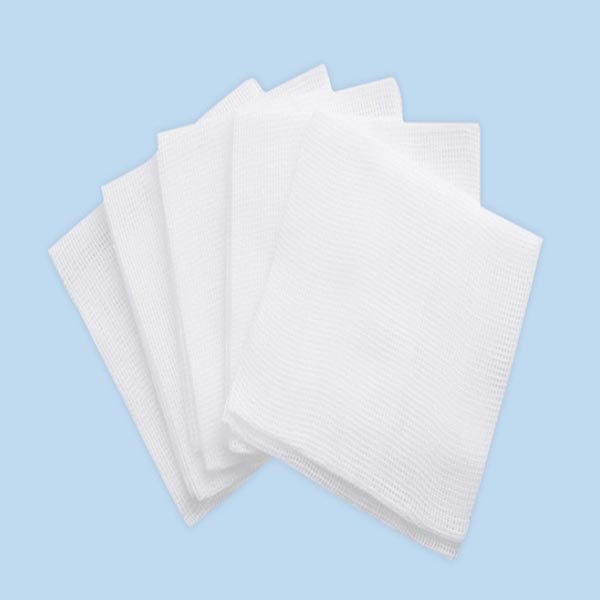
While sterility is vital for open wounds, not every medical task requires it. This is where the non-sterile non-woven swab comes in. These swabs are manufactured in a clean environment and are suitable for procedures where the risk of infection is minimal because the skin barrier is intact. A non-sterile swab offers the same excellent softness and absorbent properties as its sterile counterpart but at a lower cost, making it an economical choice for many common tasks.
Non-sterile non-woven swabs are often used for:
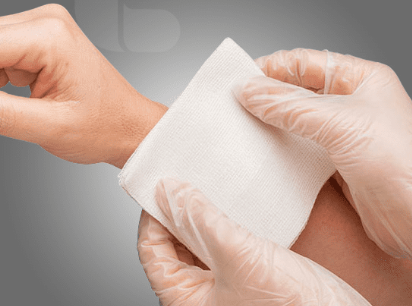
- Maea Pulea: They are perfect for wiping down skin before an injection or cleaning minor scrapes that are not deep.
- Applying Topical Medication: A clean, non-sterile swab can be used to apply creams or ointments to intact or superficially irritated skin.
- Tulaga Lua Brown: It can be used as a secondary dressing layer to add extra padding or absorbency over a primary sterile dressing.
- General Hygiene: In many healthcare settings, these swabs are used for patient hygiene procedures.
Choosing a non-sterile swab for these low-risk applications is a practical way to manage resources without compromising patient safety. It ensures the right tool is used for the right job, reserving the crucial sterile supplies for when they are truly needed.
Understanding the Importance of Sterilization
O le faagasologa o Faateai is what elevates a clean medical tool to a surgical-grade instrument. For a non-woven swab to be labeled sterile, it must undergo a validated procedure that eliminates all forms of microbial life, including bacteria, viruses, fungi, and spores. Common methods include ethylene oxide (EO) gas, gamma irradiation, or steam autoclaving. After this process, the swab is immediately sealed in specialized packaging designed to maintain its sterile barrier.
This packaging is just as crucial as the sterilization itself. It must be durable enough to protect the swab during shipping and storage but also designed to be opened easily in a clinical setting without contaminating the contents. Healthcare professionals are trained to open sterile packages in a way that ensures the swab can be removed without touching any non-sterile surface. The integrity of this system—from sterilization to packaging to proper handling—is what makes modern surgical and wound care procedures safe and effective. It’s a cornerstone of infection control in all healthcare environments. For related absorbent products like a Fomai Gaia, the same principles of sterility apply.
More on the Non-Woven Swab
The design of a non-woven swab is a perfect example of how material science has advanced medical care. Non woven swabs consist of a blend of fibers, often polyester and rayon, that are bonded together. This construction provides a unique combination of strength and softness. The swabs are soft enough to be used on the most delicate skin without causing irritation, yet durable enough to be used for wound debridement or to cleanse a surface without falling apart.
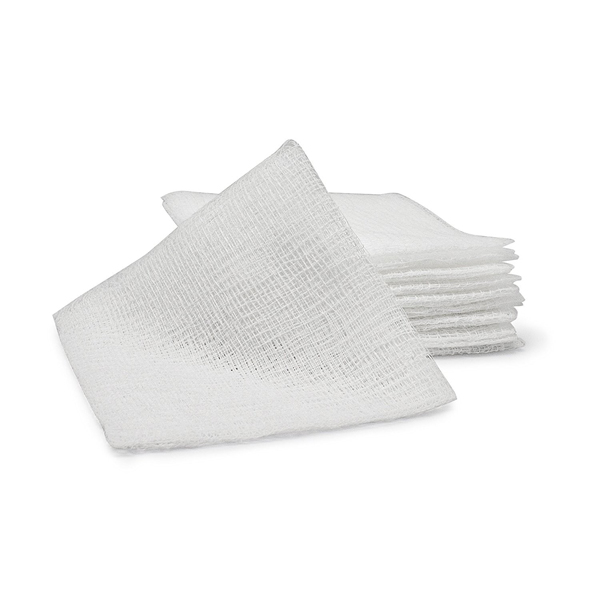
Their highly absorbent properties make them far superior to a simple cotton ball for managing fluid. A non-woven swab can quickly absorb and lock away wound exudate, which helps maintain a cleaner wound bed and protects the surrounding skin from maceration. They are available in a variety of sizes, with common sizes including 2×2, 3×3, and 4×4 inches, and can be purchased in various ply thicknesses to customize the level of absorbency needed for specific applications. Whether it’s a sterile absorbent gauze pad for a deep wound or a simple swab for cleaning, the non-woven material provides reliable performance. This makes the non-woven swab an incredibly versatile and indispensable tool in healthcare.
Autu Auta
- Construction Matters: A non-woven swab is made from pressed synthetic fibers, making it softer, more absorbent, and less likely to leave lint in a wound compared to traditional woven gauze.
- Sterile for Open Wounds: Faaaogaina pea a sterile swab for any procedure involving broken skin, surgical sites, or specimen collection to prevent infection.
- Non-Sterile for Low-Risk Tasks: A non-sterile swab is a cost-effective and suitable choice for general cleaning, applying medication to intact skin, or as a secondary dressing.
- Sterility is a System: Le lelei o le a sterile swab depends on both the sterilization process and the integrity of its protective packaging.
- Superior Performance: Due to their high absorbency and softness, non-woven swabs are a versatile and essential tool for a wide range of medical and wound care procedures.
Post time: Dec-24-2025