



Walking through the corridors of a busy hospital, you are greeted by a sea of uniforms. Among the scrubs and gowns, headwear stands out. You might spot a pediatric nurse wearing a bright, cartoon-patterned hat, while just down the hall, a surgical team rushes by in uniform blue, disposable head coverings. For a procurement manager or a medical distributor, these aren’t just fashion choices. They represent two distinct categories of medical protection. Understanding the distinction between a scrub cap and a surgical cap is vital for maintaining hygiene protocols, ensuring staff comfort, and managing budgets effectively. This guide will break down the Oloa taua simply, helping you choose the right mea for your facility.
What Exactly is a Scrub Cap and Who Wears It?
A charub pulou is primarily a piece of headwear designed to keep hair secure and off the face. While it serves a hygienic purpose, the modern charub pulou has also become a way for medical staff to express a bit of personality in an otherwise sterile environment. You will often see a teine tausimai, doctor, or technician wearing a charub pulou made of ie with interesting prints or specific colors.
O le auvae o loʻo ofuina e masani ai by healthcare professionals not involved in invasive surgeries but who still need to maintain a clean appearance. They are common in ICU wards, dental clinics, and during patient consultations. Because many are made of ie, they are toe fuaina, soft, ma comfortable for long shifts. The design often resembles a beanie or a bonnet that ties at the back. While they ufi le lauulu, the primary goal of a cloth charub pulou is often comfort and hair containment rather than total microbial exclusion.
The Surgical Cap: Designed for the Operating Room
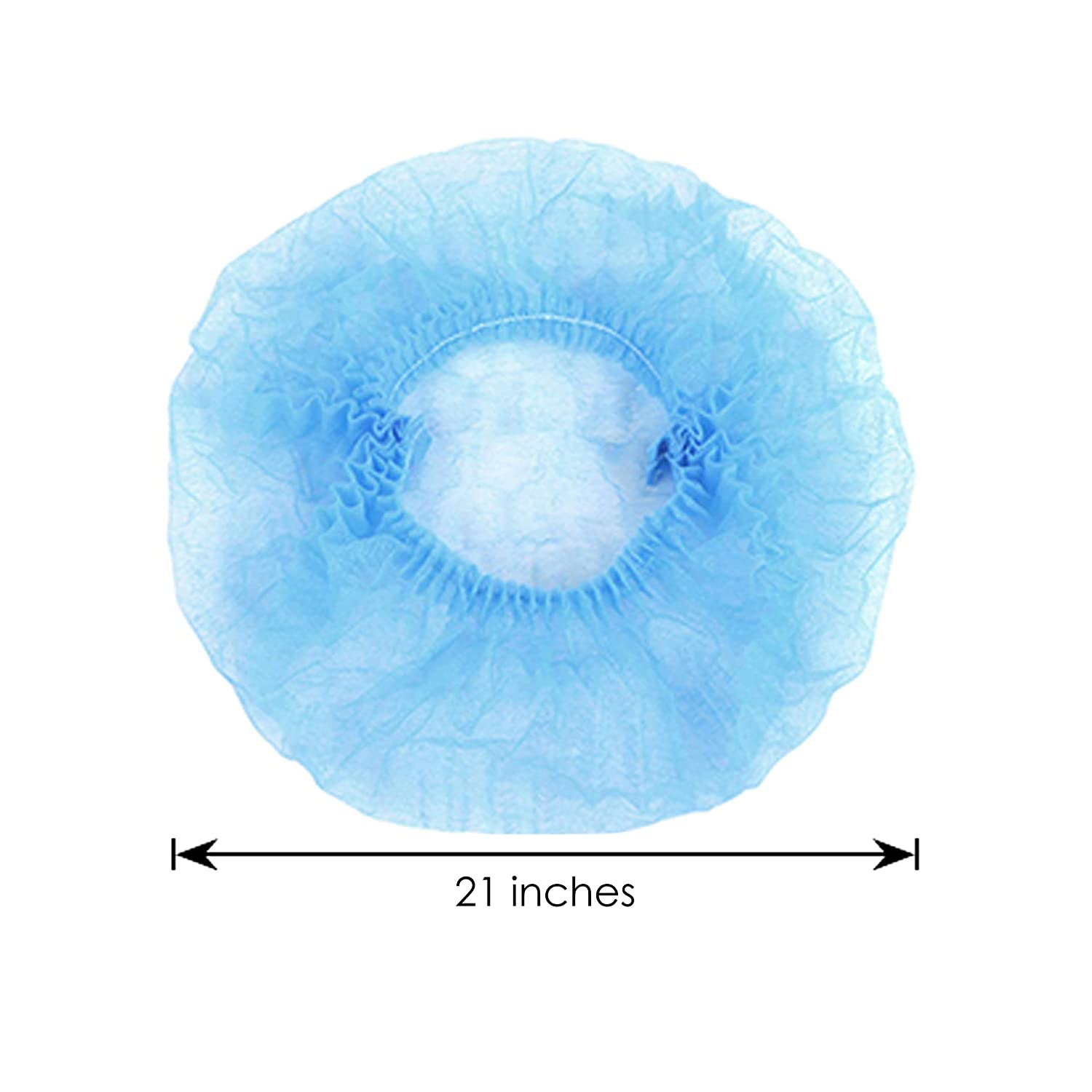
In contrast, a porinacal pulou is strictly functional. O le Simirate Caps e ofuina specifically within the Le potu galue (OR) or other sterile environments. The primary role of a porinacal pulou is to prevent potential contaminants, such as hair or skin flakes, from falling into a sterile field or an open wound. This is critical for onosaʻi safety during surgery.
Most tiggical pulou e lē talafeagai. They are typically made from lightweight, non-woven fabrics that are breathable yet provide a barrier. Unlike the personalized charub pulou, a porinacal pulou is usually a solid lanu, like blue or green, to reduce glare under bright surgical lights. A fomai tipitipi relies on the porinacal pulou to provide total inisiua. O taimi nei e masani ona fuafuaina to cover not just the top of the head, but also the sideburns and the nape of the neck to ensure maximum susunuina.
Scrub Caps and Surgical Caps: Analyzing the Design Differences
When you compare scrub caps and surgical caps, o le design variations become obvious. The usage and design dictating their construction are based on risk levels. A charub pulou might have an open back or a simple tie to secure a ponytail. It is often a "one size fits most" pulou made of ie.
Le porinacal pulou, however, often prioritizes a secure seal. Many feature a lē nafa style or an elastic band that ensures all lauulu is tucked away completely. The lē nafa design is particularly important for staff with long lauulu, as it offers more volume to keep hair contained without being too tight. Another common porinacal pulou style is the hood, which covers the head, ears, and neck, offering a higher level of puipuiga nai lo le masani charub pulou.

Material Matters: Cotton vs. Disposable Non-Woven
One of the differences between scrub caps and surgical caps lies in the material. A cloth charub pulou is usually made from ie pe a ie-polyester blend. This makes the charub pulou very mānava ma le comfortable mo a teine tausimai working a 12-hour shift. Since they are toe fuaina, they can be taken home and tossed in the wash.
On the other hand, disposable caps are especially useful in high-infection risk zones. A porinacal pulou is manufactured from spun-bound plastics (non-woven). This material is fluid-resistant. If blood or other fluids splash during surgery, o le porinacal pulou Puipuia le fomai tipitipi better than a soaking wet ie pulou. Ma le isi, Filifiliga Filifilia eliminate the need for laundry logistics. You wear the porinacal pulou once, and then you discard it. This single-use protocol is standard for tiggical pulou to prevent cross-contamination.
Hygiene and Sterility: Why Surgical Caps are Typically Designed for Single-Use
Susunuina is the watchword in the Le potu galue. This is where the scrub cap vs porinacal pulou debate ends, and strict protocol begins. Designed for single-use to maintain a sterile environment, the disposable porinacal pulou comes out of a clean dispenser and goes straight into the trash after the procedure.
Ao a ie charub pulou can be washed, there is always a risk that it wasn’t cleaned at a high enough temperature to kill all bacteria. In a general ward, this is acceptable. But in surgery, it is a risk not worth taking. Maintaining hygiene and preventing cross-contamination is easier with a product you throw away. Tiggical pulou ensure that every doctor entering the OR starts with a fresh, clean slate. For professionals not involved in surgeries, the strict sterility of a disposable porinacal pulou might be overkill, which is why they opt for the charub pulou.
The Bouffant Style vs. The Beanie: Which Offers Better Coverage?
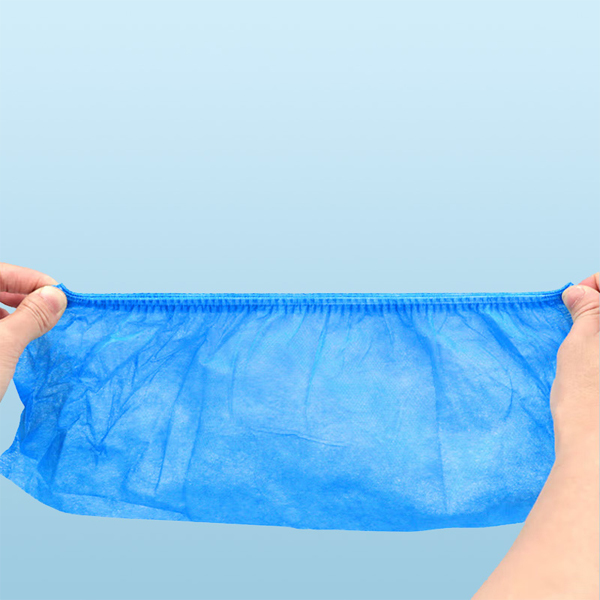
Let’s talk about shape. The beanie style is a common profile for a charub pulou. It sits close to the head and looks a bit like a culinary cap. It is great for short hair but can be a struggle for those with long locks.
Le lē nafa style, often seen in both scrub caps and surgical caps, is bigger. It looks like a puffy chef’s hat. This design is crucial for anyone with voluminous hair. A lē nafa porinacal pulou ensures that no stray hairs escape. Some tiggical pulou combine elements, offering a snug fit around the muaulu with a loose back to cover the hair. Whether it is a charub pulou pe a porinacal pulou, the goal is to ufi the head, but the lē nafa offers superior containment for the Le potu galue.
Differences Between Scrub Caps and Surgical Caps in Usage and Protocol
Le Eseese eseesega pepelo in the hospital protocol. Healthcare administrators set strict rules on where you can wear what. Usually, a charub pulou brought from home is not allowed inside the sterile core of the surgery department unless it is covered by a lē nafa porinacal pulou.
In the hallways, at the teine tausimai station, or in the cafeteria, the charub pulou is ubiquitous. It identifies the wearer as fomai staff. However, once that staff member crosses the red line into the surgical suite, the charub pulou must usually be swapped for or covered by a disposable porinacal pulou. Le porinacal pulou is a piece of Personal Protective Equipment (PPE), much like a Masini faafoliga foliga foliga, whereas the charub pulou is often considered part of the uniform.
How to Choose the Right Cap for Your Medical Staff
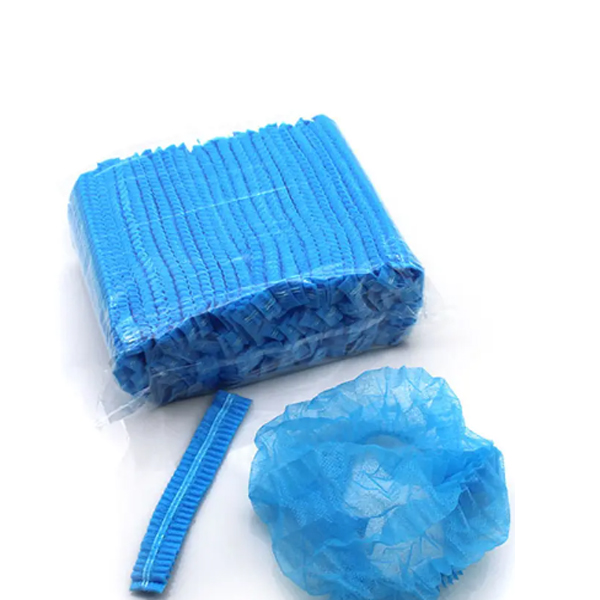
For procurement managers, choosing between stocking a charub pulou pe a porinacal pulou depends on your departments. For your surgical teams, you must invest in high-quality, lē talafeagai medical hair caps. Look for a porinacal pulou that is lightweight, breathable, and provides full ear and hair inisiua.
For your general falemai staff, allowing the use of a toe fuaina charub pulou can boost morale. Scrub caps come in endless patterns—from flowers to superheroes—making the falemai environment feel less intimidating for a onosaʻi. However, you should still stock disposable lē nafa caps for visitors or for staff who forget their pulou. Le right cap paleni saogalemu ma le comfort.
Cleaning and Maintenance: How to Wash and Protect Your Headwear
If your facility allows reusable headwear, you need a policy on how to mama them. A ie charub pulou should be washed in hot water with detergent to ensure it is sanitary. Staff should be educated not to wear their charub pulou outside the falemai to avoid bringing allergens or dirt in from the street.
For the porinacal pulou, "maintenance" is simple: disposal. Never try to wash or reuse a disposable porinacal pulou. The fibers degrade, and the protective barrier fails. To protect the integrity of the Le potu galue, o le porinacal pulou must be single-use. The distinction between a cloth cap and a surgical cap often comes down to this lifecycle: one is maintained, the other is replaced.
Ensuring Patient Safety and Staff Comfort
Ultimately, both the charub pulou ma le porinacal pulou share a common Faamoemoega: saogalemu and hygiene. Whether it is a colorful charub pulou cheering up a sick child or a sterile porinacal pulou protecting a patient during a heart bypass, both are essential tools in medicine.
Le charub pulou offers a comfortable design and a touch of humanity for healthcare professionals not involved in sterile procedures. The porinacal pulou offers the rigorous puipuiga ma le susunuina required for invasive medicine. By understanding the differences between scrub caps and surgical caps, you can ensure your falemai is equipped to keep both staff ma le patients safe.
Autu Auta
- Tulaga Peraimeri: A porinacal pulou is for susunuina i le Le potu galue; a charub pulou is for general hygiene and comfort in other areas.
- Mea: Charub caps e masani ie ma le toe fuaina; tiggical pulou are usually lē talafeagai non-woven fabric.
- Design: Tiggical pulou prioritize full coverage (often lē nafa); charub caps can be fitted beanies pe tie-backs.
- User: Fomai tipitipi laei tiggical pulou; nurses and ward doctors often wear charub caps.
- Saogalemu: Tiggical pulou e designed for single-use to maintain infection control; charub caps must be washed regularly.
- Variety: Charub caps e colorful and expressive; tiggical pulou are standard functional colors (blue/green).
Post time: Jan-09-2026