



When bleeding happens, the bandage is only part of the solution. The most important first aid action is firm, direct pressure on the wound. A suitable bandage or dressing helps absorb blood, protect the injury, support clot formation, and hold pressure in place until the bleeding slows or professional medical help arrives.
For minor cuts, a simple adhesive bandage may be enough. For heavier bleeding, gauze pads, pressure dressings, trauma pads, elastic bandages, or hemostatic dressings may be needed. In medical supply selection, products such as an Anti-Blood Penetration Pad can help provide an absorbent protective layer designed to reduce blood seepage through the dressing surface.
Bleeding Control Starts With Pressure
A bandage does not “magically” stop bleeding by itself. It works best when used with direct pressure. For most external wounds, the first step is to place a clean dressing over the bleeding area and press firmly.
If the bleeding is severe, continuous, spurting, or does not slow with pressure, emergency medical help should be called immediately. For life-threatening bleeding from an arm or leg, a tourniquet may be required when properly available and used by someone trained to do so.
For everyday first aid, the goal is simple: cover the wound, apply pressure, keep the dressing in place, and monitor for continued bleeding.
Adhesive Bandages for Small Cuts
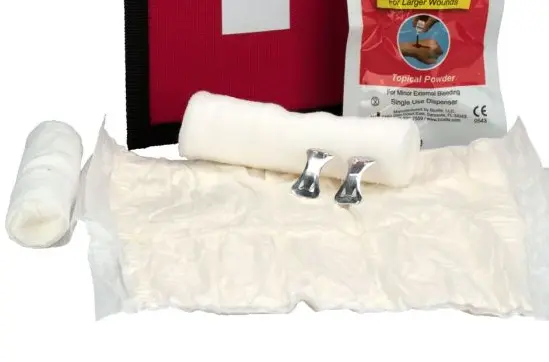
Adhesive bandages are best for small cuts, scratches, and minor bleeding. They usually include a small absorbent pad attached to adhesive strips.
They are useful for:
- Paper cuts
- Small kitchen cuts
- Minor scrapes
- Light bleeding
- Fingertip injuries
- Small workplace wounds
Adhesive bandages are convenient, but they are not designed for heavy bleeding. If blood quickly soaks through, a larger dressing and stronger pressure method may be needed.
Sterile Gauze Pads
Sterile gauze pads are one of the most common first aid dressings. They can absorb blood, cover the wound, and provide a clean surface for pressure.
Gauze pads are useful because they come in many sizes and can be layered when needed. For better control, gauze is often held in place with medical tape, cohesive wrap, or a roller bandage.
For deeper or more serious wounds, wound packing should only be done by people trained in bleeding control.
Pressure Bandages
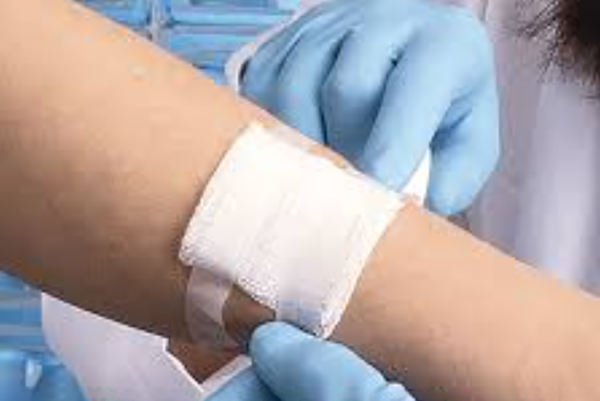
Pressure bandages are designed to hold firm pressure over a wound. They usually combine an absorbent pad with an elastic or wrap-style bandage.
They are commonly used for:
- Moderate bleeding
- Workplace injuries
- Outdoor first aid kits
- Emergency response kits
- Sports injuries
- Field care situations
A pressure bandage should be snug enough to maintain pressure, but not so tight that it cuts off circulation unless it is a tourniquet designed for that purpose. Fingers or toes beyond the bandage should be checked for color, warmth, sensation, and movement.
Trauma Pads for Heavy Bleeding
Trauma pads are large absorbent dressings used when there is more blood than a standard gauze pad can manage. They are often included in emergency kits, workplace first aid stations, vehicles, and industrial safety supplies.
A trauma pad provides more coverage and absorption, making it useful for larger wounds. It can be held in place with a roller bandage or elastic wrap while pressure is maintained.
Products such as an Anti-Blood Penetration Pad may be selected when buyers need a pad designed to absorb fluid while helping reduce strike-through, which is the movement of blood through the dressing layer.
Hemostatic Dressings
Hemostatic dressings are specialized products designed to help support clotting. They are often used in emergency bleeding control kits and may be helpful for severe bleeding when direct pressure alone is not enough.
These dressings should be used according to product instructions and training. They are not ordinary household bandages, and they are usually intended for serious bleeding situations where fast control is important.
Roller Bandages and Elastic Wraps
A roller bandage does not usually absorb much blood by itself. Its main job is to secure a dressing and maintain pressure.
Elastic wraps can help hold gauze or pads in place, especially around arms, legs, hands, or feet. They are useful because they conform to body shape and can be adjusted.
However, wraps should not be applied too tightly. Excess pressure can reduce circulation and create additional injury.
Non-Adherent Pads
Non-adherent pads are designed to cover wounds without sticking strongly to the injured tissue. They are helpful when a dressing must be changed later without disturbing the wound surface too much.
They are useful for:
- Abrasions
- Burns
- Healing cuts
- Sensitive wounds
- Areas where dressing changes are expected
For active bleeding, a non-adherent pad may need to be combined with gauze or a pressure wrap.
What Is an Anti-Blood Penetration Pad?
An Anti-Blood Penetration Pad is a medical dressing pad designed to help absorb blood and reduce the risk of blood passing through the outer layer of the dressing. In first aid and medical supply use, this type of pad may help improve cleanliness, handling, and protection during wound coverage.
When evaluating this type of product, buyers should consider:
- Absorbency
- Pad size
- Surface softness
- Fluid barrier performance
- Breathability
- Sterility
- Packaging integrity
- Intended use
- Compatibility with wraps or tape
- Comfort against skin
It is important to understand that an anti-blood penetration design supports wound care management, but severe bleeding still requires firm pressure and urgent medical response.
Choosing the Right Bandage for the Situation
A practical first aid kit should include more than one type of dressing. Different wounds need different products.
For minor bleeding, adhesive bandages may be enough. For moderate bleeding, sterile gauze and roller bandages are more useful. For heavier bleeding, trauma pads, pressure dressings, and emergency bleeding control supplies may be needed.
A well-prepared kit may include:
- Adhesive bandages
- Sterile gauze pads
- Roller bandages
- Elastic wraps
- Trauma pads
- Medical tape
- Disposable gloves
- Antiseptic wipes
- Hemostatic dressing where appropriate
- Emergency instructions
For workplaces, clinics, schools, factories, and outdoor teams, first aid supplies should match the injury risks of the environment.
When to Seek Emergency Help
Emergency help should be called if:
- Bleeding is severe or spurting
- Blood soaks through dressings quickly
- Bleeding does not slow with firm pressure
- The wound is deep or large
- There is an embedded object
- The person shows signs of shock
- The injury involves the head, neck, chest, abdomen, or major limb wound
- The wound was caused by serious trauma
- There is loss of consciousness or breathing difficulty
Bandages support first aid, but they do not replace professional medical care.
Conclusion
The kind of bandage that can help stop bleeding depends on the wound. Small cuts may only need adhesive bandages. Moderate bleeding may require sterile gauze and a roller bandage. Heavy bleeding may require trauma pads, pressure dressings, hemostatic dressings, or emergency bleeding control supplies.
An Anti-Blood Penetration Pad can help provide absorbency and reduce blood strike-through in wound care applications, but the most important bleeding control method remains firm direct pressure and timely medical help when needed. Choosing the right dressing improves first aid readiness, workplace safety, and emergency response quality.
For medical dressing and first aid product information, visit Medical ZX.
Post time: Aug-21-2026