



Imagine opening a first aid kit or walking into a trauma room. What is the one item you are guaranteed to find? It isn’t a high-tech laser or a complex machine; it is the humble white cylinder of fabric. This foundational tool, ubiquitous in every healthcare setting from a school nurse’s office to a combat zone, is the backbone of acute injury management. While it might seem simple, the engineering and material science behind a high-quality absorbent wrap are specific and vital for patient recovery. For procurement managers and healthcare distributors, understanding the nuances of this product is key to maintaining a safe and efficient medical environment.
A Detailed Description of the Standard Cotton Bandage
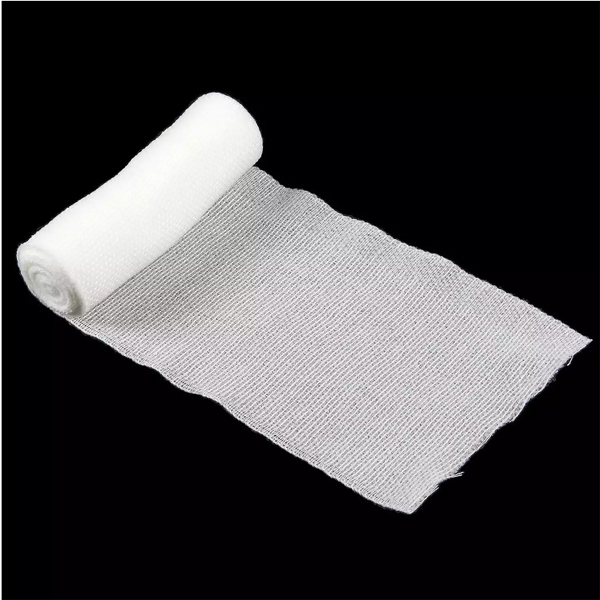
When we look at the product description of a standard bandage, we are looking at a legacy of medical care. A classic medical roll is typically crafted from 100% pure cotton. This choice of material is not arbitrary. Cotton is naturally soft, breathable, and highly absorbent, making it the ideal interface for damaged skin. The weave is designed to provide a degree of stretch and conformity without restricting blood flow, allowing the roll to wrap securely around limbs, joints, and difficult contours of the body.
The standard for these rolls involves a specific thread count and weight. A high quality roll will not fray easily upon cutting and maintains its structural integrity even when saturated. This durability is essential because the bandage serves as both a protective barrier and a mechanism to hold a primary dressing in place. Whether it is a Medical Grade Soft Roll Bandage or a crinkle-weave variety, the fundamental goal remains the same: to provide a stable, clean environment for healing.
Why a Sterile Product is Critical for Surgical Success
In a surgical setting, the margin for error is non-existent. This is why the sterile status of a medical roll is non-negotiable for invasive procedures. Sterilization ensures that the product is free from bacteria, viruses, and spores that could cause post-operative infections. When a surgeon or medical personnel opens a package in the operating theater, they rely on that sterility to maintain the aseptic field.
While bulk non-sterile rolls are useful for secondary retention or splinting over intact skin, any material touching a surgical incision or an open wound must be sterile. The packaging is designed to be peeled open quickly and efficiently, allowing the roll to be passed to the sterile team without contamination. This reliability is a cornerstone of modern medical gauze bandage protocols.
Wound Care and the Importance of the Right Dressing
Effective wound care is a multi-step process, and the roll plays a supporting but pivotal role. The primary dressing is placed directly on the injury to facilitate clotting or absorption. The gauze roll is then applied over this to secure it. This layering technique ensures that the primary dressing remains in contact with the wound bed while the outer roll absorbs any strike-through exudate.
If the bandage is too loose, the dressing slips, exposing the wound to pathogens. If it is too tight, it can compromise circulation. A well-manufactured roll offers the right amount of elasticity and grip, making it easy for the nurse or doctor to apply the correct amount of tension. This balance is crucial for optimizing the healing environment and ensuring the patient remains safe during recovery.
Managing Supply: Keeping Your Office Stocked
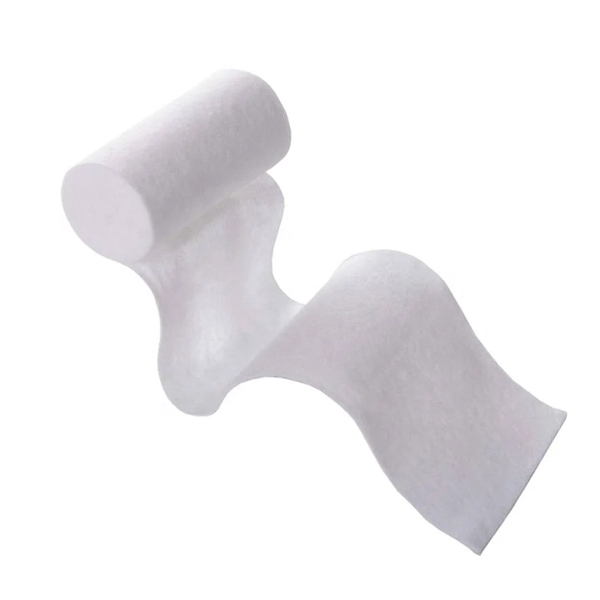
For a clinic or private office, running out of consumables is a logistical nightmare. Managing the supply of medical rolls requires forecasting and finding a reliable partner. Procurement managers often look to shop for these items in large quantities to ensure they never face a shortage during an emergency. The roll is a high-turnover item; it is used daily for everything from securing IV lines to wrapping sprained ankles.
Keeping a consistent stock of various types of rolls—different widths, sterile and non-sterile—ensures that the office is prepared for any patient scenario. A reliable supply chain guarantees that the business can continue to operate smoothly without interruptions in patient care.
Latex-Free Options: A Reliable Choice
In today’s healthcare landscape, allergies are a significant concern. Latex sensitivity can cause severe reactions in both the patient and the healthcare provider. Therefore, sourcing a reliable latex-free roll is a priority for most institutions. Modern manufacturing techniques allow for the production of elastic and cohesive bandages that are completely synthetic or cotton-based, eliminating the risk of anaphylaxis or contact dermatitis associated with natural rubber latex.
Using latex-free products as a standard practice simplifies inventory management. You do not need to check a patient’s chart for an allergy alert before grabbing a roll from the shelf. It makes the workflow safer and faster, ensuring that the medical team can focus on treatment rather than allergy prevention protocols.
Moisture Management and Absorbent Capabilities
One of the key functions of a gauze roll is moisture management. Wounds produce exudate, and if this fluid accumulates, it can macerate the skin and breed bacteria. A high-quality roll is highly absorbent, wicking moisture away from the wound site and into the secondary layers of the bandage.
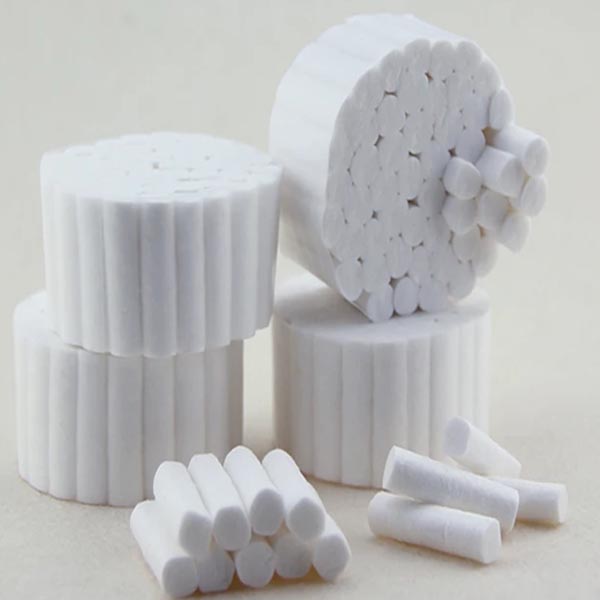
This wicking action also helps regulate the temperature around the injury. By keeping the area relatively dry and breathable, the roll helps prevent the growth of anaerobic bacteria. Whether using a dental cotton roll for oral procedures or a large gauze roll for a leg ulcer, the ability to manage fluids is a defining characteristic of a superior product.
Comfortable Design for Maximum Recovery
A patient may have to wear a bandage for days or even weeks. Therefore, a comfortable design is essential for compliance and quality of life. A stiff or scratchy roll can cause chafing and irritation, leading the patient to tamper with or remove the dressing prematurely.
Top-tier manufacturers focus on the softness of the weave. A comfortable roll conforms to the body’s movement without bunching up. It should feel light on the skin while providing maximum support. This focus on design ensures that the healing process is as unobtrusive as possible for the person on the mend.
New Innovations in Medical Roll Technology
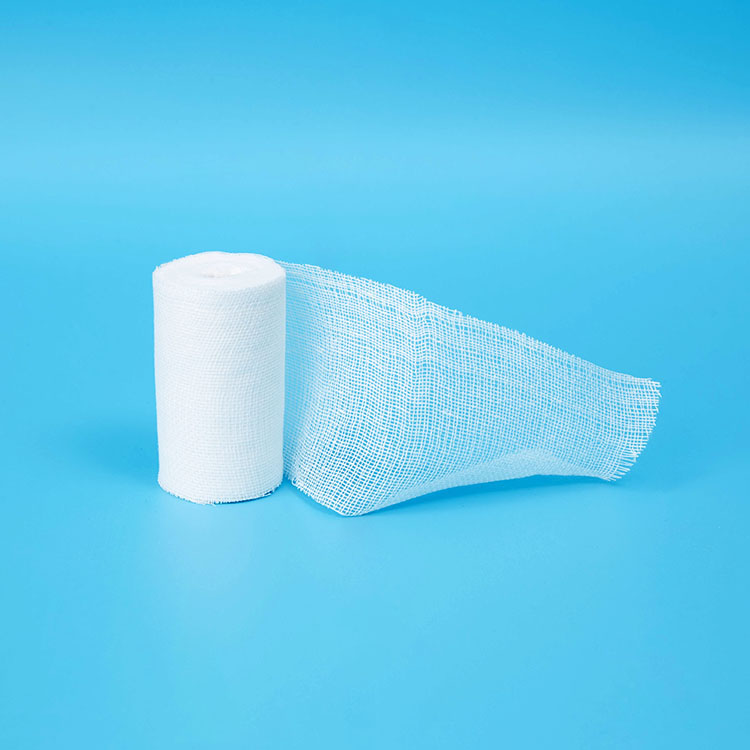
The field of medical consumables is not stagnant. New technologies are constantly improving the humble roll. We are seeing the integration of antimicrobial coatings directly into the fabric to fight infection actively. There are also self-adhering layers that eliminate the need for clips or tape, making the application process faster and easier for the hand of the practitioner.
These innovations aim to improve clinical outcomes and reduce the time required for dressing changes. Staying updated on these new developments allows a business to offer the best care possible and stay competitive in the market.
How to Shop for the Best Products for Your Business
When you are ready to shop for your medical supplies, look for a store or supplier that understands the technical specifications of their product. You want a roll that tears cleanly by hand, unrolls smoothly, and holds its shape.
Consider the needs of your specific facility. An urgent care center might need a high volume of sterile medical gauze bandage rolls, while a sports medicine clinic might prioritize elastic compression rolls. Finding a supplier with a diverse catalog allows you to source everything in one place, streamlining your procurement process.
Key Takeaways
- Standardization: A standard cotton roll provides breathable, absorbent protection for various injuries.
- Sterility: Sterile options are mandatory for surgical and open-wound applications to prevent infection.
- Supply Chain: Keeping a robust supply in your office prevents disruptions in care.
- Safety: Latex-free options are the reliable choice to avoid allergic reactions.
- Function: Effective moisture management and a comfortable design promote faster healing.
- Procurement: Choose a supplier that offers easy ordering and consistent quality.
Post time: Jan-22-2026