



The world of healthcare relies on a hidden web of moving parts. This web is the global supply chain. It moves items from factory floors to hospital rooms. When it works, nobody notices. But when it breaks, the consequences of medical delays are severe. Doctors cannot perform surgeries without clean tools. Nurses cannot protect themselves without masks.
In this article, we will talk about how to protect your hospital or clinic. We will look at why a shortage happens and how to stop it. We will explore the medical product supply chain and learn how to keep your shelves full. If you buy medical supplies for a living, this guide is for you. Building a strong healthcare supply chain is the best way to save lives and save money.
What are the root causes of a medical supply chain disruption?
To fix a broken system, we must first look at the root causes. The journey of a medical device is long and complex. A supply chain disruption happens when one small link in the chain snaps. Sometimes, the problem is a simple supply and demand issue. A sudden illness spreads, and suddenly everyone needs the exact same medical products. The factories simply cannot work fast enough to meet this massive global demand.
Other times, geopolitical tensions block the roads. Countries may argue and close their borders. Ships get stuck at the docks. This leads to a massive delay in shipping. Furthermore, labor shortages at ports mean there are no workers to unload the ships. Without workers, the boxes sit in the sun for weeks. Buyers experience shortages when they do not plan for these bumps in the road.
We also see problems with the raw materials themselves. If a factory cannot get plastic, it cannot make tubes. Causes of shortages are rarely simple. They are usually a mix of bad weather, closed borders, and high demand. Every supply chain faces these issues. But a smart buyer watches the news. They track the supply chain data to spot a disruption before it ruins their day.

How do supply shortages of raw materials impact the production of medical products?
You cannot build a house without wood. The same rule applies here. Shortages of raw materials stop factories in their tracks. Whether a factory needs pure cotton for swabs or special metal for blades, the supply of raw materials must be steady. If a boat carrying cotton is late, the factory must turn off its machines. This means they cannot make medical goods on time.
These supply shortages are a huge headache. They deeply disrupt the manufacturing facilities. Many companies have a heavy reliance on foreign materials. If one country decides to keep its cotton, the entire supply chain feels the pain. The manufacturers’ supply dries up fast. This lack of basic parts directly hurts the production of medical tools that clinics desperately need.
To fight this, factories must buy extra materials ahead of time. A single disruption in transportation can delay a shipment of plastic for a month. If the factory has backup plastic, they can keep working. If not, they have to wait. This is why checking your supplier is so vital. You must ask them where they get their raw parts. If they only have one source, you might face a shortage very soon.
What are the consequences of medical supply shortages on patient care?
When a hospital runs out of tools, the patients are the ones who get hurt. The consequences of medical tool delays are scary. Shortages can have devastating impacts on human lives. Imagine a doctor getting ready for surgery, only to find out there is a shortage of clean thread. They cannot operate. A simple delay can put a person’s life in danger.
Patient care always depends on having the right tools. We must protect patient safety above all else. Without essential medical supplies, infections spread. Wounds do not heal well. The delivery of emergency supplies is the heartbeat of a good hospital. If an ambulance lacks bandages, the crew cannot stop the bleeding.
We must understand that these are not just boxes in a warehouse. These are critical medical items. Shortages that could delay a simple procedure often lead to worse health outcomes. Because of this, hospitals must treat their supply chain like a lifeline. Keeping a steady flow of items is the only way to ensure top-notch patient care every single day.
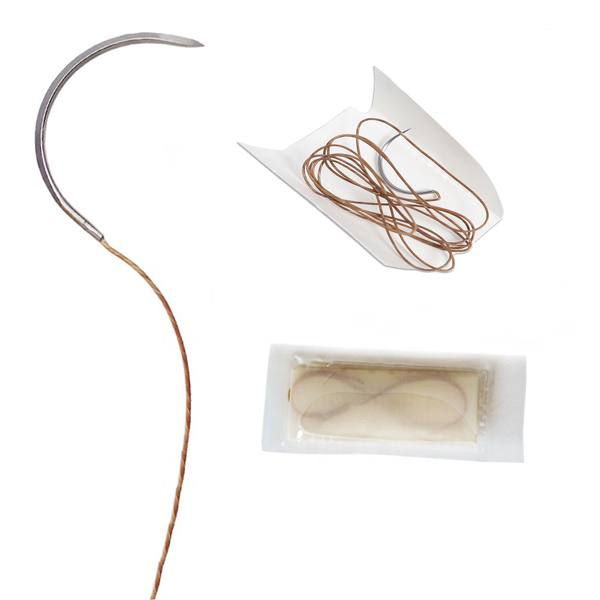
For example, high-quality wound care requires sterile tools. You can find top-tier sterile suture with needle products that are vital for emergency rooms.
How did the COVID-19 pandemic expose healthcare supply chain vulnerabilities?
The year 2020 changed everything. The COVID-19 pandemic was a massive shock to the world. Almost overnight, the demand for personal protective equipment exploded. Everyone wanted masks and gowns. The pandemic showed us deep supply chain vulnerabilities. Factories could not print boxes fast enough. The PPE supply crashed, leaving nurses without basic protection.
This global event caused blind panic. Shortages led to crazy price spikes and hoarding. The disruptions caused fear in clinics throughout the United States. We saw America’s medical network pushed to its absolute breaking point. A supply chain disruption on this scale had never happened before. It proved that a "just-in-time" delivery model is too risky for health.
The COVID-19 pandemic taught us a hard lesson. We cannot wait for a crisis to buy what we need. Hospitals learned they must keep emergency stockpiles. They started buying extra medical surgical face mask supplies to store in warehouses. The healthcare supply chain is now forever changed because of those scary months.
How do import and export regulations and the impact of tariffs on healthcare affect lead times?
Moving boxes across borders is not easy. Import and export regulations create a lot of paperwork. Every single box of medical products must be checked. The Food and Drug Administration (FDA) or similar groups look at the items to ensure they are safe. Strict regulatory requirements mean that a simple box of gloves might sit in customs for weeks. This regulatory check is good for safety, but it causes a big delay.
Money is also a big factor. Trade restrictions often include taxes. The impact of tariffs on healthcare is very real. Tariffs drive up labor costs and cause massive price increases. When items cost more to bring into a country, buyers hesitate. These policy shifts change the way hospitals spend their budgets.
When you add taxes and paperwork together, your lead times grow longer. The movement of supplies slows down to a crawl. A smart buyer knows this. They order their medical supplies weeks or even months in advance. They read the news to catch any new regulatory changes before they happen. Planning ahead is the only way to beat the paperwork trap.
What mitigation strategies help maintain a consistent supply of critical medical products?
You cannot control the weather, but you can build a strong roof. This is what mitigation strategies are all about. To maintain a consistent supply, a clinic must have a backup plan. Good contingency plans save the day when the primary supply chain fails. If Factory A floods, you must have Factory B ready to ship your goods.
The best defense is smart inventory management. Keeping a buffer stock of medical supplies is crucial. You want to ensure the continuity of supply at all times. When a global problem hits, medical device manufacturers gain trust by tapping into their safety stock to help clients. This proves they are a reliable supplier.
- Keep a 30-day emergency supply of basic items.
- Track your stock daily using simple software.
- Talk to your supplier every week to check for any hidden supply chain issues.
By following these simple steps, you keep the shelves full. You protect the supply chain from sudden shocks. It takes work, but the peace of mind is worth it.
How can diversifying your supplier source prevent medical device shortages?
Do not put all your eggs in one basket. Relying on just one supplier is very risky. If they have a fire, you have nothing. You must diversify your source of goods. By using multiple factories, you protect your medical device flow. If one stops, the others keep moving.
Many buyers suffer from a total reliance on foreign manufacturing. If a port closes halfway around the world, they are stuck. To lower the risk of disruptions, you should buy from different regions. Mix global partners with local ones. This makes the global medical supply network much stronger.
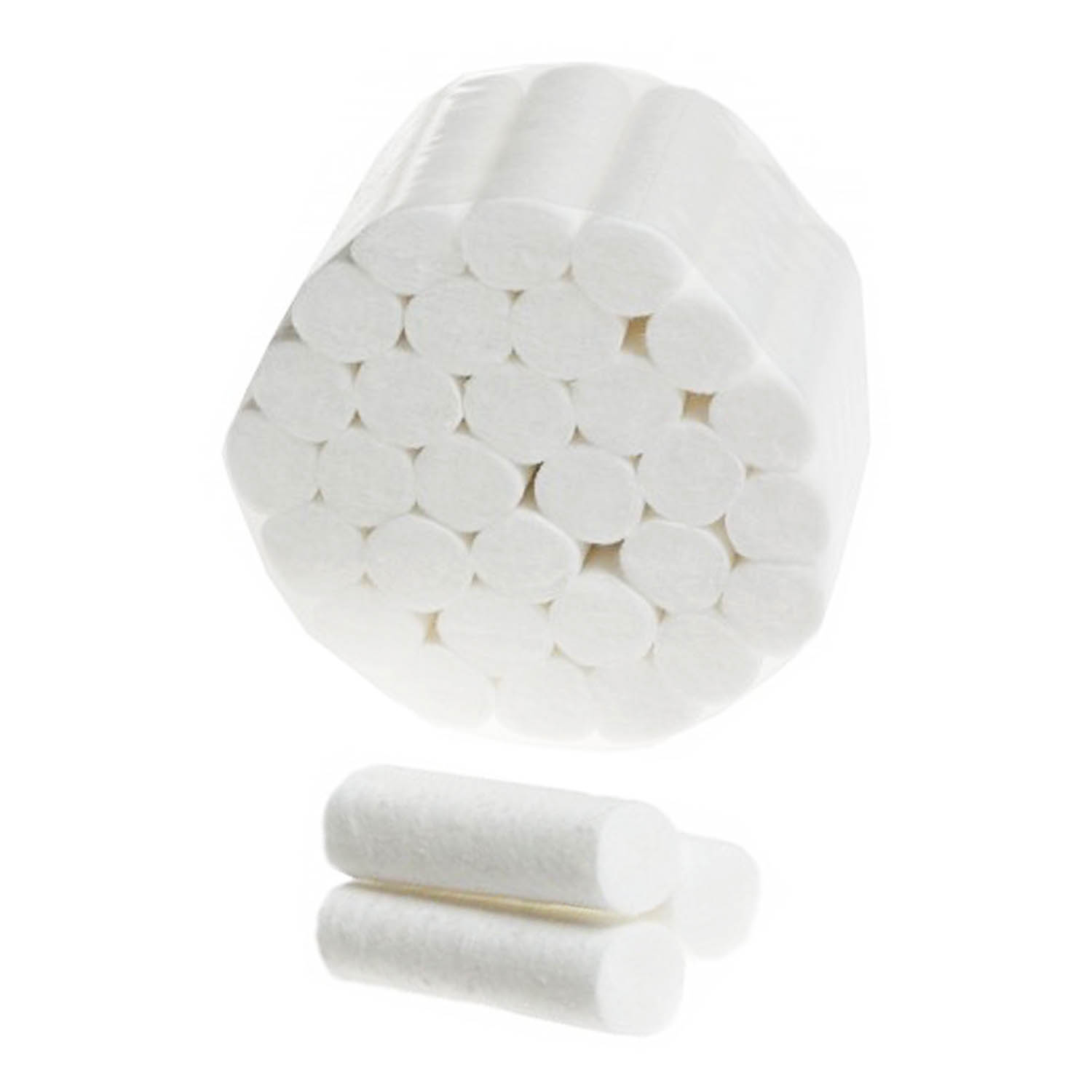
A diverse network gives you choices. You can dodge a shortage by simply placing an order with a different partner. This is a basic rule of supply chain management. Always have a backup source for your most important items. For instance, finding a reliable manufacturer for cotton swabs in a different region can save your clinic during a local crunch.
Pills and surgical tools often travel the same roads. The pharmaceutical supply chain is highly sensitive. The items need strict temperature control and perfect timing. A tiny mistake can cause a massive drug shortage. In recent years, we have seen a terrible drug shortage crisis. Even basic items are hard to find. For example, saline shortages have forced nurses to change how they treat sick patients.
Pharmaceuticals and medical devices go hand in hand. You cannot inject medicine without a clean syringe. A shortage of tools halts drug development and testing. This is why tight inventory management is a must. You must know exactly where every bottle is.
Using medical technology helps track the boxes. Scanners and barcodes keep the data fresh. If you see a pharmaceutical delay coming, you can order from a backup source. You must protect certain medical items fiercely to keep your clinic running smoothly.
How does relying on a single global medical supplier create supply chain risk?
Trust is good, but blind trust is dangerous. Using a single global medical supplier creates massive supply chain risk. You might get a good price, but you lose your safety net. If that one factory faces a disruption in transportation, your goods will never arrive.
When you only have one source, your existing supply drains very fast. A delay at one port impacts the entire supply chain. The supply of products stops dead. Your nurses will have to use lower-quality backups or skip treatments.
We see this often with medical device shortages. A buyer trusts one massive factory. A storm hits that factory. Suddenly, the buyer has zero tools. Do not let this happen. You must share your orders among two or three trusted partners. This simple step wipes out most of your supply chain risk.
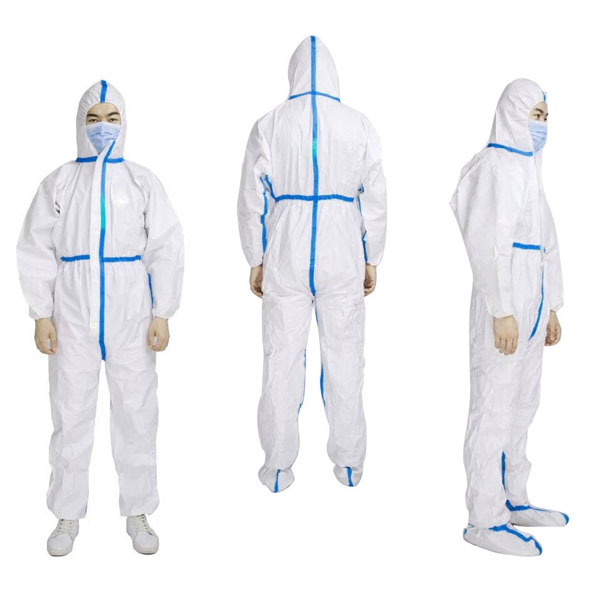
When securing protective wear, ensure you have multiple streams. Using a trusted Isolation Gown provider is great, but knowing their backup plans is even better.
How can the healthcare system build resilient supply contingency plans for the future?
The future is unknown, but we can prepare for it today. We need a resilient supply network that bends but does not break. Health systems must start talking to each other. The whole healthcare system needs to share data. When hospitals share supply chain data, they can spot a shortage before it hits the news.
Good supply chain management uses tech to watch the flow of medical goods. Advanced medical tracking systems tell you exactly where your ship is. By working closely with a trusted supplier, you build a fortress. We must stop medical supply shortages before they reach the hospital doors.
Building a strong medical product supply chain takes time. It requires smart choices, extra budget for safety stock, and diverse partners. But the reward is massive. You get a health supply chain that never fails, no matter what the world throws at it.
Key Takeaways
- Plan Ahead: Always keep extra safety stock to avoid a sudden shortage of medical supplies.
- Diversify: Never rely on a single supplier. Use multiple factories to reduce your supply chain risk.
- Watch the Rules: Keep an eye on regulatory changes and the impact of tariffs on healthcare to avoid a long shipping delay.
- Use Data: Good inventory management and medical technology help track the global supply chain in real-time.
- Protect Patients: Remember that medical supply shortages directly hurt patient care. A steady supply chain saves lives.
- Expect the Unexpected: The COVID-19 pandemic proved that a disruption can happen overnight. Build contingency plans now.
Post time: Jul-08-2026