



Managing a large medical supply chain requires making smart, careful choices every single day. When patients suffer from swelling or poor circulation, they need reliable support. Choosing the correct compression bandage makes a massive difference in patient recovery. This guide explains exactly how a compression wrap works to manage fluid build-up and improve blood movement. It is worth reading because understanding the science behind these supplies helps you buy better products, prevent dangerous infections, and keep your hospital running smoothly. Let’s explore everything you need to know about these essential medical tools.
What exactly is a compression bandage and how does it work?
A compression bandage, also called an elastic bandage, is a stretchable piece of fabric designed to gently squeeze a specific body part. When a person suffers an injury, the body sends extra fluid to that area. This causes swelling. The steady pressure from the bandage stops too much fluid from gathering. The pressure also supports the muscles and joints.
In a busy hospital, you will find both bandages and sleeves. While a standard roll requires manual wrapping, some patients prefer elastic sleeves. These are tubular sleeves that you can pull quickly over an arm or leg. When you pull over an injured area, the fabric instantly provides an even level of compression. This gentle squeeze makes the injured area work better. It allows the patient to move more safely without severe pain.
Whether you choose a long roll or a quick sleeve, the goal remains the same. You apply a precise compression level to support the tissues. The tight, stretchy material acts like a second skin. It holds everything firmly, helping the body manage the internal pressure naturally.
Why should your facility use one instead of standard dressings?
Standard medical gauze is fantastic for soaking up blood from an open wound. However, it does not stretch. If a patient sprains an ankle, a plain piece of cloth will not stop the swelling. You must decide to use one specifically designed to stretch and squeeze.
During the first few days after an accident, the body reacts aggressively. The tissue expands rapidly. A good stretchy wrap will help keep fluid away from the sensitive injury site. It acts like a gentle wall. It can greatly help reduce the initial swell, which lowers the patient’s pain. Healthcare professionals, like a physical therapist or a nurse, rely heavily on these stretchy items. They know that a basic ace wrap provides the exact mechanical support required to stabilize a joint quickly.
Choosing to stock high-quality stretchy rolls in your supply room means your staff is always ready. You give them the right tool to tackle sudden sprains, strains, and chronic swelling.
How does a compression wrap help reduce swelling and improve blood flow?
Your body has two main transport systems: the circulatory system and the lymphatic system. The heart pumps blood down to your feet through arteries. But getting that blood back up to the heart is harder. Veins have to fight gravity. When a person has poor circulation, blood pools in the lower legs. This causes a heavy, aching feeling.
A compression wrap acts like an extra muscle. It gives the legs a gentle, constant hug. This outside pressure squeezes the veins. It physically pushes the blood back upward. This action directly helps improve blood flow throughout the entire leg. Better circulation means more oxygen reaches the damaged tissues.
Furthermore, this pressure helps the lymphatic system drain extra watery fluid. If you apply the wrap correctly, you reduce swelling visibly within just a few hours. This steady pressure is vital for deep vein health. Proper blood movement stops blood from sitting still, which lowers the risk of a dangerous clot.
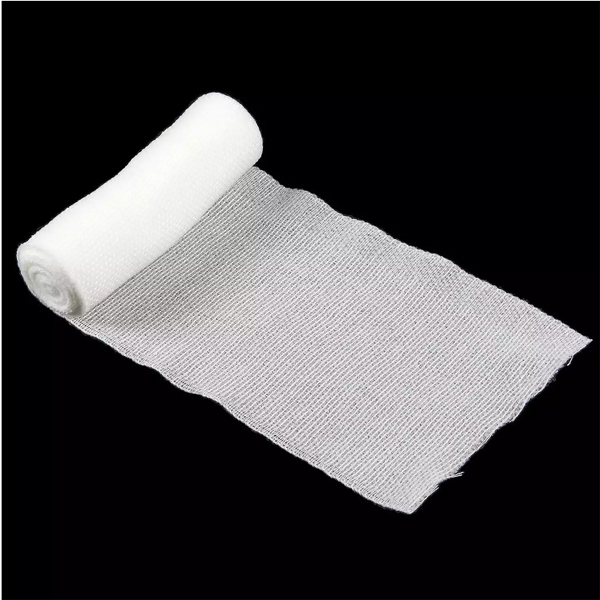
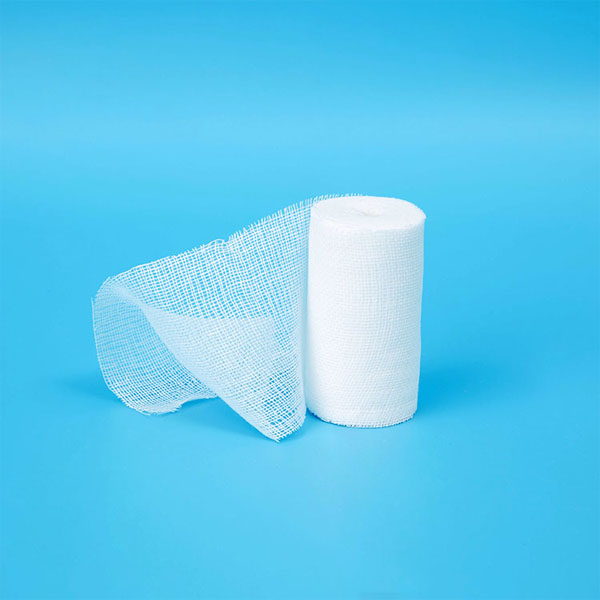
We offer versatile, soft options like our Medical Grade Soft Roll Bandage 4″x5 Yard Gauze Rolls For Wound Care which serve as excellent foundational layers for secure dressing applications.
What is the difference between a standard elastic bandage and a multi-layer compression bandage?
You might think all wraps are exactly the same. However, clinical compression therapy uses different systems for different problems. A standard, single-layer bandage is great for a simple sports sprain. It gives light support and is easy to put on at home.
For severe medical conditions, doctors use a four-layer system. This system is much stronger. The first layer is usually soft cotton to protect the skin and absorb sweat. Then, nurses add more layers of compression using stretchy materials. Each layer builds upon the last. This creates a very strong, stiff shell around the leg.
The resulting level of compression from a multi-layer system is much higher than a simple home wrap. These heavy-duty systems stay on for several days. They do not slip or lose their stretch. Procurement managers must buy specialized, high-grade rolls to ensure these complex systems work flawlessly on the hospital floor.
When should healthcare professionals apply a compression wrap for venous leg ulcers?
A venous leg ulcer is an open sore that usually appears on the lower leg. It happens when veins fail to push blood back to the heart. The blood pools, the pressure builds, and the skin eventually breaks open. These sores are incredibly painful and very hard to cure.
Advanced practitioners know that you cannot fix these ulcers with just a simple bandage. You must fix the underlying vein problem first. Venous leg ulcers require intense, continuous compression therapy. The tight pressure forces the weak vein walls closer together. This helps the valves inside the vein work properly again.
When the blood flow improves, the ulcer gets the fresh nutrients it needs to close. A compression wrap is the gold standard treatment here. Using the right wrap helps the wound heal faster. Without this essential pressure, the sore might stay open for months or even years.
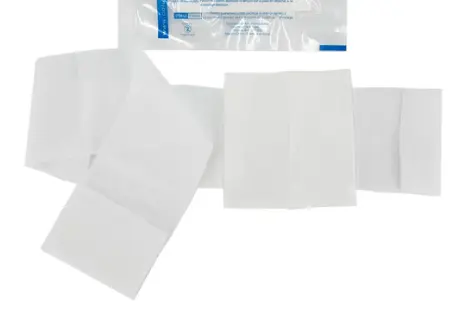
To support heavy exudate beneath these wraps, consider using our highly absorbent Hot selling 100PCS pack gauze padding.
How do you effectively wrap the bandage around an ankle or foot?
Applying a wrap incorrectly can cause more harm than good. You must follow a specific pattern to ensure the pressure pushes fluid up, not down. Here is how to do it safely.
First, hold your ankle at a 90-degree angle. Start by placing the fabric at the base of the toes. The first wrap should go right around this area. You must cover the entire foot from the base upward. The wrap should cover the entire foot evenly to prevent any bulges of trapped fluid. Make sure you cover the entire foot without leaving any skin showing.
Next, bring the fabric over the top of the foot and under the arch. Wind it carefully around the heel. The heel must be fully covered so no fluid gathers there. Then, wrap the bandage around the ankle in a figure-eight pattern. Move slowly up toward the calf. Each turn should overlap the last one by half.
The steps are similar if you need to wrap a different joint. For example, if you wrap around your wrist, start at the hand and move up the arm. Always wrap from the bottom up. Once the ankle or foot is fully covered, secure the end with tape or a clip.
What happens if the wrap is too tight or cuts off circulation?
Safety is always the top priority. A common mistake is pulling the fabric too hard. Tighter does not mean better. If the wrap is too tight, it acts like a tourniquet. It will actually cut off circulation entirely.
You must constantly monitor the patient. Always check your toes or fingers. If the skin turns blue, pale, or feels cold, there is a big problem. If the patient says their foot feels numb or tingly, you must act quickly. This means blood is not reaching the nerves.
A wrap that is too tight causes severe discomfort and pain. It can seriously damage the blood vessels. If you notice any of these warning signs, remove the fabric immediately. Wait for the blood to return, and then wrap it again much more loosely. It should feel snug and supportive, but never painful.
How can advanced practitioners use a pad and compression bandage to treat lymphoedema?
Lymphoedema is a serious condition where the lymphatic system fails to drain fluid. This leads to massive swelling, especially in the legs. To treat this, specialists use very specific techniques. Sometimes, thick swelling creates deep pockets around the ankle bone. You must push the fluid out of the hollow spaces.
To achieve this, a nurse will cut several horseshoe-shaped pieces from a soft foam sheet. Alternatively, they can use several horseshoe-shaped pieces of cloth to build a custom cushion. By firmly stacking these horseshoe-shaped pieces of cloth felt, they create a thick, U-shaped barrier. You use the cloth felt to form a dedicated pad.
Next, place the pad directly into the hollow place behind the ankle bone. Once the pad is in position, carefully wrap the bandage around the felt piece. You must secure the felt piece so it stays perfectly still. If wrapped correctly, this firm structure ensures the pad stays in place all day. It applies extra pressure exactly where the fluid likes to hide, forcing it up and out of the foot.
You can find high-quality raw materials for under-cast padding by exploring ourSurgical Medical Gauze Bandage 6cm*600cm.
How do compression wraps support deep vein health and the healing process?
The journey to full recovery takes time. When a patient suffers from severe swelling or a torn muscle, the healing process can be slow and frustrating. A secure wrap provides enormous psychological and physical support. Once the ankle is wrapped, the patient feels much more confident walking.
Consistent pressure is excellent for the veins. It helps prevent a deep vein thrombosis, which is a dangerous clot that can travel to the lungs. By keeping the blood moving briskly, you protect the patient’s life. Some patients might need to wear it longer than they expect. Wearing a support sleeve for several weeks ensures the tissue heals tightly and strongly.
Please note that the use of this information is strictly for educational purposes. A patient should always consult a professional care provider before deciding to apply tight pressure for a long time. A doctor will confirm exactly how long they need to wear it longer to heal faster safely.
How to choose the right level of compression for your hospital supply chain?
For procurement managers, choosing the right medical supplies is a heavy responsibility. You cannot risk buying cheap, low-quality materials that lose their elasticity after one hour. You need a compression bandage that maintains its compression level all day long.
When buying in bulk, always look for products that meet strict FDA and CE standards. You want materials that are soft against the skin but highly durable. The elastic must survive constant stretching without snapping. If you supply a busy clinic, ensure you offer a wide variety of sizes. A small wrist needs a narrow roll, while a large thigh needs a wide, heavy-duty wrap.
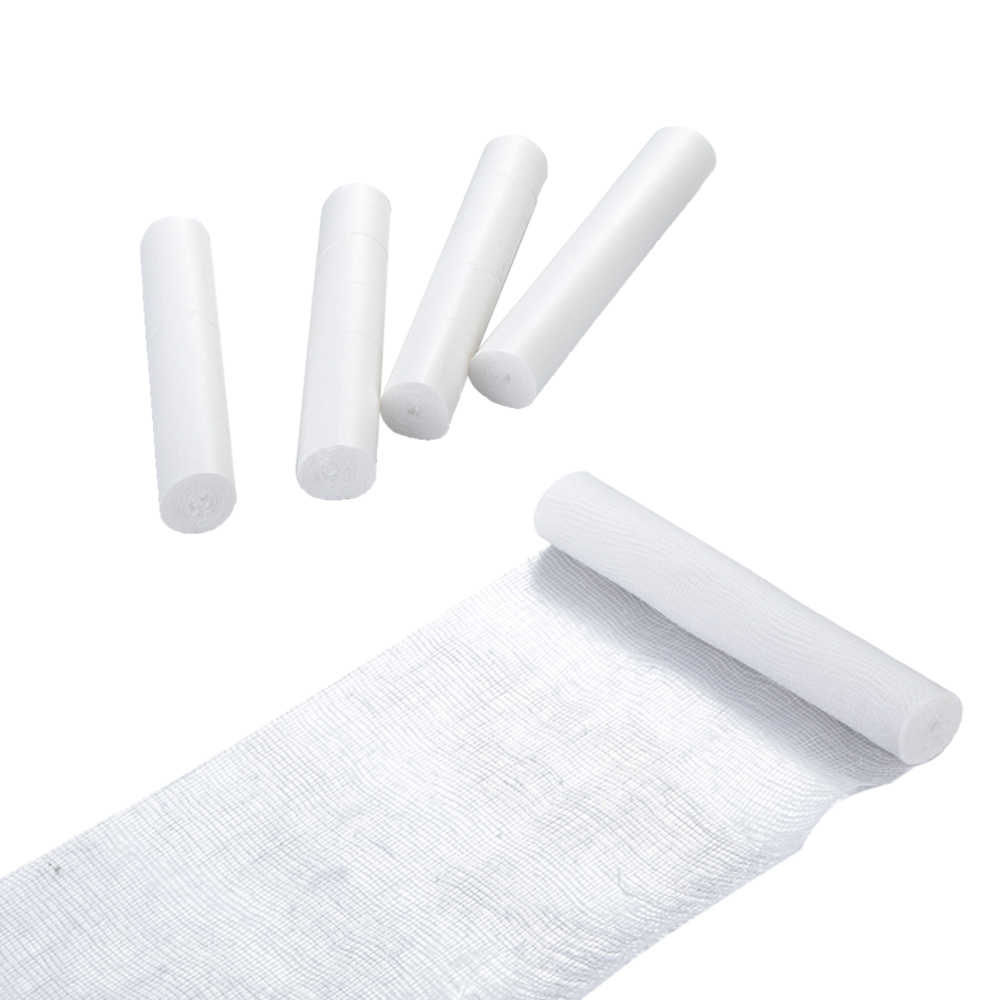
By sourcing reliable, factory-direct products, you prevent stockouts and ensure absolute patient safety. A strong, breathable, and reliable compression wrap saves your nursing staff time and brings comfort to your patients. Check out our diverse catalog, including the Disposable Medical gauze bandage roll, to stock your facility with the very best.
Key Takeaways
- Understand the Purpose: A compression bandage gently squeezes an injured body part to prevent severe swelling and provide structural joint support.
- Boost Circulation: Proper pressure physically pushes blood upward, helping to improve blood flow and support the overall circulatory system.
- Safety First: Never apply a wrap too tightly. Always check your toes to ensure they are not numb or tingly, which means you have cut off circulation.
- Advanced Healing: For conditions like venous leg ulcers or lymphoedema, healthcare professionals use specialized pads and multi-layer compression therapy to drive fluid away from the foot.
- Proper Technique: Always wrap from the bottom up. Start at the base of the toes, cover the entire foot, and move slowly up toward the calf.
- Quality Sourcing: Procurement managers must secure high-quality, fully compliant stretchy rolls and elastic sleeves to ensure clinical safety and supply chain reliability.
Post time: Mar-20-2026