



Welcome to our comprehensive guide on medical headwear. Have you ever wondered why every doctor covers their head before an operation? It is not just about tradition. For procurement managers like you, sourcing the right protective gear means balancing budgets, regulatory compliance, and staff comfort. This article breaks down everything you need to know about purchasing compliant protective apparel. It is well worth reading to ensure your hospital stays safe, clean, and fully stocked with the right items. Let’s dive right into the world of clinical headwear!
What is the true purpose of the surgical cap in a medical facility?
The real purpose of the surgical cap goes far beyond merely making the hospital staff look uniform. Every medical facility operates daily on a very fine line between health and dangerous infection. This simple tèt kouvri is absolutely vital for defense against invisible threats. In fact, a quality cap plays a massive part in stopping microscopic particles from falling downward. You might not see these particles, but they exist everywhere.
When you step into any medical setting, keeping everything immaculate is your top priority. The cap is designed specifically to trap dead skin cells and forehead sweat securely. Without it, the surgeon’s hair and dry skin flakes from the scalp could easily fall down. These falling particles can severely kontamine an open wound on the sit chirijikal. Clearly, caps play a crucial role in everyday defense for vulnerable patients. Therefore, administrators view the cap as an indispensable piece of daily medical attire for all staff members.
Why is it essential to wear a surgical cap during surgery?
Infection control experts around the world agree completely. It is absolutely essential to wear this gear in all critical zones. Having a surgical cap during surgery acts as a solid, impenetrable physical barrier. It heavily reduces the risk of accidentally contaminating the surgical area with bacteria-laden sweat. This is exactly why all hospital personnel must wear a proper cap before they ever cross the threshold into the theater.
Think about the fast pace when doctors are actively performing surgery. It is an intense environment. Even the slightest bit of loose hair falling down can break the sterile field instantly. By actively reducing the risk of infection, this garment directly protects patient lives. High-stakes Pwosedi chirijikal demand zero errors from the surgical team. Consequently, this reliable medical accessory remains strictly non-negotiable in any professional hospital setting.
What are the main types of head cap options for medical professionals?
When outfitting an entire hospital, you will quickly notice many diverse choices. The kalite prensipal of head coverings cater to different individual needs. A proper head cap depends entirely on the user’s daily tasks and personal comfort preferences. For instance, surgical caps come in various styles, including tight-fitting Caps zo bwa tèt. These are snug, secure, and remain ideal for those with shorter hair styles, fitting closely to the head and hair.
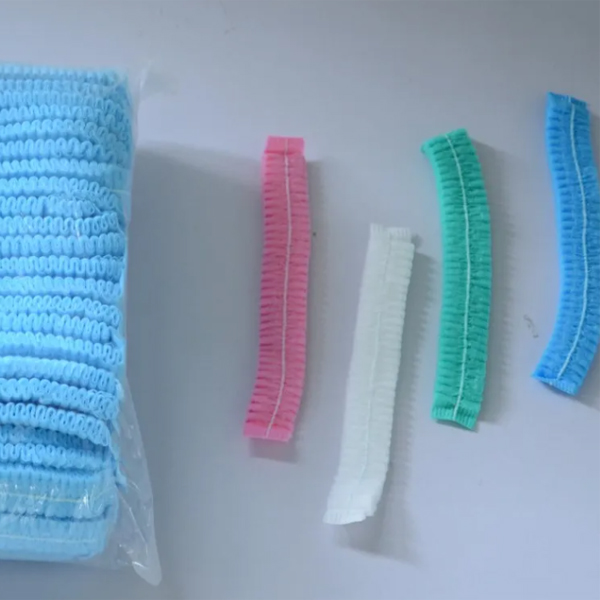
Next, we have the spacious and puffy bouffant style. We also supply traditional Fouye bouchon, which usually feature ties at the back for a highly customized fit. When evaluating all the caps available, you must remember that surgical caps come in shapes built for both comfort and ultimate safety. Furthermore, both disposable and reusable models exist in the market to serve surgeons and other medical teams perfectly. It is all about giving your Pwofesyonèl medikal exactly what they require to work efficiently.
Disposable surgical cap versus reusable: Which is better in medical environments?
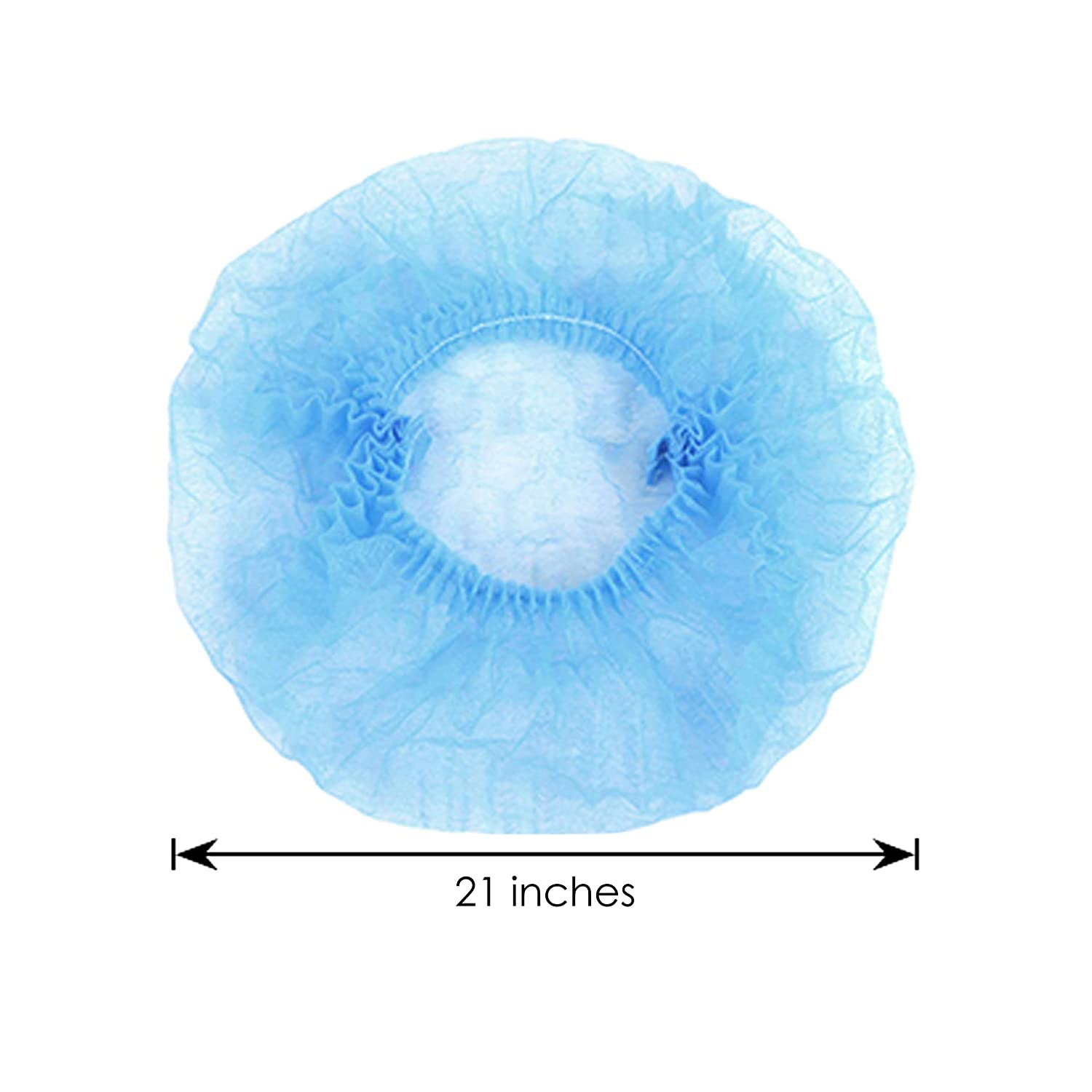
Making the right purchasing choice matters significantly for your procurement budget. A disposable surgical cap is purposefully Ki fèt pou itilize sèl, offering the ultimate daily convenience. You simply put the cap on, and after your shift ends, you throw the cap away. Truly, a jete option is incredibly cost-effective and completely eliminates expensive hospital laundry bills. Many procurement teams prefer to buy a Jetab cheve medikal kap 21 pous file-boundedcap jetab in bulk to maintain steady inventory levels.
Conversely, high-quality reusable surgical caps are usually made of cloth. Heavy-duty caps are made strictly from durable fabrics like blended weaves. Manufacturers ensure they use durable fabrics like cotton for maximum breathability during long procedures. Sometimes, they weave them from mixed fabrics like cotton or polyester. Because of this sturdy construction, these caps can be washed over and over again without tearing. However, jete units remain the global standard for busy wards operating in fast-paced medical environments.
How do bouffant caps differ from traditional scrub caps?
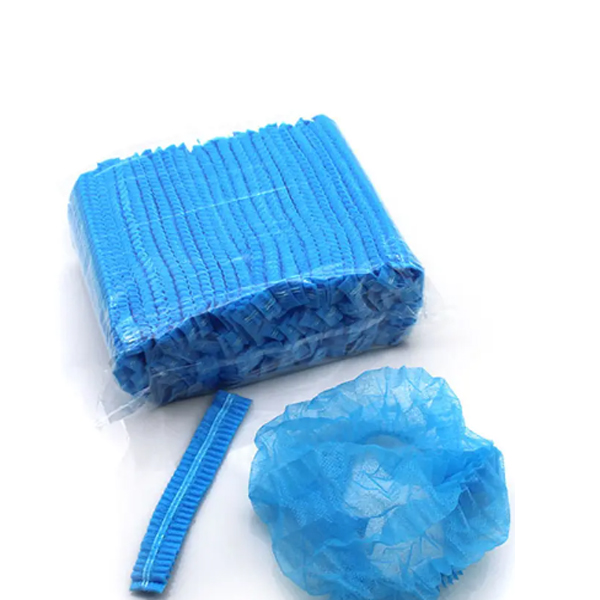
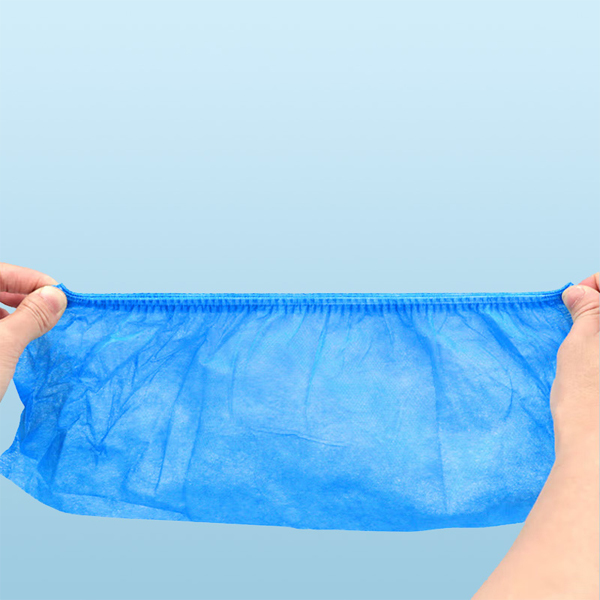
Understanding these distinct style differences helps you stock the right inventory for your team. A typical bouffant loosely resembles a large, puffy shower cap. It uses a gentle elastic band that gathers all the lightweight material together around the rim. Roomy bouchon bouffant are perfect because they effortlessly cover the entire head with minimal pressure. This is why they are widely available for those working in varied clinical roles, from nurses to lab technicians.
In stark contrast, regular Fouye bouchon are much more tailored and structured. They contour directly to the unique shape of your head. For workers who want to securely tie their protective gear tight, they always choose to wear a scrub cap. Tou de caps and hats effectively serve the exact same hygiene goal. Yet, it’s important to choose the specific style that best secures the user’s hair comfortably throughout their entire shift. Providing options boosts overall staff morale.
Is choosing the right surgical head cap important to wear for long hair?
Absolutely, accommodating different human hair types is a surprisingly big deal in healthcare. If your staff members have very cheve long, a standard small fit just won’t work well at all. Chwazi Dwa a fit means intentionally looking for extra volume inside the cap. That extra space is critically needed to comfortably house long or thick hair without causing tension headaches during exhausting 12-hour shifts.
Imagine if a surgical nurse has very thick hair. Forcing it into a tiny covering causes the cap to slip and slide constantly. Therefore, choosing the right size stops them from constantly readjusting their PPE with gloved hands. This is precisely why a roomy surgical head cap is extremely useful. It manages to safely keep hair neatly tucked away inside, ensuring that absolutely nothing slips out to disrupt the highly regulated anviwònman esteril.
How do surgical caps come into play for hygiene and patient safety?
The strong foundation of any great hospital is its deep, unwavering commitment to sekirite pasyan. Every single kouvèti is fundamentally tied to this vital performance metric. Excellent surgical caps offer a powerful first line of defense against daily microscopic shedding. This simple fabric barrier helps maintain a clean environment effortlessly, day in and day out.
Keeping patients and medical staff healthy is our shared, ongoing duty. Caring Pwofesyonèl Swen Sante rely heavily on these simple coverings to help reduce the risk of dangerous cross-transmissions. Superior hygiene and patient safety always begin with utilizing proper personal protective equipment. Good caps help enforce strict safety protocols, playing a crucial role in maintaining high facility standards. Whether pairing them with a Shaohu Mask Face Medikal jetab ak bon jan kalite segondè or a full suit, the cap completes the protective ensemble.
Why must you wear a surgical cap correctly over the scalp and hair?
Proper application technique is just as important as the fabric material itself. You cannot just loosely throw the cap on your head; you must learn exactly how to wear a surgical cap correctly. It absolutely needs to cover the entire scalp and hair completely, leaving nothing exposed. Even leaving tiny gaps around the ears can easily kontamine the sterile workspace with falling sweat drops.
If a doctor decides to wear the scrub hat way too far back, their front hairline remains dangerously exposed. To fully anpeche cheve from falling out mid-surgery, the elastic bands or back ties must be pulled snug against the skin. The true risk pou enfeksyon spikes sharply if these basic application rules are ignored by the staff. Consequently, staff members are heavily trained to ensure their scalp remains entirely shielded beneath the cap at all times.
How does a disposable head cap help prevent contamination?
Single-use items are a massive, irreplaceable staple in all modern healthcare facilities. A fresh disposable head cap entirely removes the constant worry of improper hospital laundry washing. Every single time a brand new kouvèti is donned, you know it is 100% clean and ready for action. This immediately halts the chain of kontaminasyon right at the source, shielding the wearer against unexpected, dangerous splashes of likid kòporèl.
We frequently supply the popular disposable scrub hat to very busy emergency wards and surgical centers. Because these caps are available in massive bulk boxes, the staff will never run out during an unexpected crisis. By throwing the cap in the trash immediately after use, hospitals easily achieve unparalleled patient safety and infection prevention. This pairs exceptionally well with single-use Dra kabann medikal to ensure the entire patient area remains pristine.
What factors make it important to wear the right cap in the operating room?
The daily stakes are incredibly high inside the chanm opere. Here, maintaining a truly esteril field is often the critical difference between a rapid recovery and severe illness. It is clearly important to wear a reliable cap that stays put firmly for many hours. Furthermore, it is important to choose the right headwear to completely avoid any annoying mid-procedure distractions that could pull a doctor’s focus away.
Intense medical operations demand total, unbroken focus. The last thing any doctor needs is a loose, slipping scrub hat falling over their eyes. Surgical caps are also specifically meant to absorb heavy forehead sweat before it drops. Whether you grab a reusable cloth surgical hat or a simple jete option, surgical caps are made to fiercely protect everyone in the room. Many medical staff deeply appreciate soft, lightweight materials like cotton or advanced spunbond non-woven fabric.
Quality truly matters in this highly regulated B2B industry. A crucial role is played by these humble garments every single day you operate. When you are looking to purchase supplies and considering the various colorful options that vini nan divès kalite designs, always remember the strict rules of a proper surgical scrub. Tout Anviwònman chirijikal require rigorous, uncompromising hygiene standards. As a procurement expert, supplying reliable caps—alongside items like theShaohu kalite siperyè faktori ròb medikal PPE izolasyon ròb COVERALL rad pwoteksyon—firmly supports both your hardworking team and your hospital’s bottom line.
Takeaways kle
- Understanding Purpose: The primary role of any cap is to trap hair, sweat, and skin flakes, stopping them from compromising a sterile field.
- Material Choices: Disposable caps offer superior convenience and infection control, while cloth options offer reusability and customized fit.
- Style Matters: Bouffants provide excellent room for voluminous hair, whereas traditional tie-back hats offer a snug, contoured fit for shorter styles.
- Bon aplikasyon: Simply wearing a cap isn’t enough; it must securely cover all hair and the entire hairline to be genuinely effective.
- Patient Outcomes: Investing in high-quality head coverings directly correlates to lower infection rates and better overall patient recovery success.
Post time: Apr-16-2026