



Welcome to the beautiful, chaotic, and wonderful world of motherhood! As you navigate life with your new baby, you’ll encounter a host of new products designed to make your journey smoother. One of the most essential items for mums who choose to breastfeed da nursing pad. If you’re wondering what these are, why you might need them, or which type is right for you, you’ve come to the right place. As a manufacturer of medical consumables, I, Allen, have spent years focused on creating high-quality absorbent and sanitary products. While my expertise is broad, the principles of comfort, hygiene, and reliability are universal. This guide will share everything you need to know about nursing pads, helping you stay comfortable, confident, and dry throughout your breastfeeding journey.
What Are Nursing Pads and Why Might New Mums Need Them?
A nursing pad, A izenaz ere ezagutzen da breast pad, is a small, absorbent disc that you place inside your bra to catch any leaking breast milk. For many new mums, especially in the first few days and weeks after giving birth, leaking is a very common experience. As your body learns to regulate its milk supply to match your baby’s needs, it’s normal for your breasts to leak milk. This can happen when you hear your baby cry, when it’s been a while between feedings, or even when you’re feeding your baby from one breast and the other one has a "let-down" reflex.
These unexpected leaks can be inconvenient and lead to damp, visible milk stains on your clothing. This is where a nursing pad becomes your best friend. Its purpose is simple but crucial: to absorb milk that may leak zure tik breast, keeping your nipple area, your bra, and your clothes clean and dry. A erabiliz breast pad gives you confidence and peace of mind, allowing you to go about your day without worrying about embarrassing wet spots. They are a small but mighty tool to help you feel more comfortable as you and your baby get the hang of breastfeeding.
What are the Different Types of Nursing Pads Available?
When you start shopping, you’ll find that nursing pads come in a variety of Formak eta tamainak, materials, and types. Understanding the main categories can help you find the best breast pad for your lifestyle and needs. The types of nursing pads generally fall into a few key groups.
- Disposable Nursing Pads: These are single-use pads that you throw away after they become wet. They are typically very vsorlente, often feature an itsaskor strip to hold them in place in your bra, and are individually wrapped, making them convenient for on-the-go use in your diaper bag.
- Reusable Nursing Pads: Hauek dira washable cloth pads, often made from soft, natural materials like cotton, bamboo, or hemp. Reusable breast pads are an eco-friendly and Kostu-eraginkorra option in the long run. They come in various levels of hustu.
- Silicone Pads: Unlike absorbent pads, silicone pads work by applying gentle pressure to the nipple to prevent leaks from happening in the first place. They are not absorbent, so they won’t help with heavy leaking, but they are sticky and can be worn without a bra under certain types of clothing.
- Hydrogel Pads: These are less for leaking and more for soothing. Hydrogel pads are often kept in the fridge and are used to provide relief -entzat sore nipples. They can be a lifesaver in the early days of breastfeeding but are not designed to absorb milk that may leak.
Disposable or Reusable Breast Pads: Which Is the Right Choice for You?
The great bota edo berrerabilgarria debate is a common one when it comes to nursing products. Both disposable nursing pads eta reusable nursing pads have distinct advantages, and the right choice is a personal one. Many mums find it helpful to have a combination of both for different situations.
Here’s a breakdown to help you decide:
| Bereizgarri | Disposable Nursing Pads | Reusable Nursing Pads |
|---|---|---|
| Egokitasun | Very high. Simply use and toss. Perfect for travel, nights, or the first few weeks. | Lower. They need to be changed and washed, requiring more planning and laundry. |
| Kostatu | Lower upfront cost, but the expense adds up over time with continuous purchasing. | Higher initial investment for several pairs, but very Kostu-eraginkorra in the long run. |
| Hustu | Often super-vsorlente due to a polymer core, similar to disposable diapers. | Varies by material. Some heavy-duty reusable pads are very vsorlente, others are for light leaks. |
| Ingurumen-inpaktua | Creates ongoing waste as they are a single-use product. | Eco-friendly. You can use reusable pads for months or even for subsequent children. |
| Erosotasun | Can be very thin and discreet. Some may have a plastic lining that is less arrastar. | Often very soft and arrastar, especially those made of natural fibers like cotton. |
Many women start with Kuxin botagarriak for the heavy, unpredictable leaking after birth and then switch to reusable options once their milk supply becomes more established.
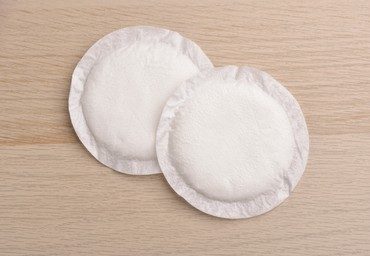
A Simple Guide on How to Use Nursing Pads Correctly
Using breast pads is incredibly straightforward, but a few tips can ensure you get the maximum comfort and protection. The goal is to position the breast pad correctly so it can effectively catch any milk leaks.
- Start with a Clean, Dry Breast: Before placing the nursing pad, make sure your breast eta nipple area are clean and have been gently patted dry. This helps prevent skin irritation.
- Position the Pad: Jarri nursing pad directly over your nipple, inside your bra. The soft, absorbent side should be against your skin. If you are using disposable pads with an itsaskor strip, peel off the backing and press the sticky side firmly onto the inside of your bra cup. This will keep the bildu from shifting.
- Ensure a Smooth Fit: Adjust the nursing pad so it lies flat and smoothly follows the contour zurearen breast. A well-placed bildu will be virtually invisible under your clothing.
- Change When Wet: The most important rule is to change your breast pad as soon as it feels damp. This is crucial for hygiene and preventing skin issues.
That’s it! The process is simple, and after doing it a couple of times, it will become second nature.
Is it Possible to Wear Nursing Pads Without a Bra?
This is a common question, especially from mums looking for comfort at home. The short answer is: it depends on the type of nursing pad. Standard garritsu eta reusable cloth pads are designed to be held in place by a bra. Without the structure of a bra or a snug-fitting nursing tank top, they will likely shift, bunch up, and fail to catch leaks effectively. An itsaskor strip on a disposable breast pad helps, but it’s meant to stick to fabric, not skin, and won’t be enough to hold it securely on its own.
If you want to go without a bra, your best bet is to erabilpen silicone nursing pads. As mentioned earlier, these pads adhere directly to your breast and work by applying light pressure to stop leaks before they start. They are not absorbent, so they aren’t a solution for heavy leaking, but for light control and discretion under clothing without a bra, they are the ideal choice. For most situations involving absorbent pads, a comfortable, well-fitting nursing bra is your best companion.
How Often Should You Change Your Breast Pad for Optimal Hygiene?
Maintaining hygiene is one of the most important aspects of using a nursing pad. A warm, moist breast pad can become a breeding ground for bacteria or yeast, which can lead to skin irritation or infections like thrush or mastitis. Therefore, you should change your breast pad whenever it becomes wet.
For some women with a heavy leak, this might mean changing it every couple of hours. For others, it might be just a few times a day. A good rule of thumb is to check the bildu each time you breastfeed your baby and change it if it feels damp. It’s especially important not to sleep in a wet bildu. Keeping your skin as clean and dry as possible helps prevent sore nipples and ensures the area remains healthy. Always have a few extra pairs of nursing pads in your bag when you go out so you can change them as needed.
What to Look for When You Choose Nursing Pads
With so many options on the market, how do you choose nursing pads that are right for you? Here are a few key features to consider:
- Xurgapena: This is the most critical feature. Look for a nursing pad that matches your level of leaking. In the early weeks, you will likely need a highly vsorlente pad. As your milk production regulates, you may be able to switch to a lighter one.
- Shape and Contour: The best pads are shaped to the natural contour de breast, making them more comfortable and less visible under clothes. Many disposable ones have a contoured shape.
- Materiala: If you have Azal sentikorra, look for a nursing pad with a soft, natural barruko geruza. Reusable nursing pads are made from materials like cotton or bamboo, which are very gentle. When it comes to disposable pads, look for ones with a soft, arrastar top layer to keep milk away from your skin.
- Waterproof Backing: Ona nursing pad will have a waterproof outer layer to protect your clothes eta prevent stains. This layer should still be arrastar to allow air to circulate, reducing moisture buildup.
A Quick Guide to Caring for Reusable Nursing Pads
If you choose to use a reusable nursing pad, proper care is essential to keep them soft, vsorlente, eta osasun-. Luckily, it’s very easy to do.
- Washing: After use, you can rinse the reusable pads and store them in a wet bag until you’re ready to do laundry. They can be washed along with your or your baby’s clothes. Using a mesh laundry bag is a great idea to keep the alegiak from getting lost in the machine.
- Detergent: Use a mild, fragrance-free detergent to avoid any residues that could cause chafing or irritate your baby’s skin. Avoid using fabric softener, as it can reduce the hustu de cloth pads.
- Drying: You can either tumble dry your reusable nursing pad on a low setting or lay it flat to air dry. Make sure the alegiak are completely dry before you wear them again to prevent any bacterial growth.
Zeren ... bait pads can be washed and reused, you’ll want to own several pairs so you always have a clean, dry set ready to go.
Will I Need Nursing Pads for My Entire Breastfeeding Journey?
Every woman’s experience is different. Many mothers find they need nursing pads most in the early postpartum period, from a few weeks to a few months, while their milk supply is regulating. During this time, leaking is often unpredictable. As your body and baby fall into a more consistent feeding rhythm, you may find that you leak much less or not at all between feedings.
Some women continue to experience light leaking throughout the time they breastfeed, especially at night or when they are away from their baby for a longer period. Others find they can stop using breast pads after the first couple of months. There is no right or wrong answer. The best approach is to listen to your body. It’s always a good idea to keep a few pads on hand, just in case, but you may not need to wear nursing pads every single day for your entire journey.
A Manufacturer’s Insight: What Makes a Quality Breast Pad?
From my perspective as a manufacturer of absorbent medical goods, the science behind a great nursing pad-N garritsu or reusable—comes down to smart material design. A quality bildu isn’t just a piece of absorbent material; it’s a layered system designed for performance and comfort.
-A barruko geruza, the part that touches your skin, must be exceptionally soft and good at wicking moisture away from the body quickly. This is essential for preventing irritation and keeping you feeling dry. The core of a disposable pad often contains a super-absorbent polymer, similar to what’s found in high-quality products like our disposable medical bed sheets, which can lock away a large amount of liquid. For a reusable nursing pad, this core might be a dense layer of bamboo or hemp fiber. Finally, the outer layer provides the waterproof barrier. The challenge is making this layer protective without trapping moisture and heat, which is why a arrastar film is so important. When you choose to breastfeed, having a reliable, comfortable nursing pad makes all the difference, and it’s this thoughtful engineering that provides that reliability. A simple product like a Mediku kotoizko baloia botatzea is great for some applications, but for leak protection, this layered approach is key.
Takeaways gakoak
- Nursing Pads are Essential: They absorb leaking breast milk, protecting your clothes and providing comfort and confidence.
- Choose Your Type: Disposable nursing pads offer convenience, while reusable breast pads are eco-friendly and cost-effective. Many mums use both.
- Proper Use is Simple: Jarri bildu over your nipple inside your bra and change it whenever it feels damp.
- Hygiene is Crucial: Changing pads frequently helps prevent skin irritation and infections like thrush.
- Look for Quality Features: Prioritize hustu, a comfortable contour, soft materials for Azal sentikorraeta a arrastar, waterproof backing.
- The Need Varies: You’ll likely use nursing pads most in the early weeks of breastfeeding, and you may need them less as your milk supply regulates.
Post time: Dec-10-2025