



Welcome to our deep dive into the world of Zaurien zainketa essentials. If you are a procurement manager or a healthcare professional, you understand that not all Gase mediku is created equal. The difference between a smooth recovery and a complicated infection often comes down to selecting the right gauze. In this article, we will explore the nuances of Gauze mota desberdinak, from woven gauze sponges -ra Gase konformatzea, and explain why understanding the eho, hustu, and sterility matters for Zaurien Kudeaketa.
As a manufacturer with over a decade of experience at Huai’an ZhongXing Medical Technology, I have seen firsthand how the correct Gauze janzkerak can accelerate the Sendatzeko prozesua. Whether you are stocking a hospital shelf or assembling a first aid kit, knowing the specific properties of urtu helps ensure patient safety and optimal healing. Let’s unravel the fabric of this essential medical supply.
What role does medical gauze play in modern wound management?
Gase mediku is the workhorse of the healthcare industry. It is arguably the most common item found in any Zaurien zainketa setting, from high-tech surgical theaters to simple home first aid kits. At its core, urtu serves three primary functions: it protects the wound from external contaminants, it absorbs excess fluid (known as gozatu), and it provides a cushion against impact. Gauze antzezlanak a critical role in maintaining a clean environment where tissues can repair themselves without the interference of bacteria or debris.
-A versatility -ren urtu is unmatched. It can be used for cleaning a wound, packing wounds that are deep or tunneling, covering incisions, or securing other dressings. Because it allows air to circulate while keeping dirt out, it strikes a balance that is essential for most healing wounds. However, the effectiveness of the urtu depends entirely on the type of gauze selected. A highly exuding wound needs a different Gauze janztea than a dry, superficial scratch. Understanding the interaction between the bendaje eta zauritu is key to effective Zaurien Kudeaketa.
Woven gauze vs. non-woven gauze: Which type of gauze weave is best for your needs?
One of the first distinctions you will encounter is the difference between woven and non-woven Materialak. Woven gauze is made by loosely weaving kotoizko zuntzak together. This creates an Open Weave structure. The loose interlocking of fibers allows fluids from the zauritu to be absorbed into the fibers and wicked away from the skin. Ehundutako gaza is often preferred for debridement—the removal of Hildako ehunak or foreign matter—because the slightly coarse texture of the eho can physically scrub the wound bed when necessary.
On the other hand, ehundutako gasa ez is made from fibers (often a blend of rayon and polyester) that are pressed together to resemble a eho, rather than actually being woven. This manufacturing process results in a material that is usually more absorbent and stronger. Crucially, ehundutako gasa ez produces LINT gutxiago. In Zaurien zainketa, lint can be a problem if loose fibers get stuck in the healing tissue (granulation tissue). Therefore, ehundu gabekoak options are often makes it ideal for applying ointments or for the final bendaje layer where you want to minimize the risk of leaving fibers behind.
| Bereizgarri | Ehundutako gaza | Non-woven Gauze |
|---|---|---|
| Egitura | Loosely woven kotoizko zuntzak | Fibers pressed together (synthetic/cotton blend) |
| Ehundura | Coarse, Open Weave | Smooth, soft, tight structure |
| Erauzi | Higher risk of lint | Produces less lint |
| Hustu | On | Excellent (Oso xurgatzailea) |
| Best Use | Debridement, packing, general cleaning | Absorbent layers, sensitive skin, securing IVs |
When should you use sterile gauze pads versus non-sterile options in wound care?
Aukera artean antzua eta ez antzua gauze is dictated by the severity and type of the wound. Gasezko pastel antzuak are processed to be free of all bacteria and microorganisms. They usually come individually packaged to maintain that sterility until the moment they are opened. You must erabili antzua products whenever the urtu will come into direct contact with an open zauritu or broken skin. This prevents the introduction of pathogens that could cause infection, which is paramount in Zauri Kirurgikoak or deep cuts.
Conversely, ez antzua gauze is generally used for tasks where the risk of infection is lower or where the urtu will not touch the broken skin directly. For example, ez antzua gauze is suitable for cushioning a bruise, cleaning intact skin around a wound, or as a secondary layer over a sterile Lehen janzkera. It is also used frequently for cleaning equipment. While ez antzua gauze is clean, it has not undergone the rigorous sterilization process required for Prozedura inbaditzaileak. Procurement managers often buy ez antzua gauze in bulk sleeves for general utility purposes to save costs where strict sterility isn’t required.
How are woven gauze sponges and non-woven sponges used in wound care?
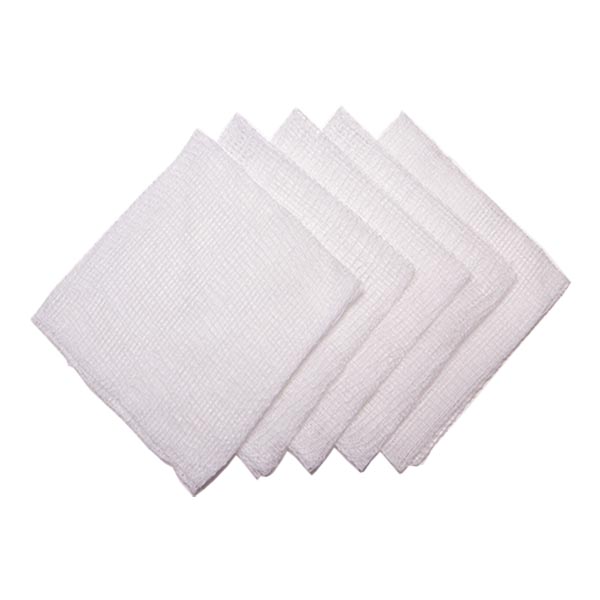
Gauze belakiak—often referred to as swabs or pads—are pre-cut squares of Gase mediku. They are staple items in treating wounds. Woven gauze sponges are typically 100% cotton and come in various "plies" or layers, such as 8-ply or 12-ply. The higher the ply, the more cushion and hustu the sponge offers. These are excellent for cleaning wounds because their texture helps lift debris away from the wound bed.
Non-woven sponges are increasingly popular because they offer superior absorbency and wicking. They create a soft, secure and comfortable barrier. Because they have a tighter structure, they are less likely to snag on sutures or staples. When choosing between Gauze belakiak, consider the amount of gozatu. For a heavy bleeder or a weeping wound, a thick belaki hau da Oso xurgatzailea is necessary to prevent the bendaje from becoming saturated too quickly, which could lead to maceration of the surrounding skin.
We offer high-quality KOTOIA Xurgatu Gauze Swab 6CMX9CM options that are ideal for general cleaning and absorption tasks in hospitals and clinics.
What makes impregnated gauze and xeroform suitable for specific wound types?
Sometimes, a plain dry belaki isn’t enough. This is where Gase xurgatua comes into play. These are Gauze janzkerak that have been saturated with a substance, such as petrolio gelatina, hidrogel, antiseptics, or other therapeutic agents. One of the most common types is Xeroform gauze, which is impregnated with 3% Bismuth Tribromophenate in a petrolatum blend. Xeroform is bacteriostatic and non-adherent, making it suitable for donor sites, lacerations, and burns where you want to prevent the bendaje zauriari itsatsita.
Gase xurgatua can be occlusive or semi-occlusive. An occlusive dressing seals the wound from air and fluids, retaining moisture. A moist environment is generally recognized to speed up re-epithelialization (skin growth). By keeping the zauritu moist, these dressings prevent the scab from adhering to the urtu, which ensures that removing the dressing doesn’t tear away newly formed tissue. This type of urtu is a specialized tool in Zaurien zainketa that offers benefits beyond simple absorption.
Why is gauze commonly used for packing wounds and treating deep tunneling wounds?
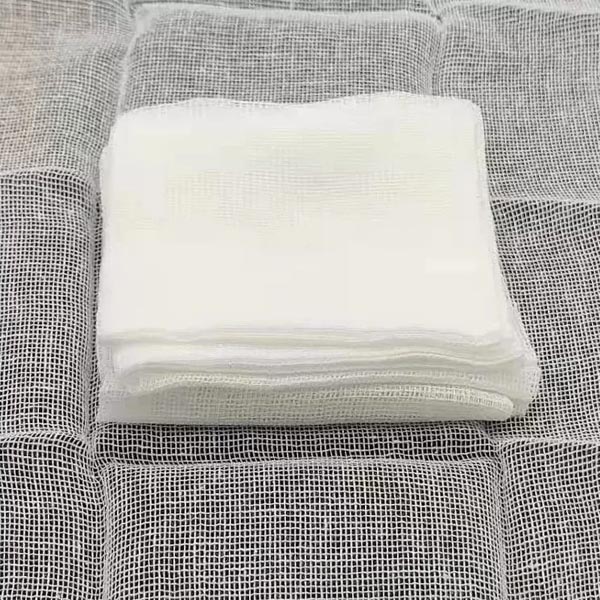
For deep, open wounds—such as those resulting from abscesses or complex surgeries—healing must happen from the bottom up. If the surface closes before the deeper tissue, it can trap bacteria and form a new abscess. Urtu da suitable for packing these empty spaces. This technique is often used for tunneling wounds or undermined tissue.
-A gauze in wound packing acts as a wick. It absorbs gozatu and bacteria from the bottom of the wound and pulls it upward into the secondary bendaje. Ehundutako gaza is often preferred here because its Open Weave allows for better mechanical debridement upon removal, although specific "packing strips" are also available. The key is to pack the zauritu loosely; packing it too tightly can cut off blood flow, which is counterproductive to the Sendatzeko prozesua. Proper wound packing ensures the cavity fills with healthy granulation tissue over time.
How do conforming gauze and bandage rolls secure dressings in place?
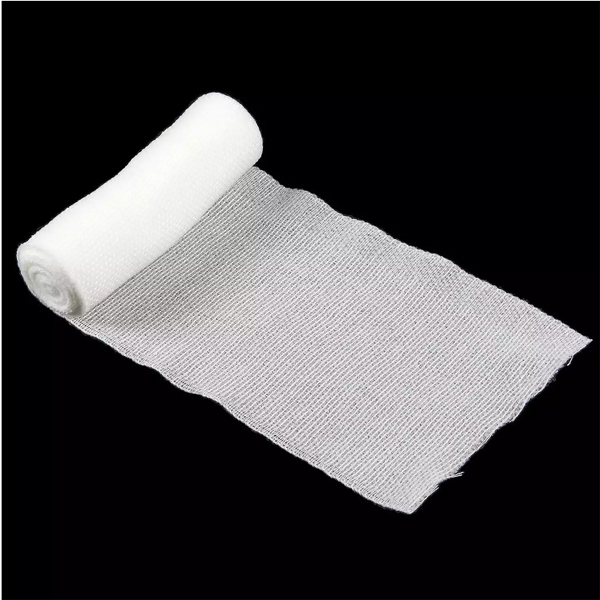
Behin behin Lehen janzkera (the one touching the wound) is applied, it needs to be held in position. This is the job of Gase konformatzea eta Benda Rolls. Unlike pads or sponges, these come in long rolls that are elastic and flexible. Conforming gauze stretches and contours to the shape of the body, making it perfect for difficult areas like knees, elbows, or heads.
Benda Rolls provide light compression, which can help control bleeding and reduce swelling. They protect the entire wound area and keep the Janzteko lekuan securely, even if the patient moves around. They are breathable, allowing the skin to remain clean and dry underneath. Whether you are using esteril rolls for a fresh surgical site or non-sterile rolls to hold a splint, the flexibility of the material ensures a secure and comfortable fit without restricting blood flow.
For reliable retention, check out our Mediku Gauze Bandage Roll 4cm * 500cm zauriak egiteko which provides excellent elasticity and breathability.
When is gauze used as a secondary dressing to support optimal healing?
In many Zaurien zainketa protocols, urtu acts as a Bigarren mailako janzkera. -A Lehen janzkera might be a specialized alginate, foam, or hydrocolloid placed directly on the zauritu. -A Bigarren mailako janzkera is placed on top to perform two functions: absorption and protection.
A bada Lehen janzkera absorbs fluid but cannot hold it all, a thick layer of Gauze belakiak or a purely vsorlente pad is placed over it to handle the overflow. This prevents the "strike-through" of fluids to the outside clothes or bedding. Gauze is commonly used as a secondary layer because it is cost-effective, breathable, and easily changeable. It adds bulk to kuxin handi the injury from accidental bumps. Using a Gauze janztea in this layered approach allows the osasun-zentro to manage gozatu levels effectively without disturbing the healing bed too frequently.
Gure Gauze xurgatzaile antzua products are specifically designed to function as high-performance secondary layers.
How do absorbency and wicking capabilities affect the choice of gauze dressings?
Hustu is perhaps the most critical factor when selecting a urtu. A wound producing heavy gozatu a bendaje with high fluid retention capacity. If the urtu becomes saturated too quickly, bacteria can travel through the wet material to the wound (wicking in reverse), or the moisture can damage the surrounding healthy skin.
Cotton fibers naturally absorb liquid, but modern manufacturing has enhanced this. Ehundutako gasa ez, often made with rayon ala poliester blends, generally offers higher xurgatze per gram of weight compared to traditional woven material. "Wicking" refers to the ability to pull moisture away from the source. Good wicking properties keep the wound surface relatively dry, preventing maceration. When you find the right balance of absorbency and wicking, you reduce the frequency of dressing changes, which is better for the gaixoa comfort and reduces labor costs for the facility.
How to find the right gauze shapes and sizes for effective wound care needs?
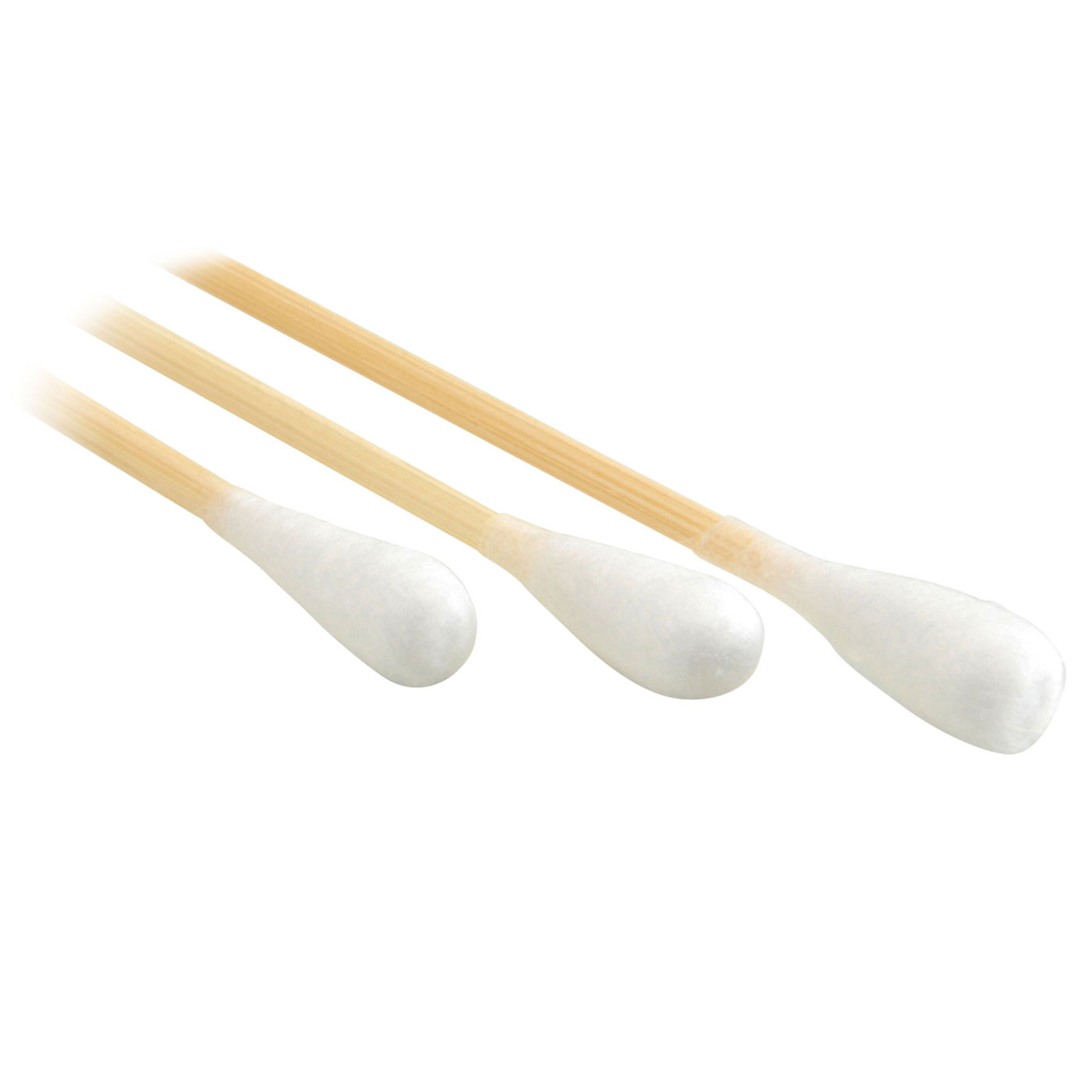
Gase mediku aurrealdi come in a variety -ren Formak eta tamainak to accommodate the diverse nature of human injuries. From tiny 2×2 inch sponges for dental procedures or IV sites to large lap sponges used in abdominal surgery, size matters. Using a piece of gauze that is too small requires overlapping, which can be insecure. Using one that is too large wastes material and money.
Gainera, Gauze mota desberdinak are available in specialized forms, such as "slits" for fitting around tubes (drain sponges) or cotton-filled pads for extra kuxin handi. Manufacturers like us offer a range of gauze products to ensure that whether you are treating a small finger cut or a large burn, you have the right gauze for the job. It is important to assess the wound care needs of your facility and stock Hainbat motatakoak to handle any situation that arises.
Reliable supplies are crucial. Explore our Medical Cotton Gauze Bandage Roll First Aid Bandages 100% cotton for versatile sizing options suitable for first aid and clinic use.
Takeaways gakoak
- Understand the Weave: Ehundutako gaza (open weave) is best for debridement and packing; ehundutako gasa ez (pressed fibers) is softer, stronger, and produces less lint.
- Sterility Matters: Beti bait erabili antzua gauze for open wounds to prevent infection. Ez antzua gauze is fine for cleaning equipment or secondary layers.
- Layering is Key: Urtu can function as a Lehen janzkera (contact) or a Bigarren mailako janzkera (absorption/protection).
- Specialized Options: Gase xurgatua (Atsegin xeroform) creates an occlusive or moist environment, while Gase konformatzea laguntzen du seguru everything.
- Xurgapena: Bat etorri hustu de belaki to gozatu level of the zauritu to prevent maceration and infection.
- Aldakortasuna: From packing wounds to acting as a kuxin handi, Gase mediku is an indispensable tool in Zaurien Kudeaketa.
As a trusted partner in the medical industry, Huai’an ZhongXing Medical Technology Co., Ltd. is committed to providing high-quality, compliant, and diverse urtu solutions. We understand that for professionals like you, quality isn’t just a checkbox—it’s a patient safety promise.
Post time: Jan-29-2026